📖 Lesson: What Is Speed?
Learn how to measure and calculate speed, distance, and time
🎴 Study Flashcards
Click on each card to reveal the answer
🎮 Interactive Games
Test your knowledge and practice calculations
📝 Speed in Physics: Definition, Formula, Units and Examples
What is speed in science?
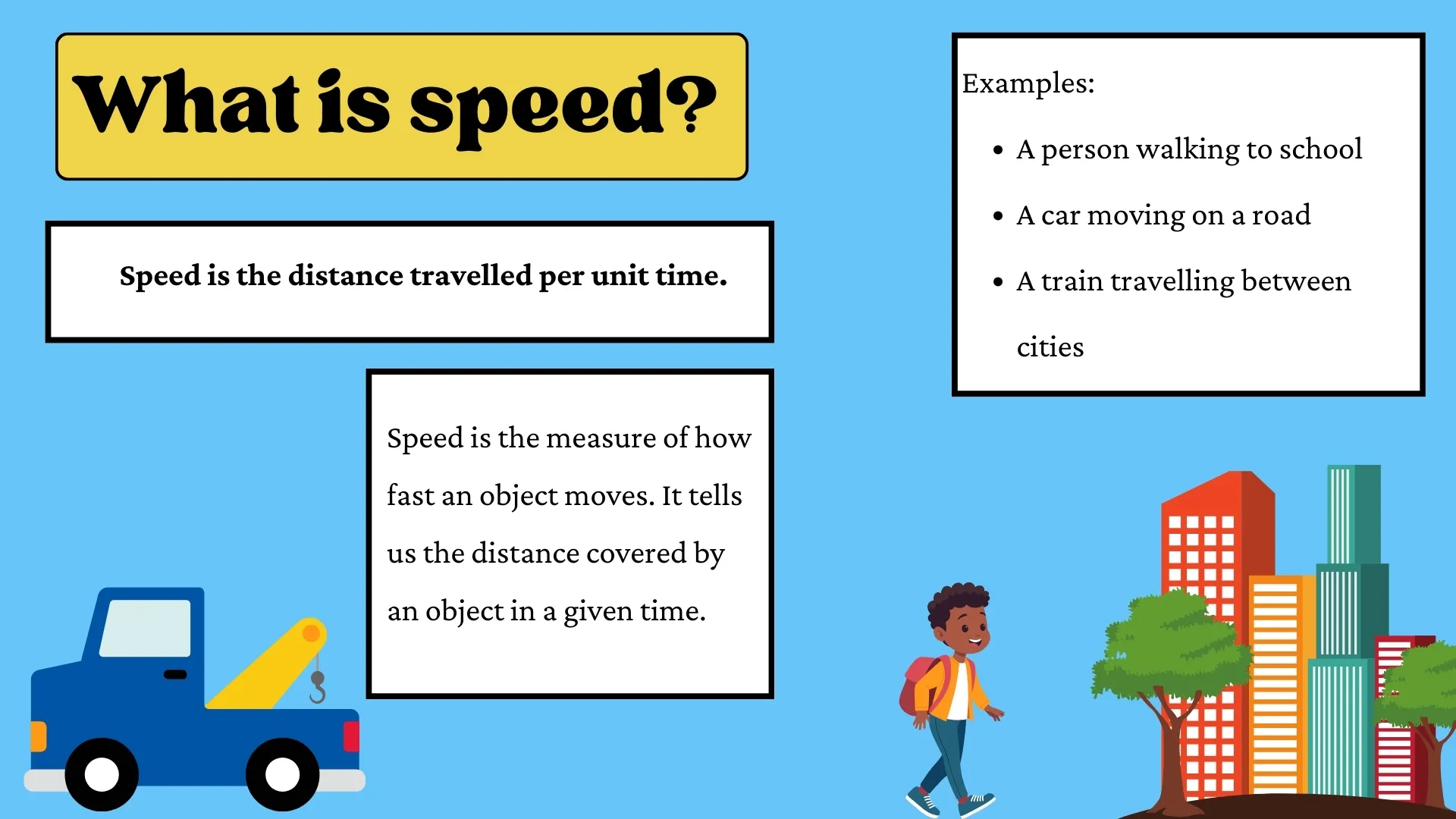
Speed is how much distance an object travels in a given amount of time. Put formally, the definition of speed in physics is the distance travelled divided by the time taken to travel it. If two buses leave the same stop and drive to the same town, and one arrives first, that bus was travelling at the greater speed: it covered the same distance in less time.
Speed is a scalar quantity. A scalar has a size — a number together with a unit — but no direction attached to it. A car travelling at 20 m/s is travelling at 20 m/s whether it is heading north, heading south, or going round a roundabout. That single detail is what separates speed from velocity, and it is the difference examiners ask about most often.
What is the formula for speed?
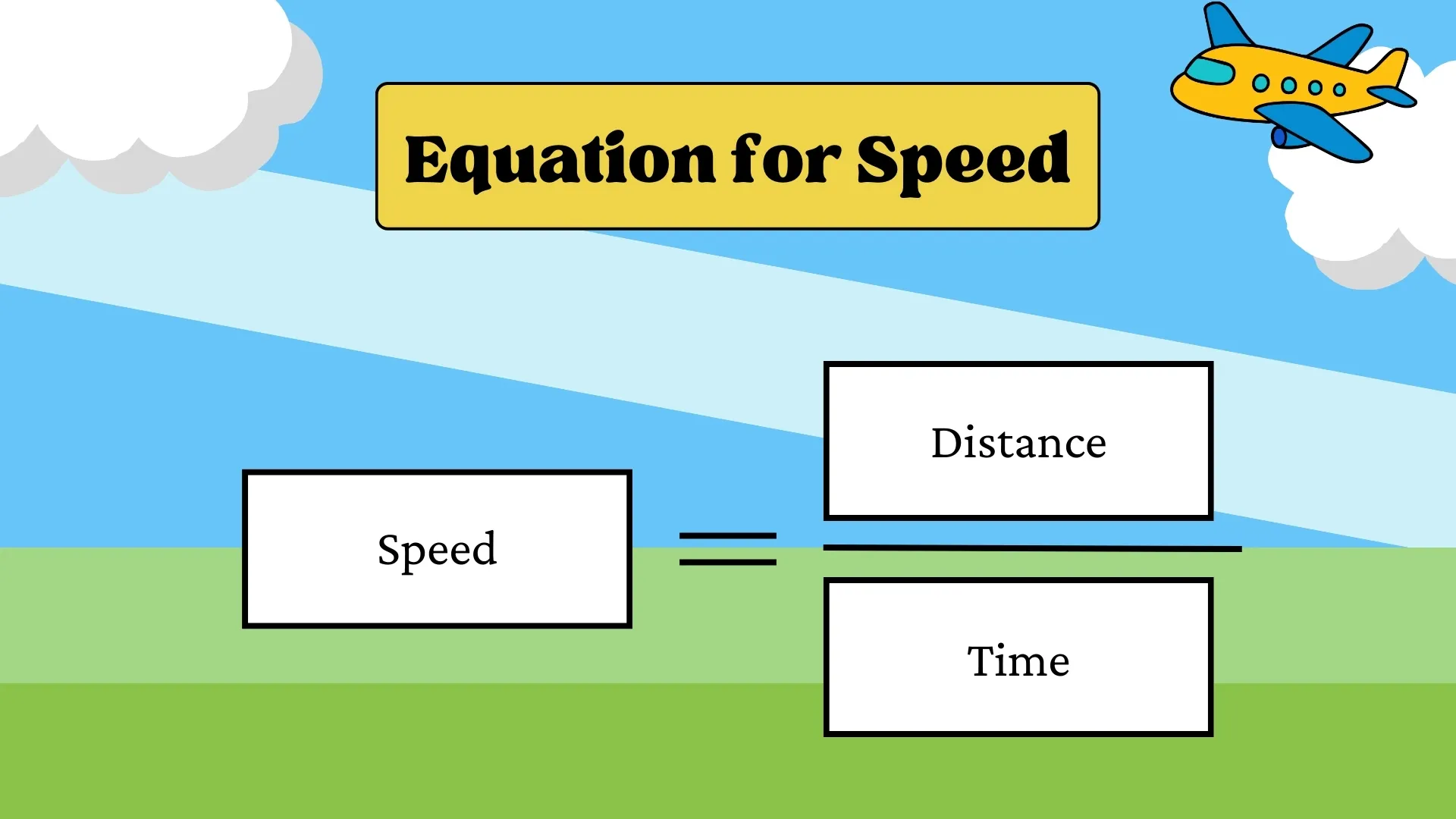
The speed formula in physics is written like this:
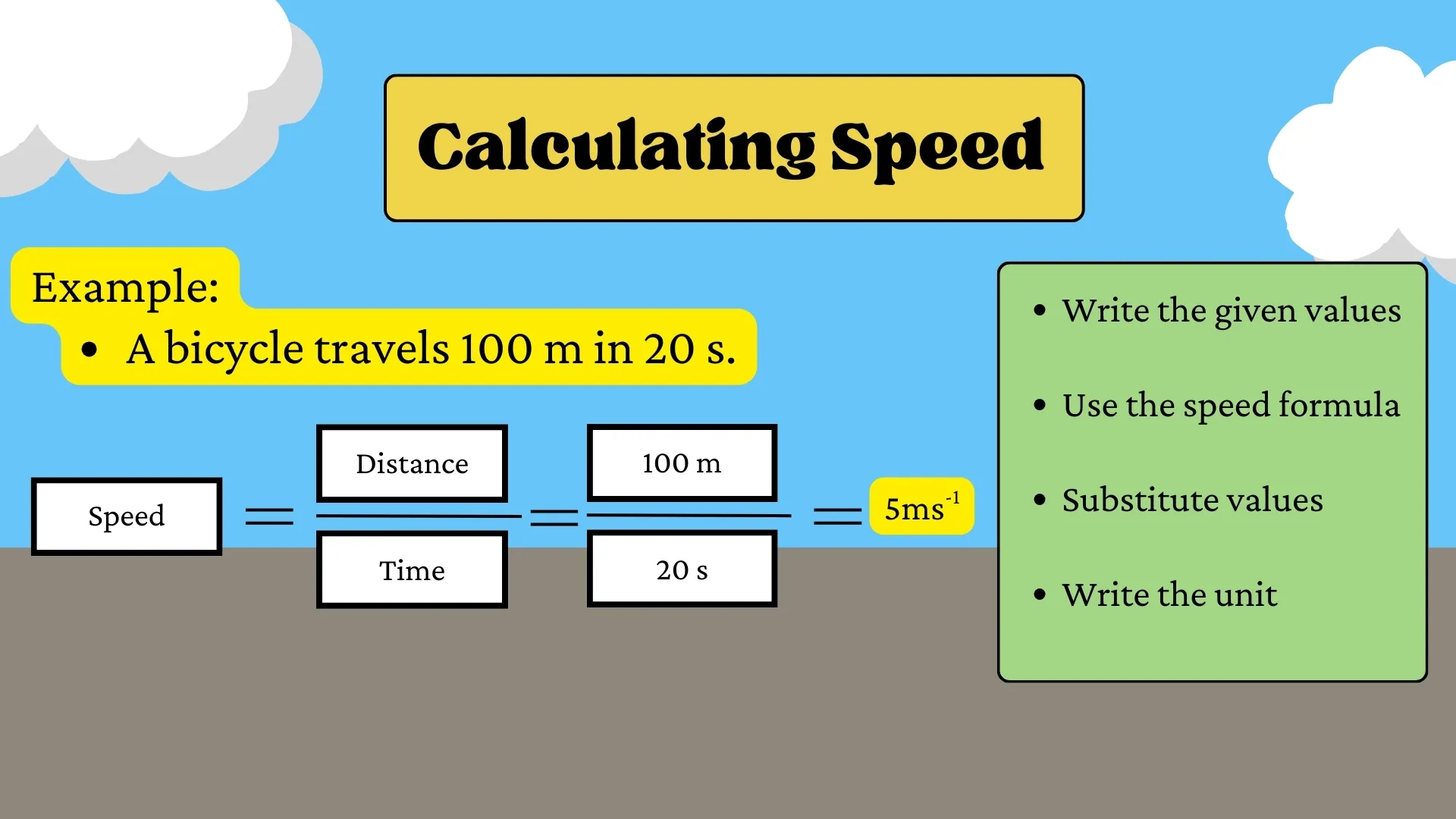
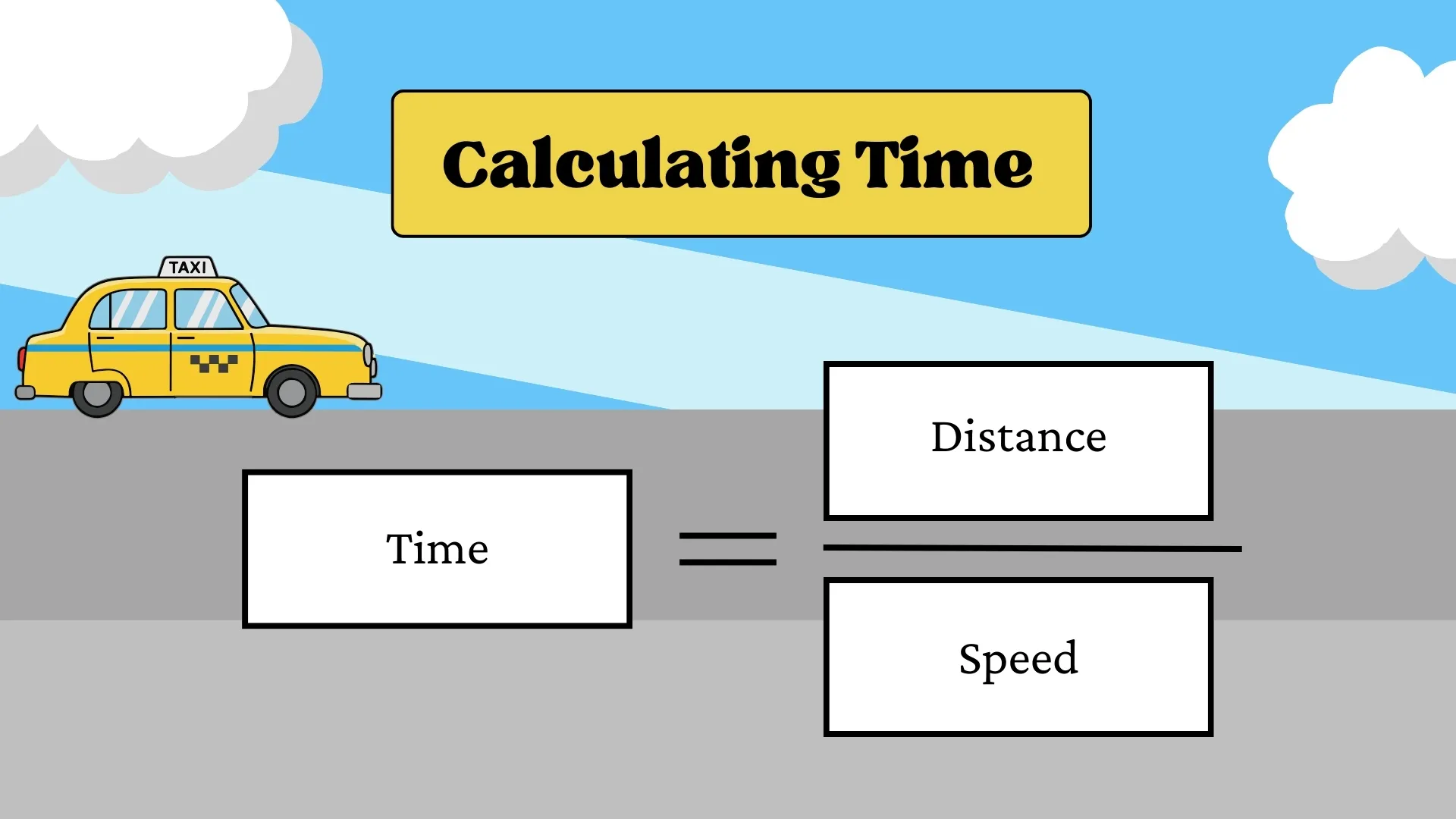
speed = distance ÷ time or v = d ÷ t
Here v stands for speed, d for the distance travelled and t for the time taken. The same relationship can be rearranged two other ways, and you need all three:
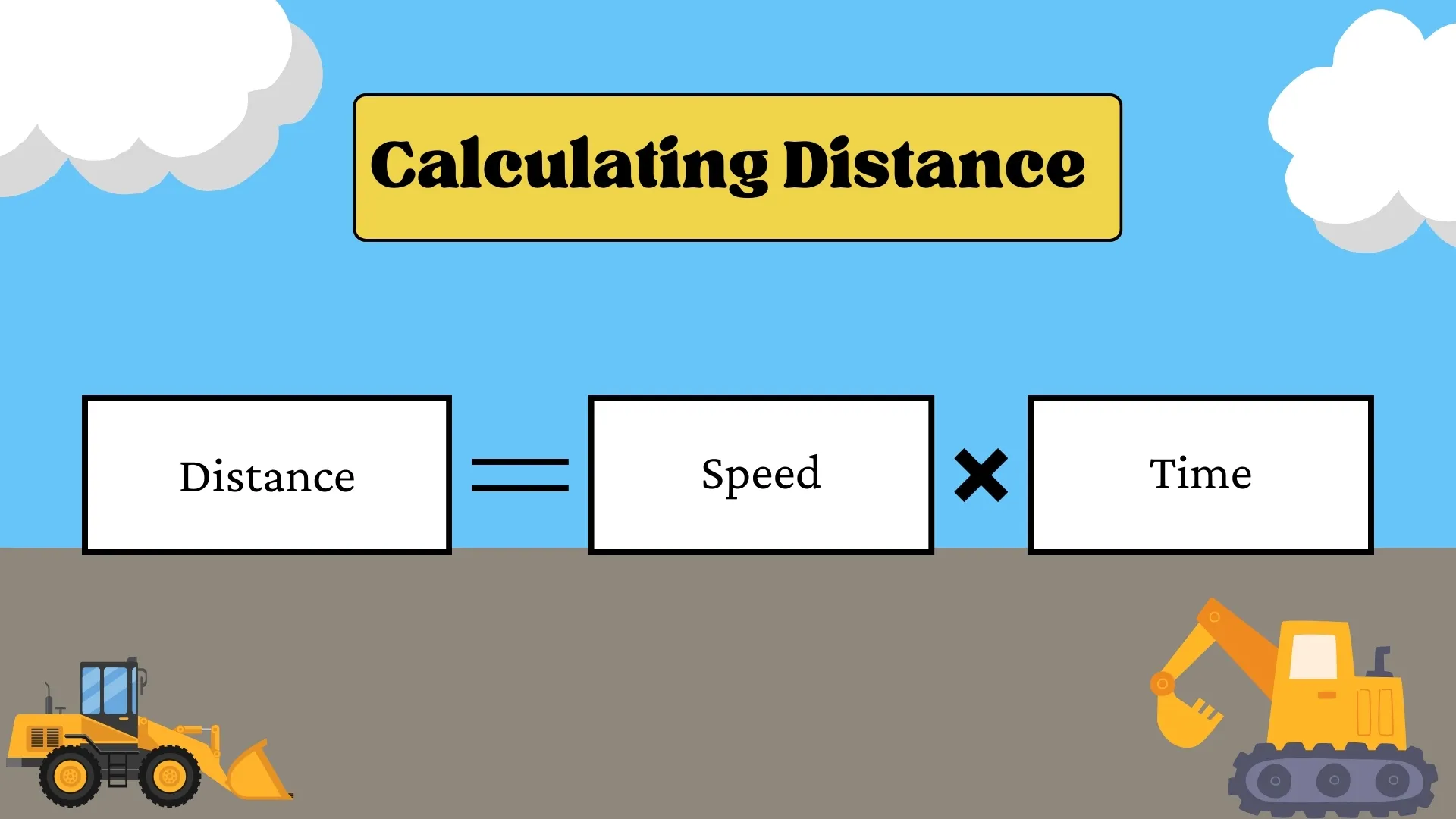
- distance = speed × time — use this when you know how fast something is going and for how long, and you want to know how far it got.
- time = distance ÷ speed — use this when you know how far and how fast, and you want to know how long the journey takes.
- speed = distance ÷ time — the original, for when you know how far something went and how long it took.
Many students remember these with a formula triangle: distance on the top, speed and time side by side underneath. Cover the quantity you want, and what is left shows you whether to divide or multiply.
What is the unit for speed in physics?
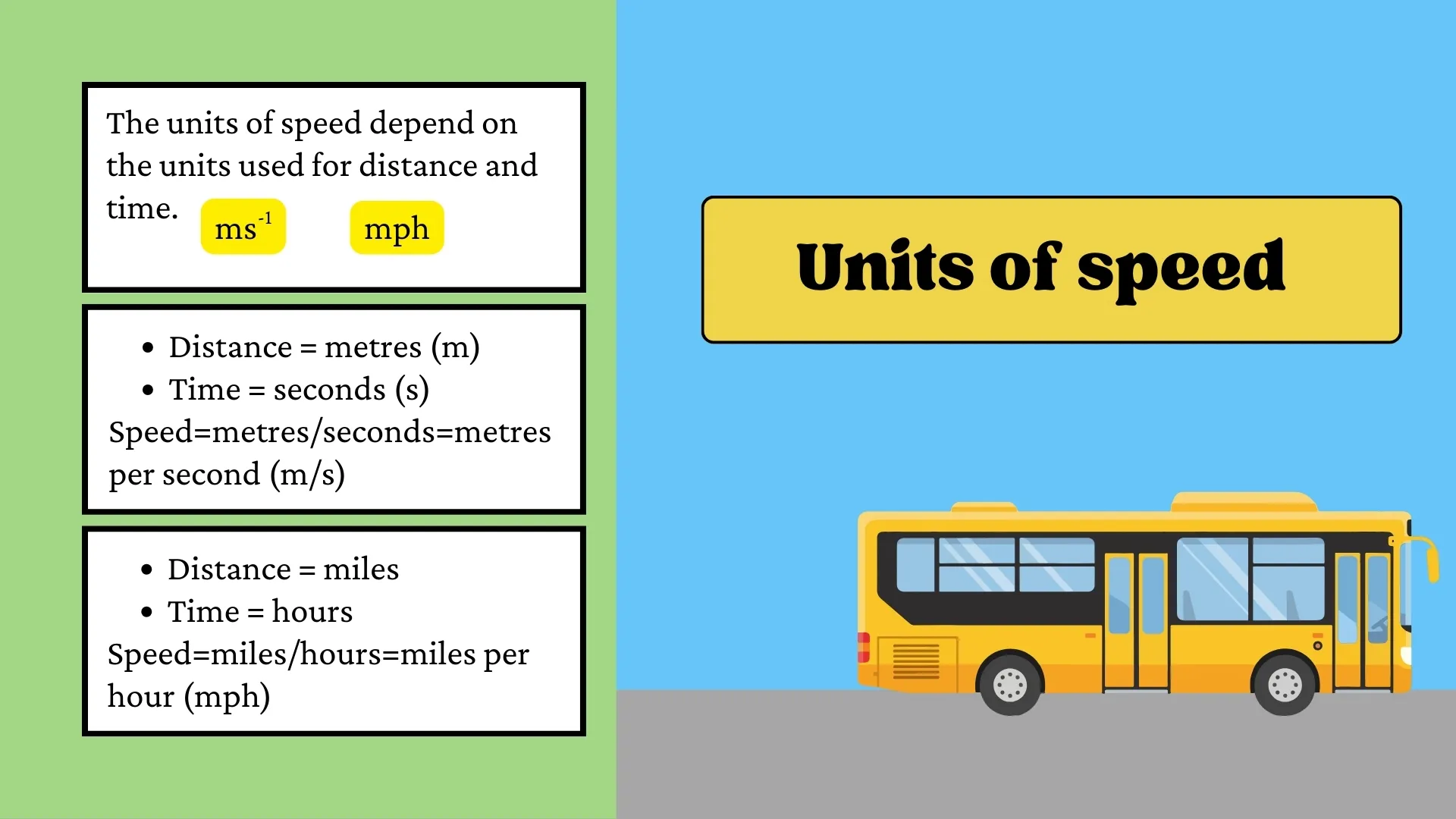
The SI unit of speed is the metre per second, written m/s and sometimes printed as m s⁻¹. It follows directly from the formula: a distance in metres divided by a time in seconds gives metres per second. Because the metre and the second are both SI base units, m/s is the unit physicists use by default.
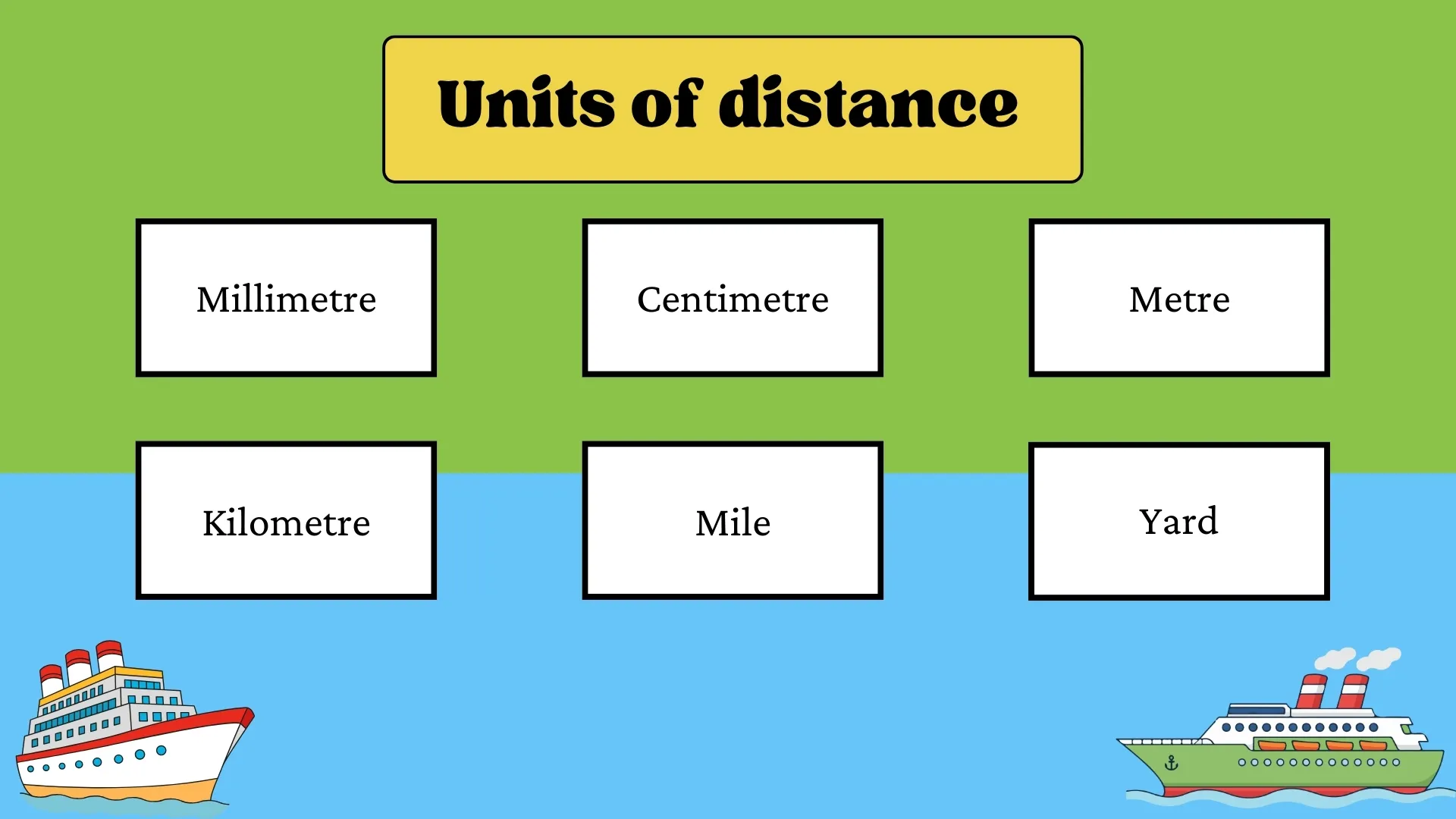
Speed is also measured in other units in everyday life — kilometres per hour (km/h) on European road signs, miles per hour (mph) on British and American ones, and centimetres per second (cm/s) for slow-moving objects in the lab. The golden rule is that the units you put into the formula decide the unit that comes out. Kilometres divided by hours gives km/h; metres divided by seconds gives m/s.
To convert between the two most common units, remember that 1 kilometre is 1000 metres and 1 hour is 3600 seconds, and 1000 ÷ 3600 comes to 1 ÷ 3.6. So divide by 3.6 to change km/h into m/s, and multiply by 3.6 to change m/s into km/h. A car doing 72 km/h is doing 72 ÷ 3.6 = 20 m/s.
Worked examples
Example 1 — finding speed. A cyclist travels 120 metres in 15 seconds. Speed = distance ÷ time = 120 ÷ 15 = 8 m/s.
Example 2 — finding distance. A runner keeps a steady speed of 6 m/s for 45 seconds. Distance = speed × time = 6 × 45 = 270 m.
Example 3 — finding time. A train travels 450 metres along a platform at 15 m/s. Time = distance ÷ speed = 450 ÷ 15 = 30 s.
Example 4 — changing the units first. A car covers 90 kilometres in 1.5 hours. In km/h the speed is 90 ÷ 1.5 = 60 km/h. To give the answer in the SI unit, divide by 3.6: 60 ÷ 3.6 = 16.7 m/s to one decimal place. Notice that the journey is the same either way — only the unit changed.
Average speed and instantaneous speed
Almost nothing moves at exactly one speed for a whole journey. Cars stop at lights, runners tire, and cyclists slow down on hills. Physics handles this with two different ideas.
Average speed is the total distance travelled divided by the total time taken, including any time spent stopped. It smooths the whole journey into a single number.
average speed = total distance ÷ total time
Instantaneous speed is the speed at one particular moment — the number the speedometer shows as you glance at it. A car can have an instantaneous speed of 30 m/s on the motorway and an average speed of only 12 m/s for the trip, because of the queueing at each end.
Worked example. A walker covers 60 m in 10 s, rests for 20 s, then covers another 90 m in 30 s. The total distance is 60 + 90 = 150 m and the total time is 10 + 20 + 30 = 60 s, so the average speed is 150 ÷ 60 = 2.5 m/s. That is lower than either of the two walking stretches, because the rest counts as part of the time.
Speed and velocity: what is the difference?
Speed is a scalar; velocity is a vector. Velocity is the rate of change of displacement, which means it records both how fast an object is moving and the direction it is moving in. "12 m/s" is a speed. "12 m/s due east" is a velocity.
The clearest way to see why this matters is a lap of a running track. A runner completes one lap of a 400 m track in 50 seconds. Her average speed is 400 ÷ 50 = 8 m/s, because she genuinely travelled 400 metres. But she finished exactly where she started, so her displacement — her straight-line change of position — is zero, and her average velocity for the lap is 0 m/s. The speed and the velocity are different numbers describing the same run.
A consequence worth remembering: an object can move at a constant speed while its velocity changes. A car going round a bend at a steady 15 m/s has a constant speed, but its direction is changing every moment, so its velocity is changing, and a changing velocity means the car is accelerating.
Reading speed from a distance-time graph
A distance-time graph plots distance on the vertical axis against time on the horizontal axis, and the gradient of the line is the speed — it is rise over run, which is distance over time, which is the speed formula drawn as a picture.
- A horizontal line means the distance is not changing, so the object is stationary.
- A straight sloping line means the object is moving at a constant speed.
- A steeper line means a greater speed, because more distance is covered in the same time.
- A curve that gets steeper means the speed is increasing — the object is accelerating.
Some speeds worth comparing
Numbers mean more when you have something to measure them against. An adult walks at roughly 1.4 m/s. Usain Bolt's world record of 9.58 seconds for 100 m works out at an average speed of about 10.4 m/s, and his instantaneous speed in the middle of the race was higher still. A cheetah at full sprint reaches roughly 29 m/s, about 104 km/h. Sound travels through dry air at about 343 m/s at 20 °C. And light in a vacuum travels at 299,792,458 m/s — close to 300 million metres every second, the fastest speed anything in the universe can have.
Key speed terms
- Speed
- The distance an object travels divided by the time taken. A scalar quantity, measured in metres per second (m/s).
- Distance
- How much ground an object has covered, whatever path it took. Measured in metres (m).
- Time
- How long the motion lasted. Measured in seconds (s).
- Scalar
- A quantity with size but no direction, such as speed, distance, mass or time.
- Vector
- A quantity with both size and direction, such as velocity, displacement or force.
- Velocity
- Speed in a stated direction; the rate of change of displacement. A vector, also measured in m/s.
- Displacement
- The straight-line distance and direction from an object's starting point to its finishing point.
- Average speed
- Total distance divided by total time for a whole journey, including any pauses.
- Instantaneous speed
- The speed of an object at one particular moment, such as the reading on a speedometer.
- Acceleration
- The rate at which velocity changes. An object speeding up, slowing down or changing direction is accelerating.