📖 Lesson: Pathogens & Diseases
Explore the world of microorganisms and learn how pathogens cause diseases
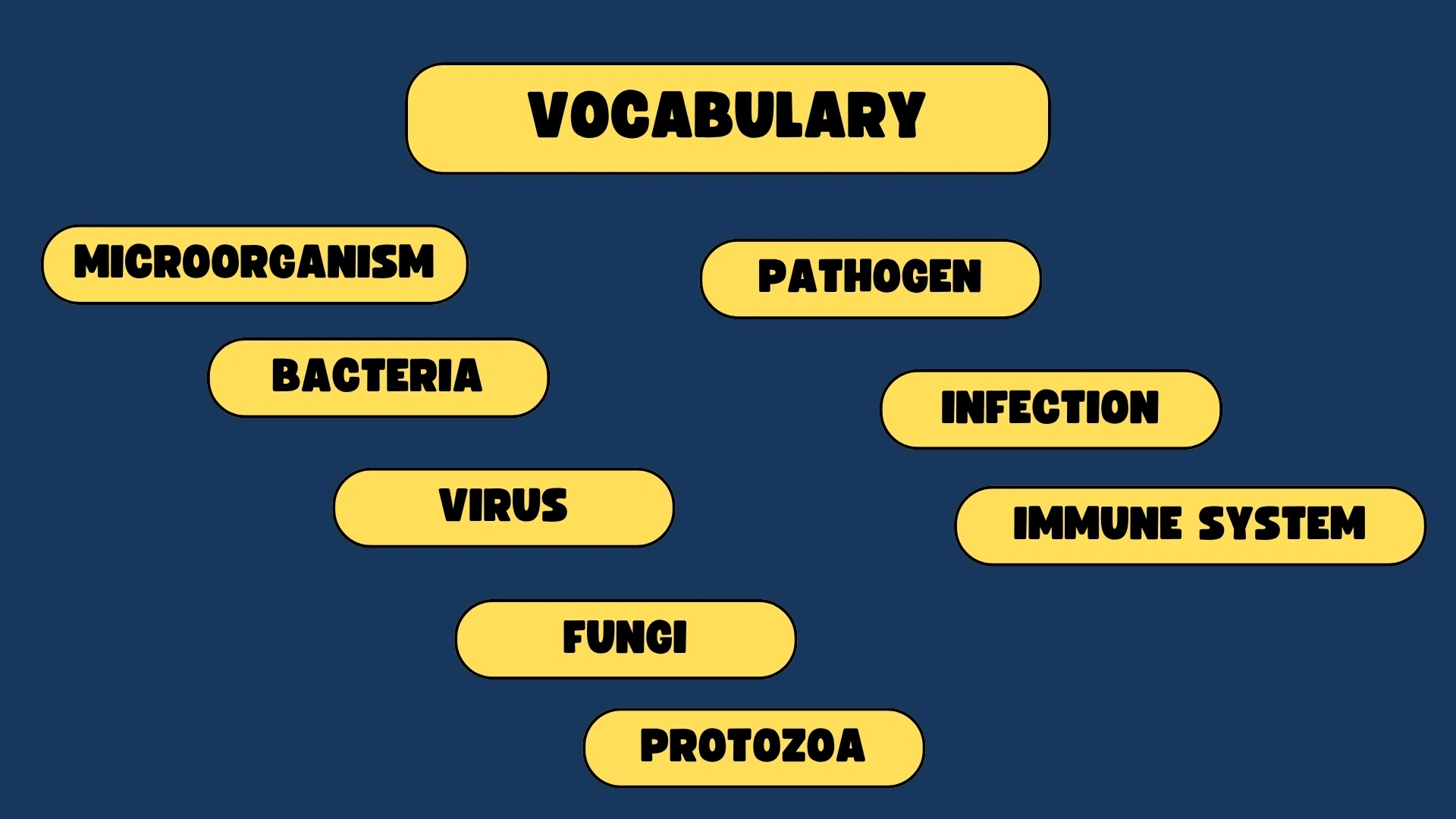
🗂️ Vocabulary Flashcards
Click each card to flip and reveal the definition of key terms
🎮 Games: Test Your Knowledge
Play interactive games to reinforce what you've learned about pathogens
🦠 Pathogens and Diseases Explained
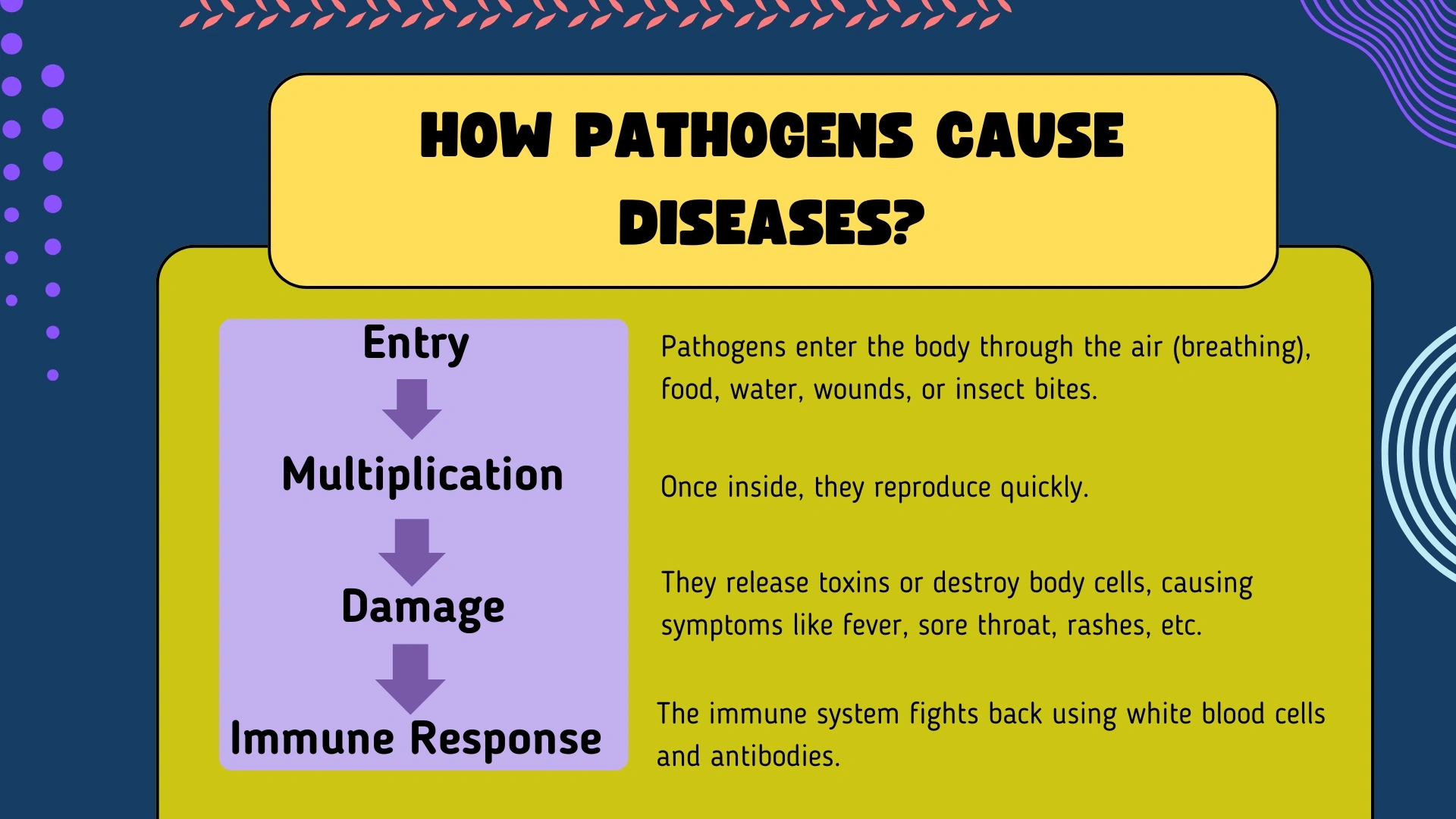
How do pathogens cause disease?
Pathogens cause disease by entering the body, multiplying inside it, and then damaging it in one of two ways: either by releasing poisons called toxins that interfere with how your cells work, or by destroying cells directly as they feed or reproduce. Bacteria mostly do the first. Viruses do the second. Either way, that damage — together with your own body's reaction to the invader — is what you experience as the symptoms of illness: fever, aching, a sore throat, a rash or an upset stomach.
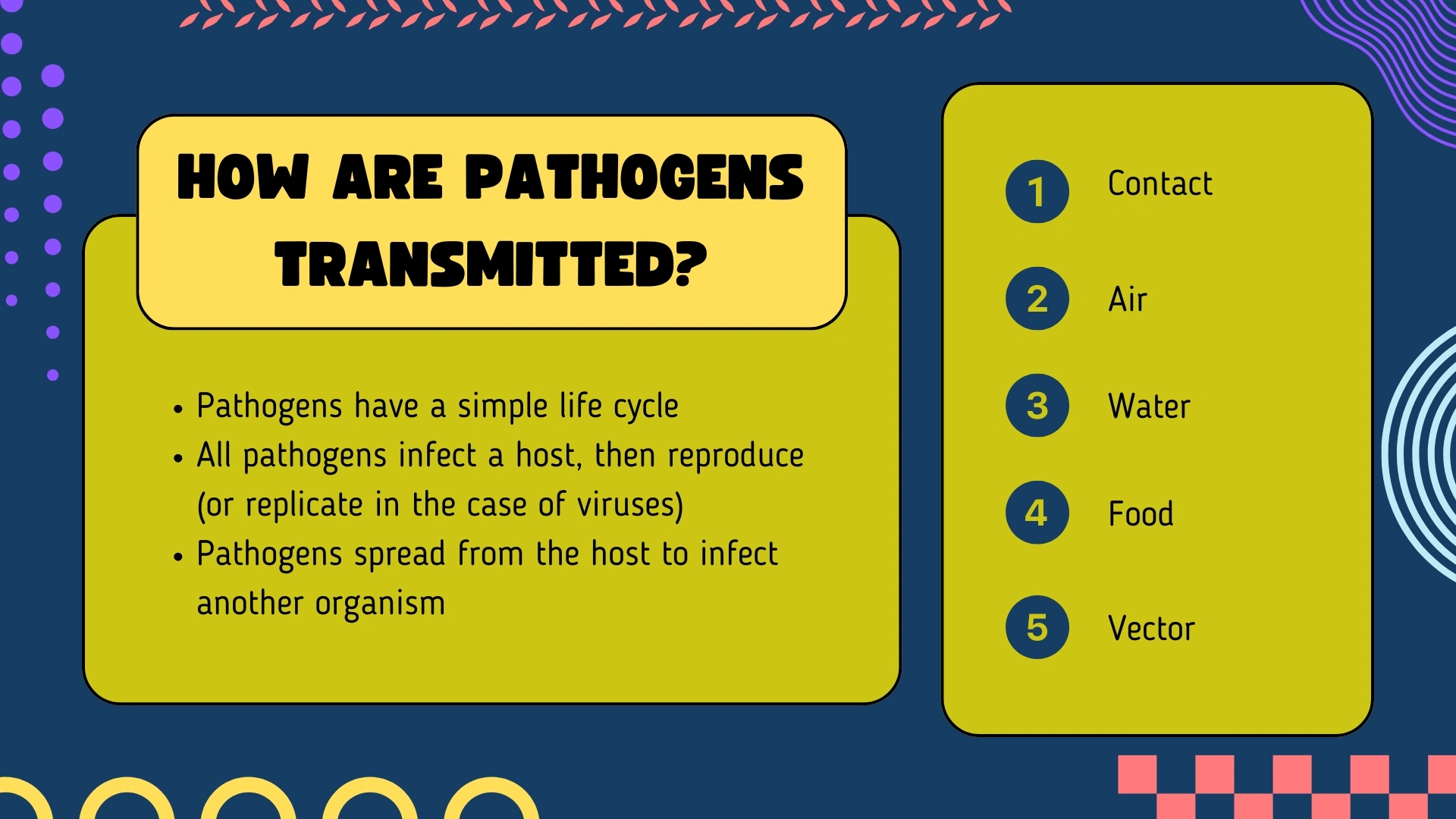
The sequence is much the same for almost every infectious disease, and it has four steps. First the pathogen enters, through a cut in the skin or through the mouth, nose or eyes. Second it attaches and multiplies, often doubling in number many times over before anything at all is noticed; this quiet stage is called the incubation period, and it is why you can pass on an infection before you feel unwell. Third it damages tissue, by toxins or by killing cells. Fourth it is transmitted onward to a new host — through coughs and sneezes, touch, or contaminated food and water.
What is a pathogen?
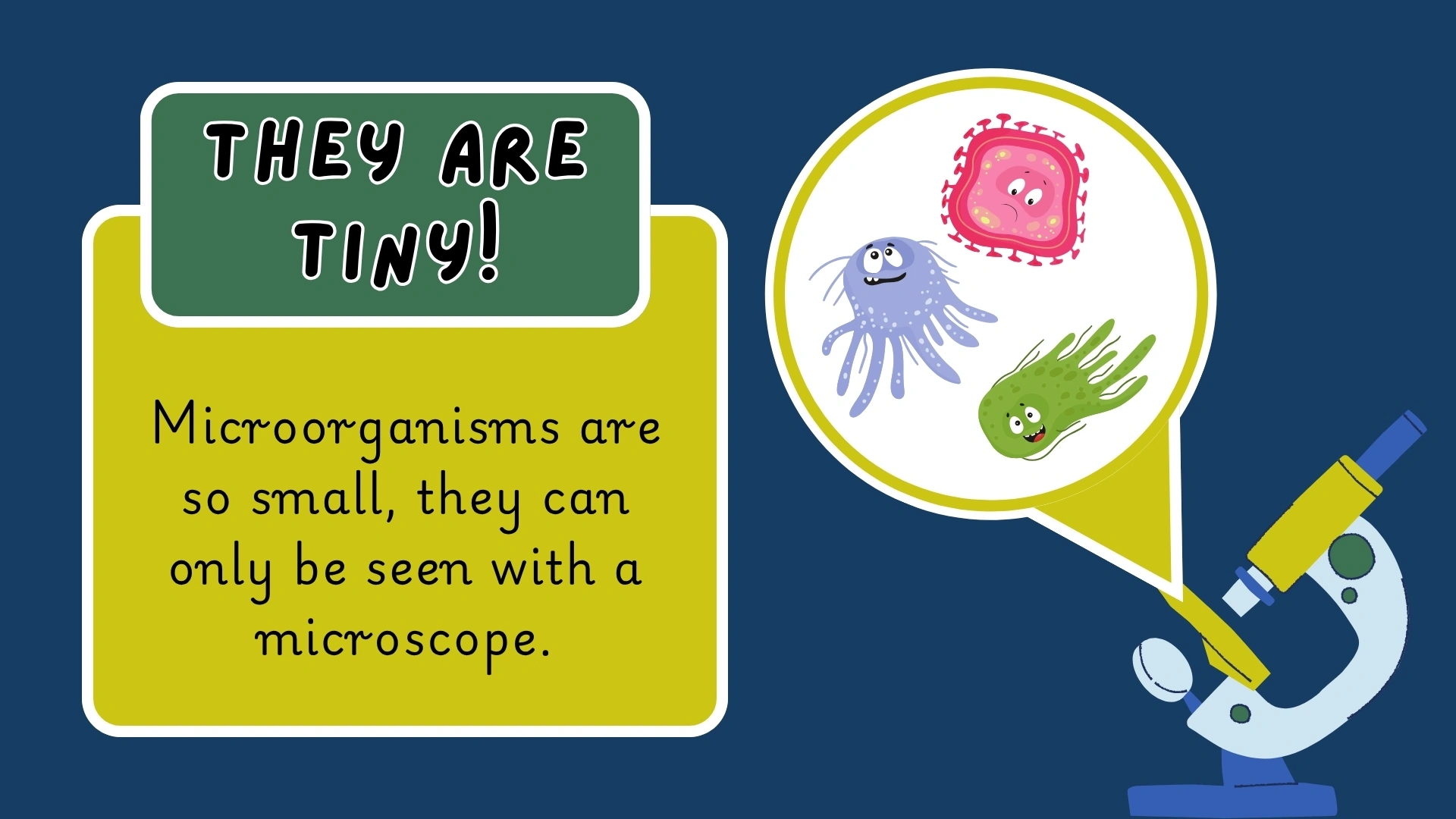
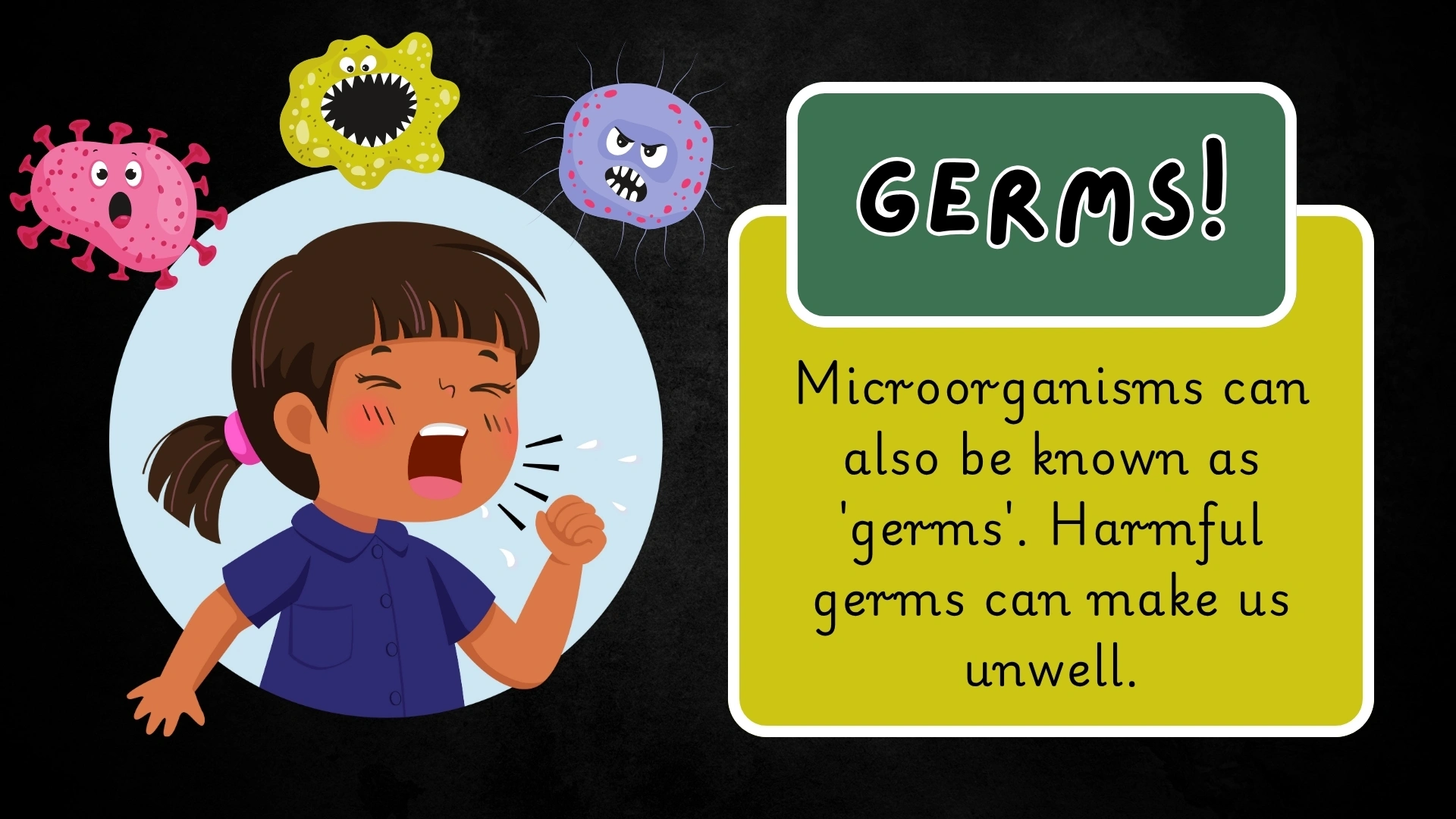
A pathogen is any organism or infectious particle that causes disease in the living thing it infects, which biologists call the host. Nearly all pathogens are microorganisms — living things too small to see without a microscope — which is why they are also described as disease-causing organisms.
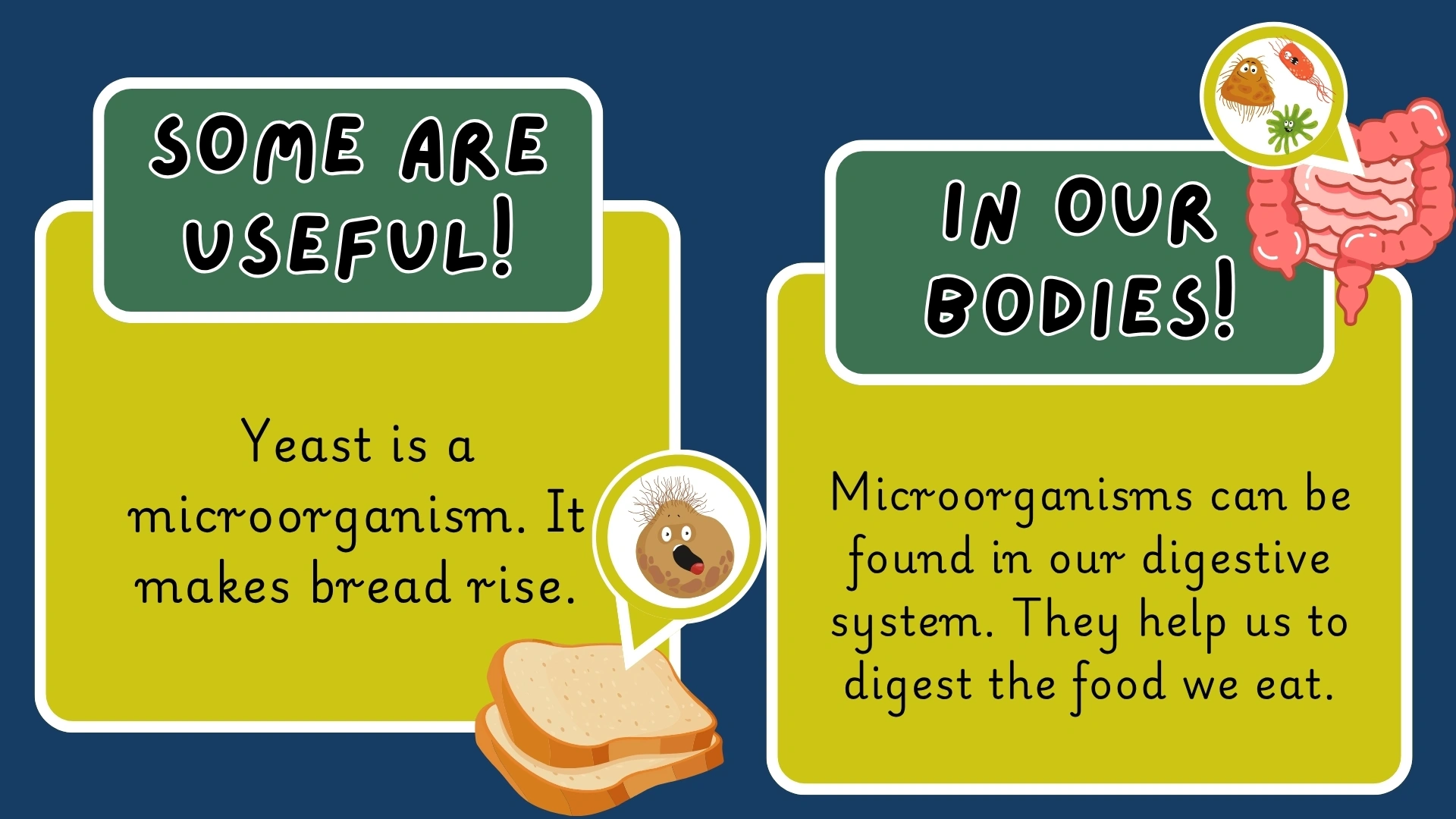
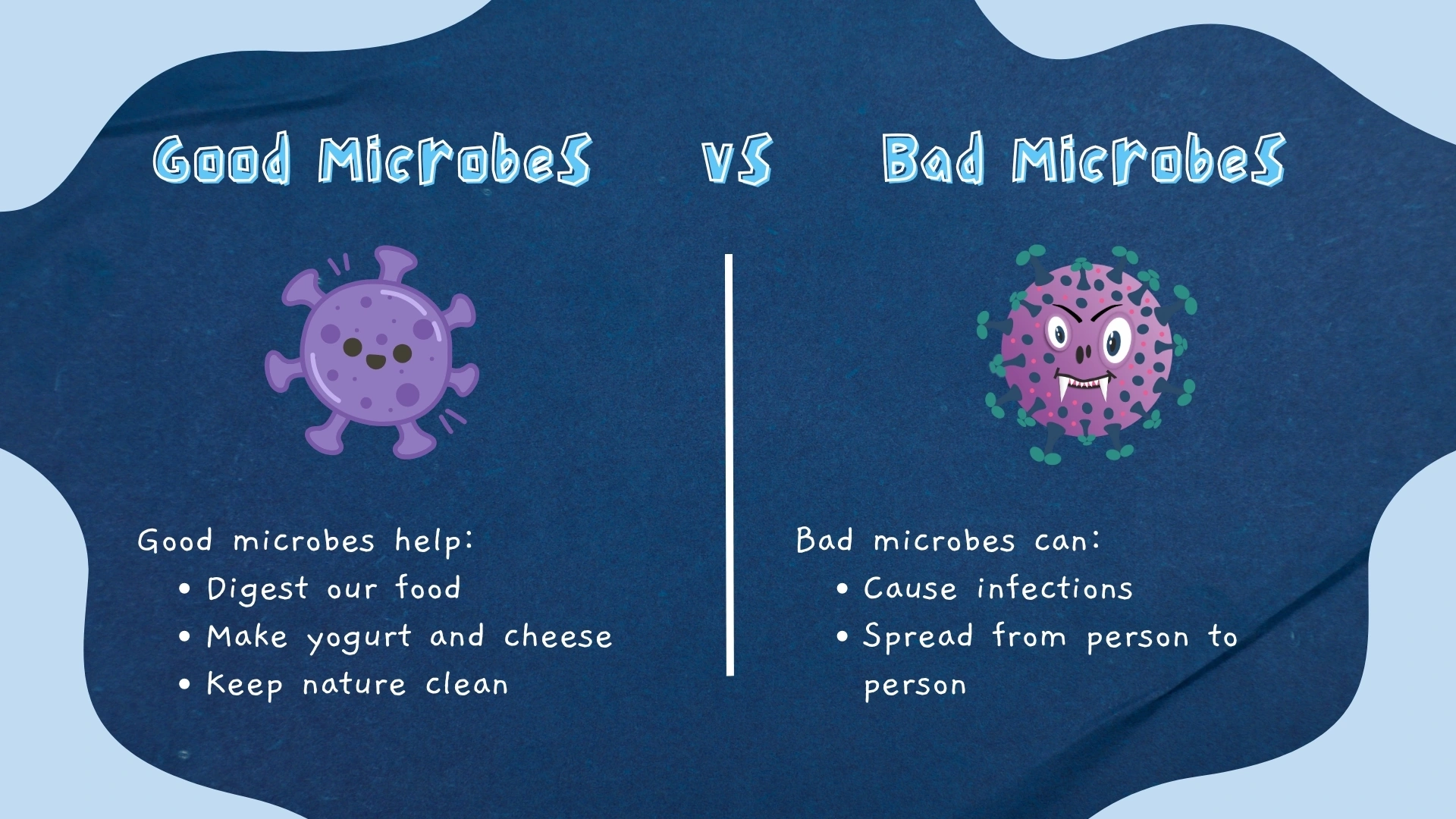
Only a tiny minority of microorganisms are pathogens. Most are harmless and many are essential: bacteria in your intestines help you digest food, other bacteria make yoghurt and cheese, yeast makes bread rise, and the first antibiotic, penicillin, came from a mould.
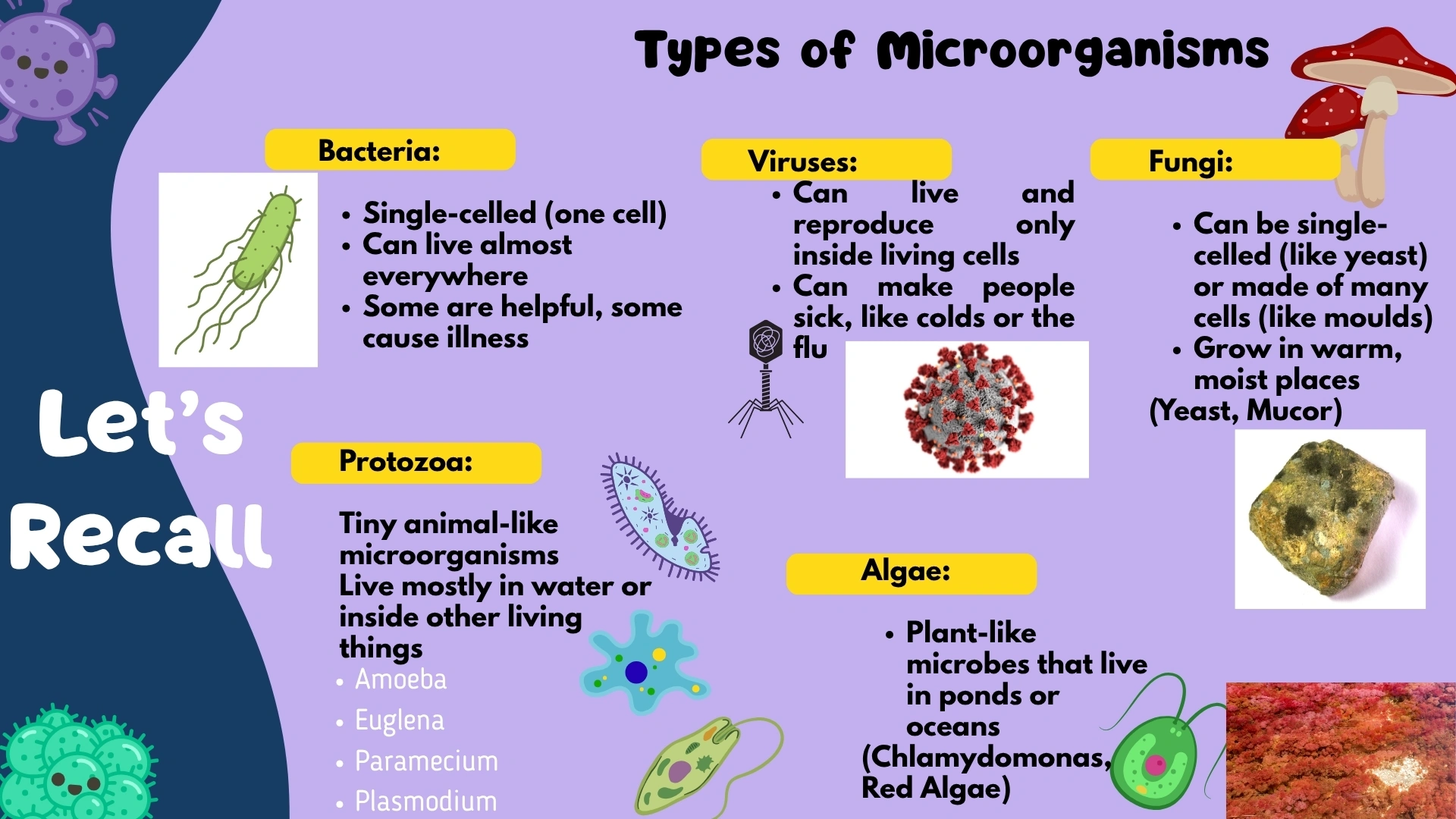
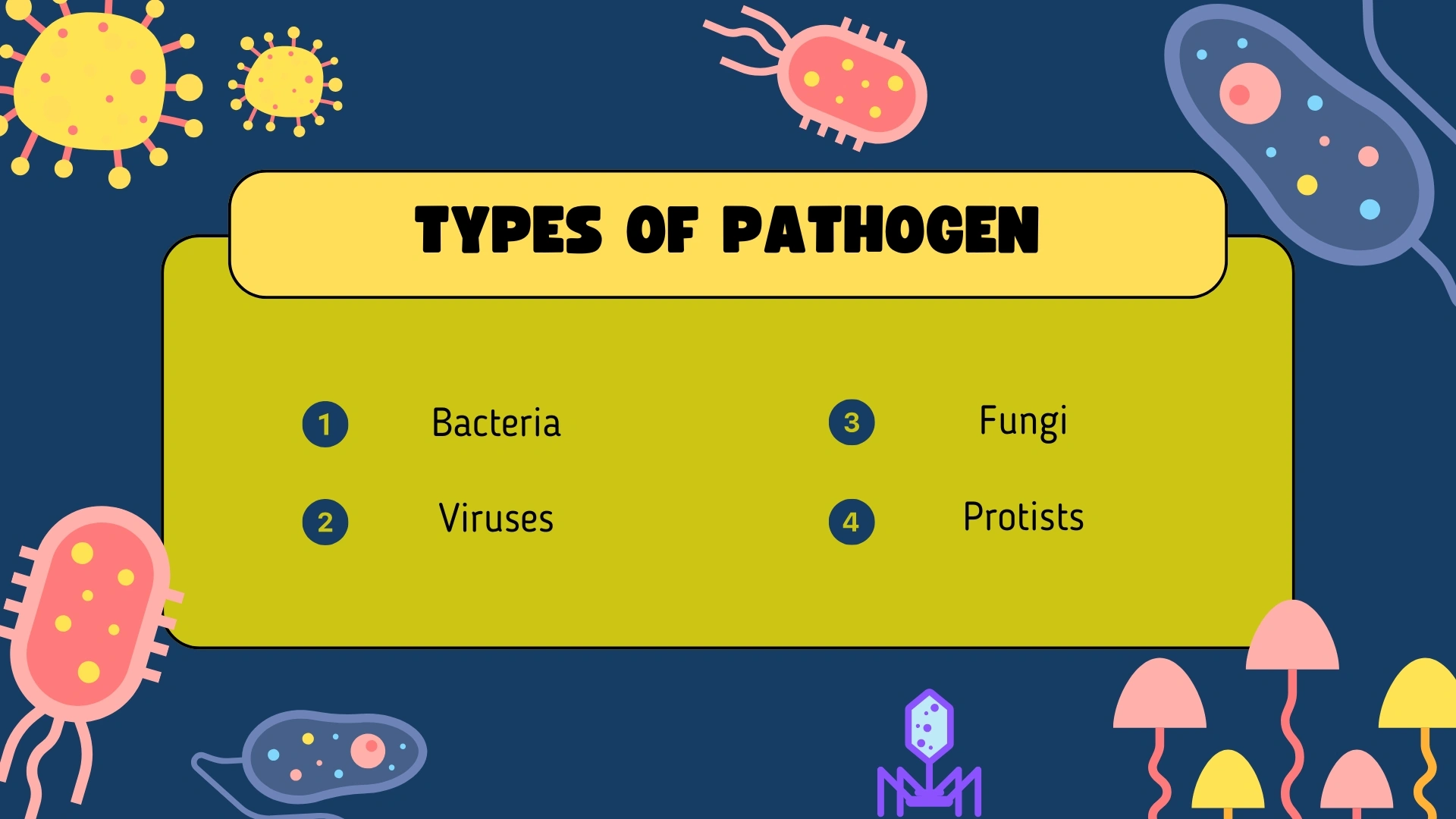
Diseases caused by pathogens are called infectious or communicable diseases, because they can be passed from one host to another. That sets them apart from non-communicable conditions such as asthma or scurvy, which you cannot catch. There are four kinds of pathogen to know — bacteria, viruses, fungi and protists. Bacteria, fungi and protists are living cells. Viruses are not cells at all.
1. Bacteria: single-celled organisms that release toxins
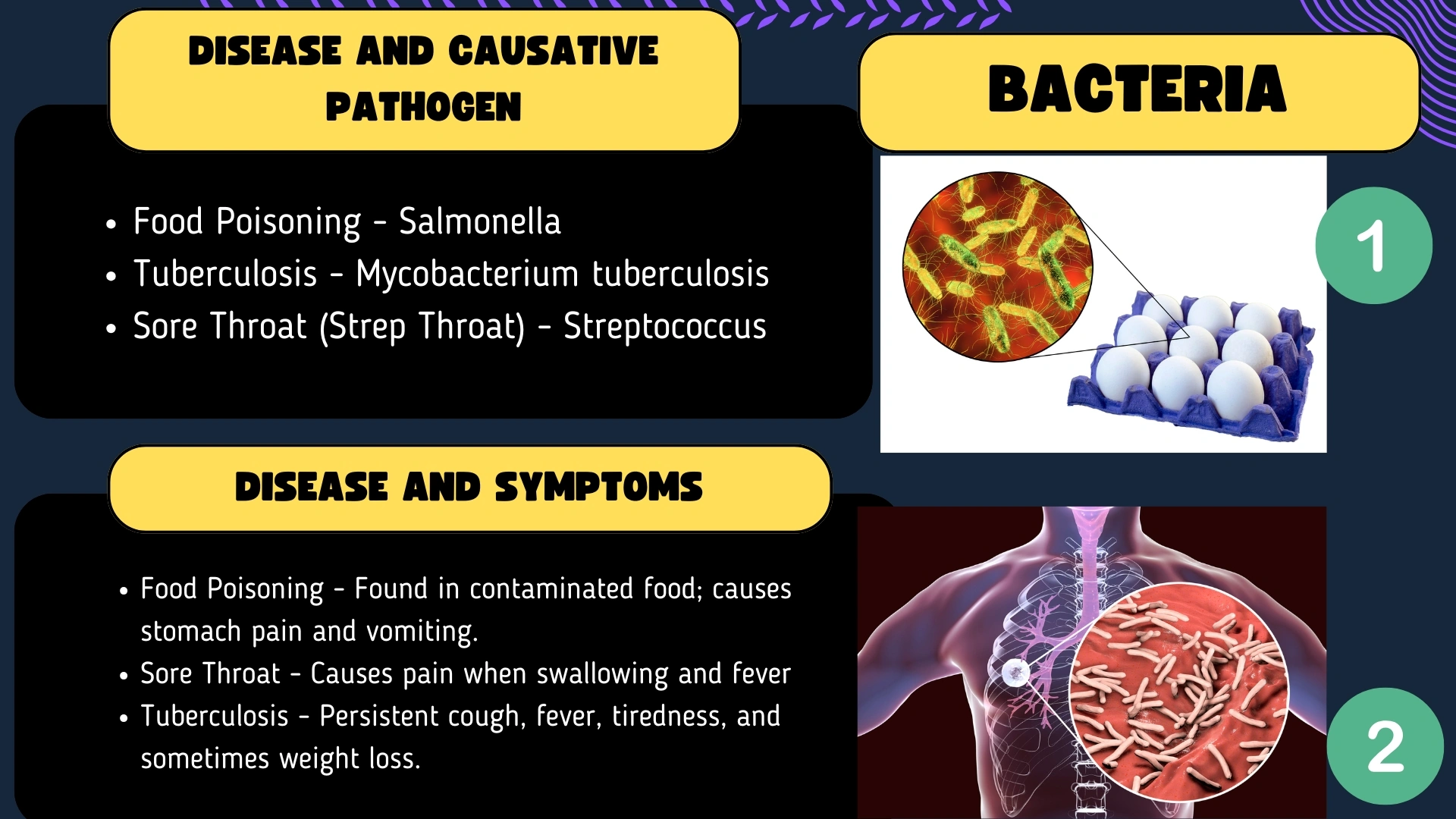
Bacteria are single-celled organisms whose genetic material floats free in the cell rather than being held in a nucleus; cells built this way are called prokaryotes. They reproduce by simply splitting in two, and in warm, moist conditions with plenty of food one bacterium can become millions in a matter of hours. That speed is why a bacterial infection can take hold so quickly.
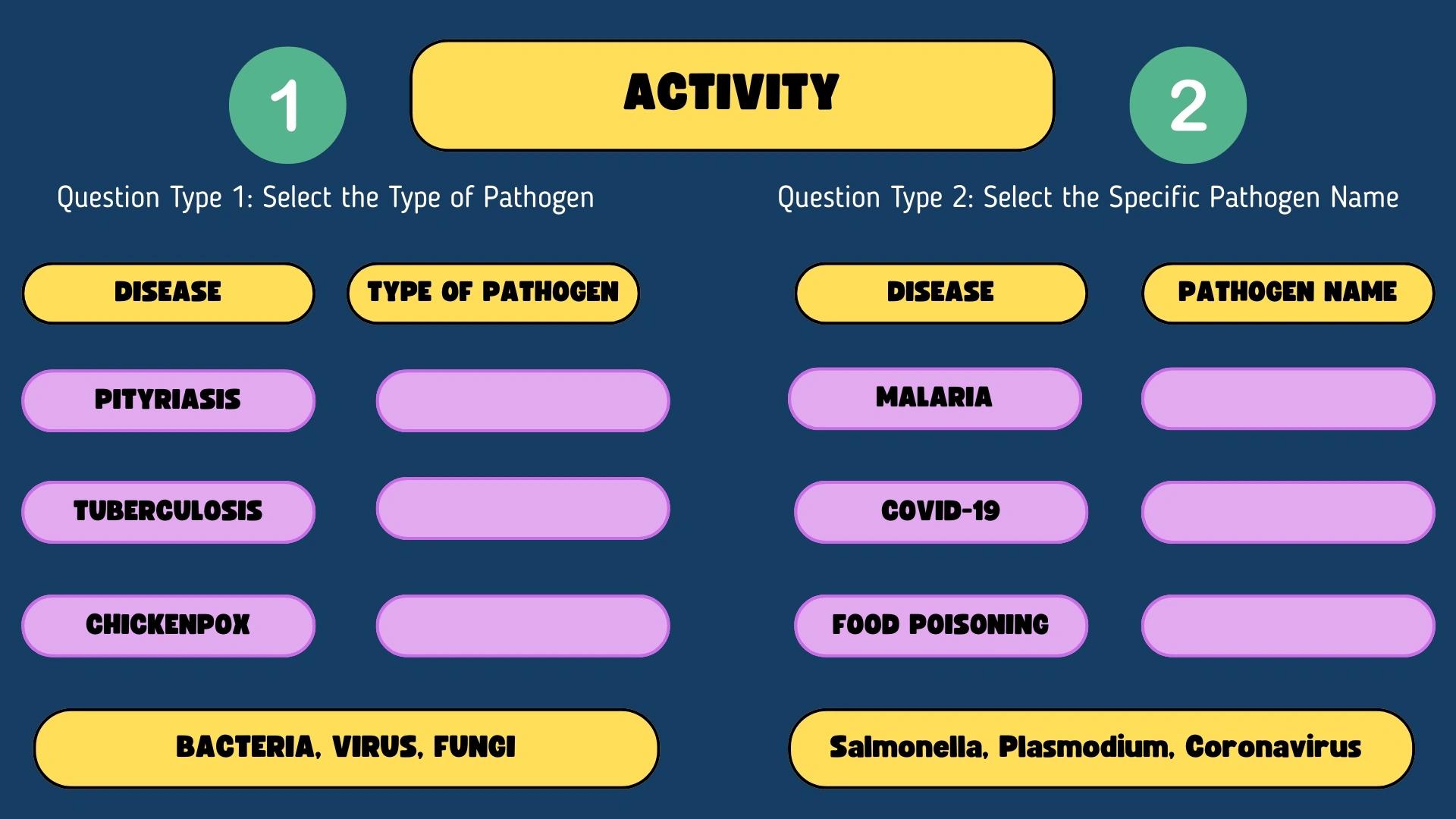
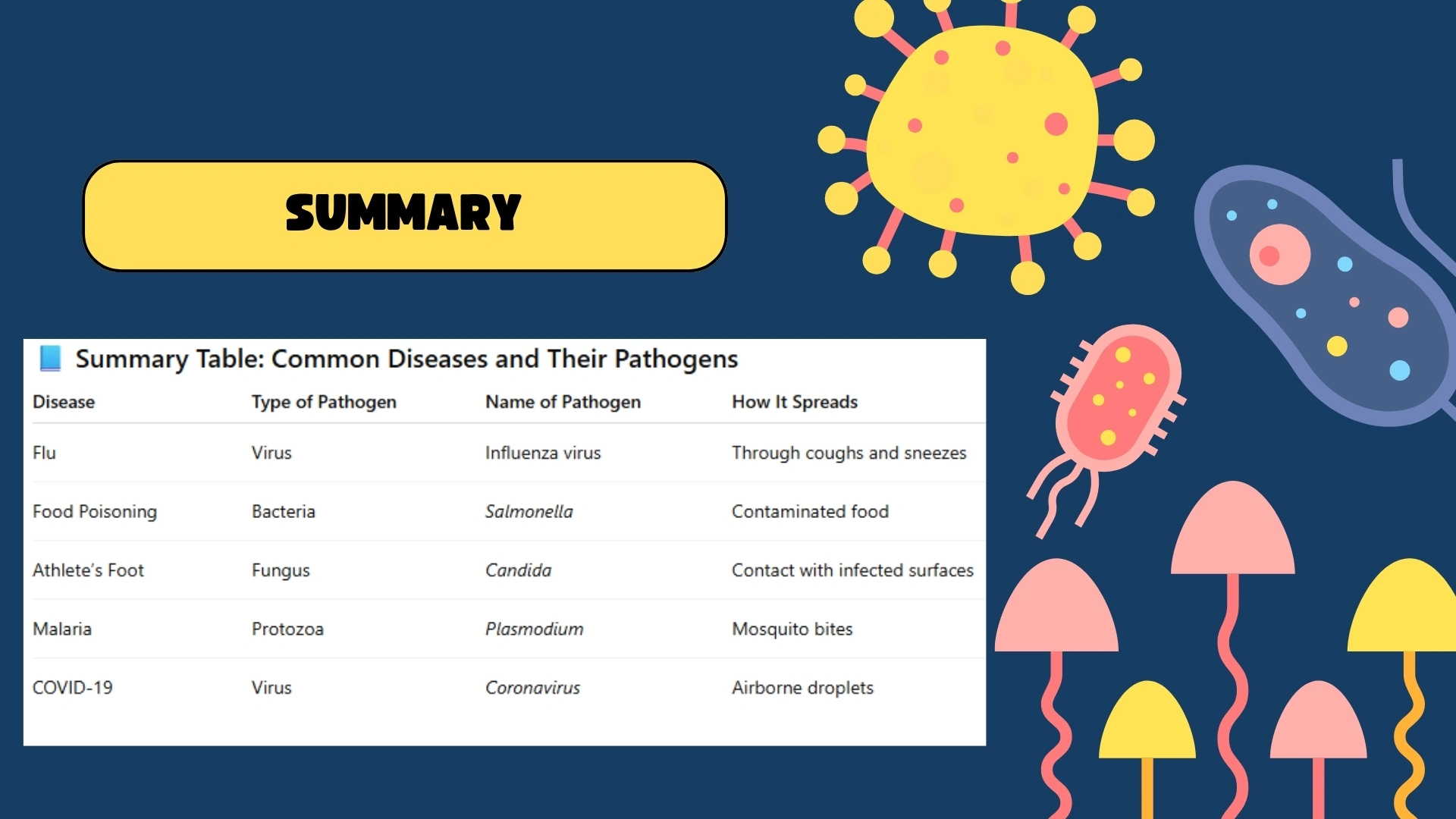
Bacteria make you ill mainly by producing toxins, waste chemicals that poison or disrupt the cells around them. Tuberculosis (TB) is caused by the bacterium Mycobacterium tuberculosis, which attacks the lungs and spreads in the tiny droplets released when an infected person coughs. Cholera is caused by Vibrio cholerae, picked up from contaminated water; its toxin makes the lining of the intestine pour out water, producing the severe watery diarrhoea that makes the disease so dangerous. Salmonella food poisoning comes from undercooked or badly stored food, and strep throat is caused by Streptococcus bacteria.
Because bacteria are living cells with their own chemistry, they can be killed by antibiotics — medicines that attack structures bacteria have and human cells do not. Antibiotics have no effect whatsoever on viruses.
2. Viruses: not cells, so they take over yours
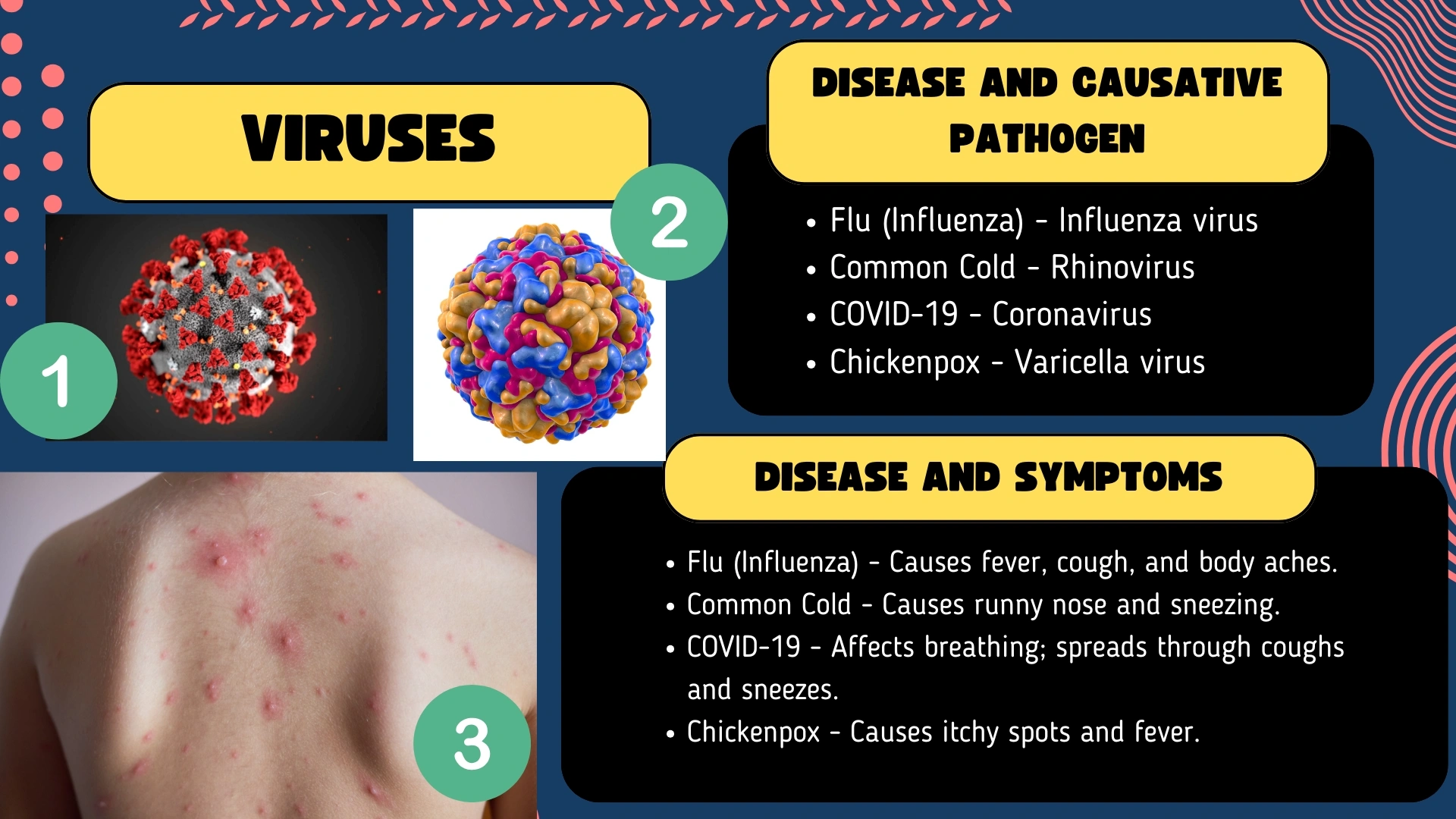
A virus is not a cell, and scientists disagree about whether it counts as alive. It is simply a piece of genetic material — DNA or RNA — wrapped in a protein coat. It cannot feed, grow or reproduce by itself. It can do only one thing: invade a living cell and make that cell build copies of it.
That is exactly how viruses cause disease. A virus attaches to a host cell, gets its genetic material inside, and takes over the cell's machinery. Hundreds of new virus particles are assembled within, and the cell then bursts open and dies, releasing them to infect the cells around it. It is this destruction of the host's own cells, repeated on an enormous scale, that produces the symptoms — and because the virus works from inside your cells, it is far harder to attack with medicine than a bacterium is.
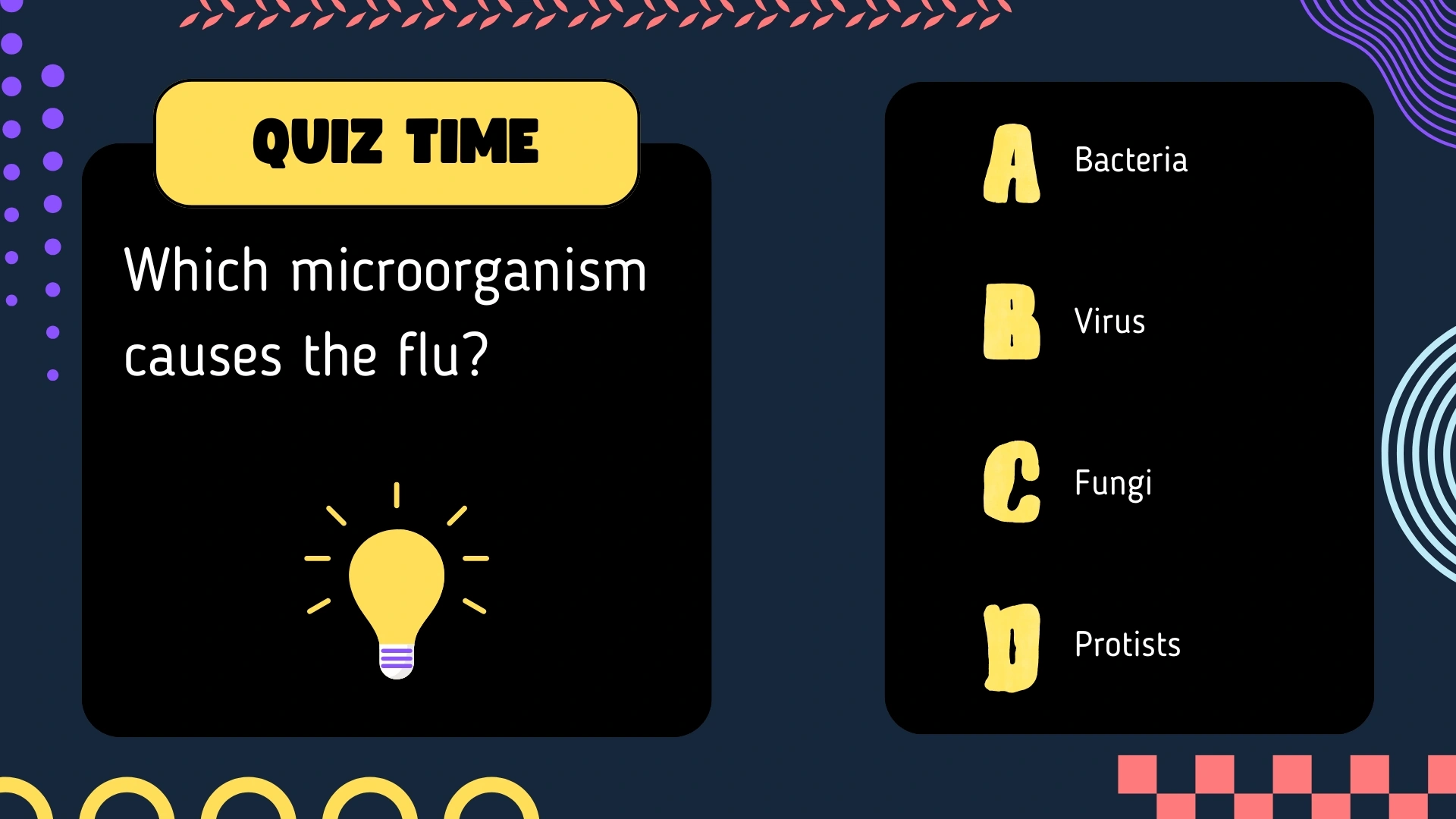
Influenza (flu) attacks the cells lining the airways and spreads in droplets. The common cold is caused by a large family of viruses, which is why catching one gives you no protection against the next. Measles, which is extremely contagious and causes fever and a rash, is prevented by vaccination, as are chickenpox and COVID-19. HIV is especially serious because it infects and destroys the white blood cells of the immune system itself.
3. Fungi: they grow into tissue and digest it
Fungi are eukaryotes — their cells do keep their genetic material inside a nucleus. Some are single-celled, such as the yeasts; others are many cells joined into threads called hyphae, which is what a mould is. Fungi feed by releasing digestive enzymes onto their food and absorbing the dissolved material back in. When that food is you, the enzymes break down living tissue — and that is how a fungal pathogen does its damage.
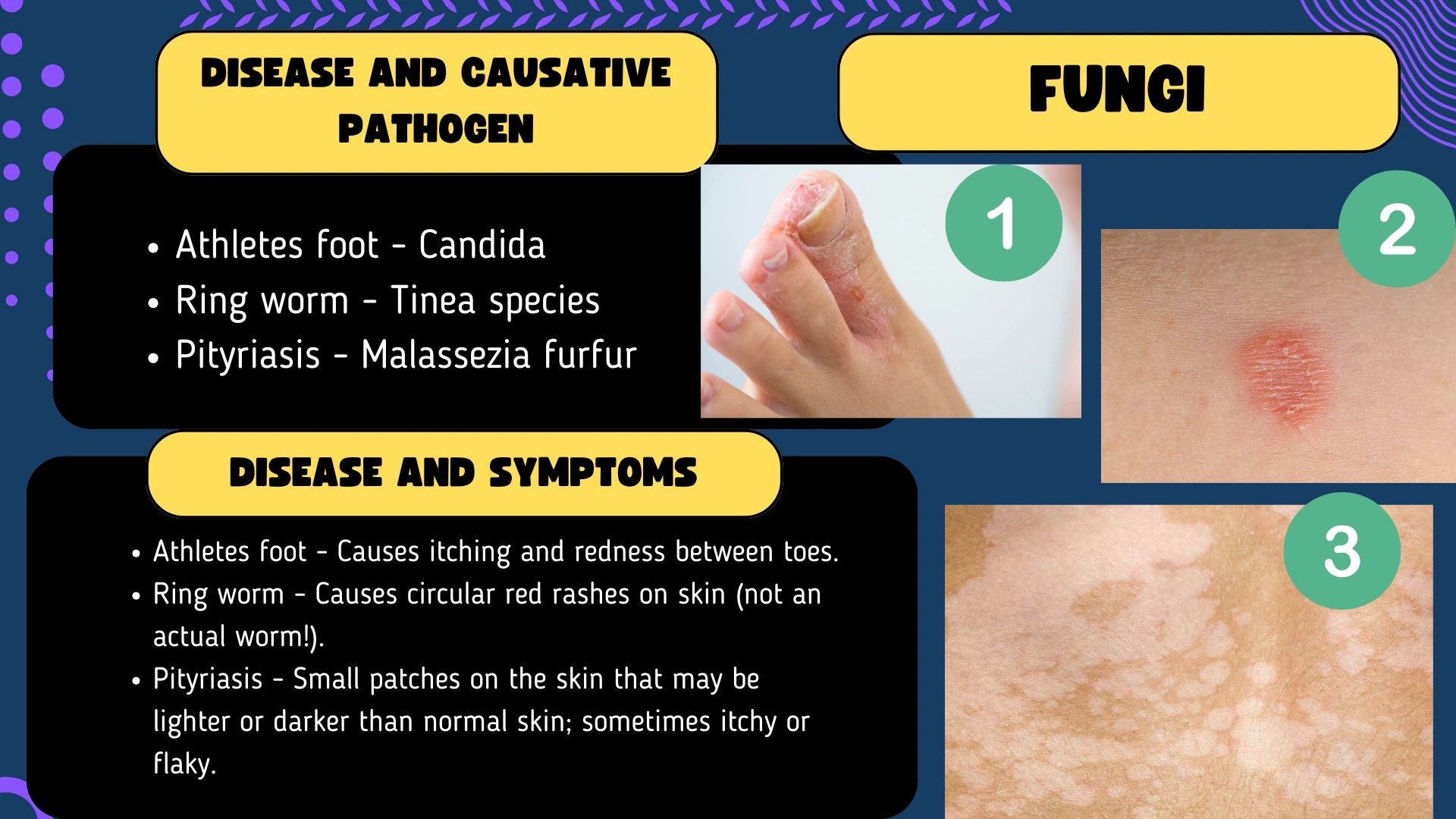
Most human fungal infections affect the skin, nails and hair, because fungi grow best in warm, damp places. Athlete's foot causes cracked, itchy skin between the toes and is picked up from wet changing-room floors and shared towels. Ringworm, in spite of its name, is a fungus and not a worm, and produces a circular scaly rash. Thrush is caused by Candida, a yeast that lives harmlessly on many people and only causes trouble when it overgrows.
4. Protists: single-celled eukaryotes, usually carried by a vector
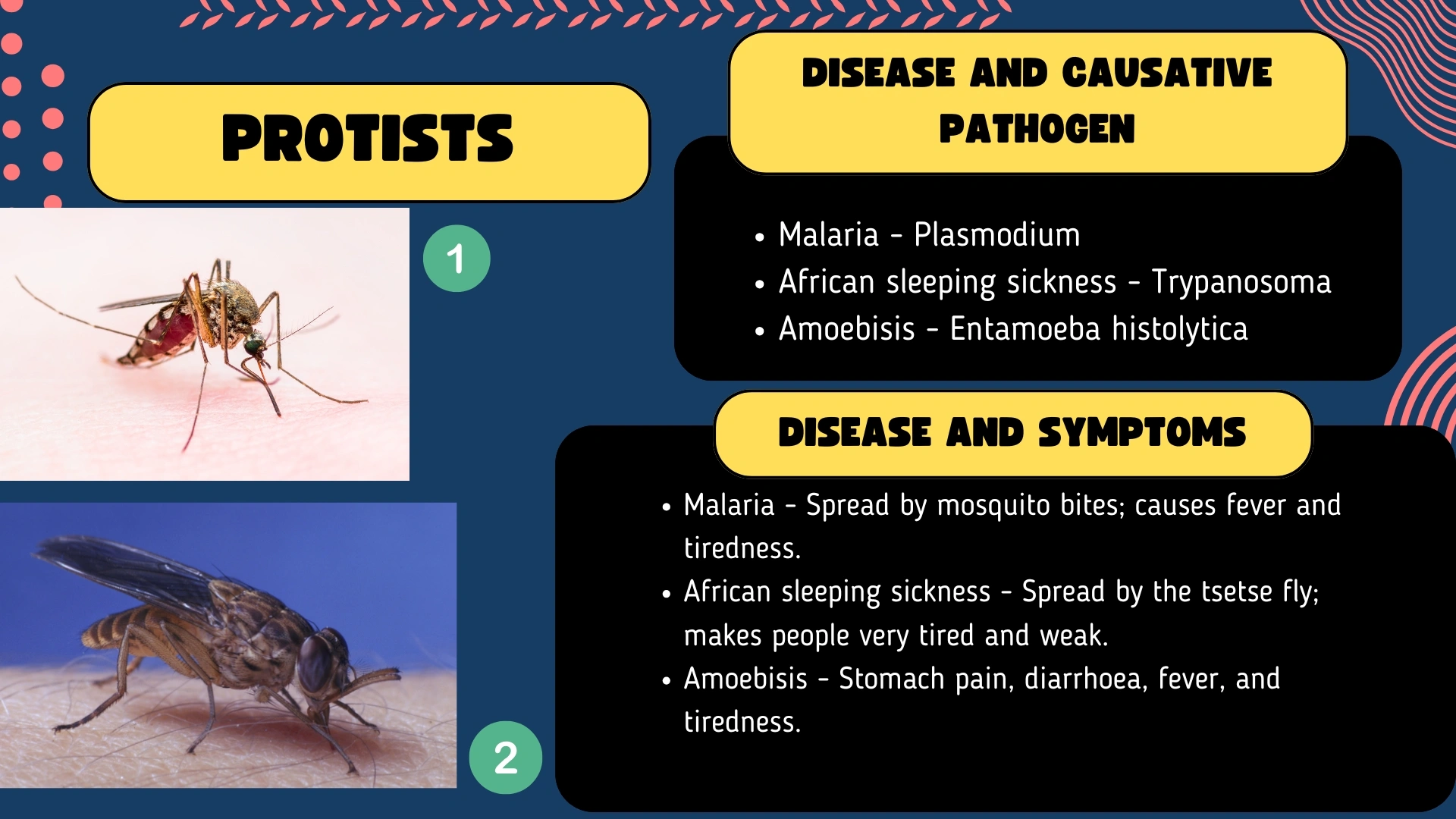
Protists are eukaryotes too, and most are single-celled. Most live harmlessly in ponds and soil, but a few are serious human pathogens. They reach us either in contaminated water or carried by a vector — an animal that transports the pathogen from host to host without becoming ill itself.
Malaria is the most important example. It is caused by a protist called Plasmodium, carried by female Anopheles mosquitoes. When an infected mosquito bites, the protist passes into the blood, travels to the liver and then invades red blood cells, multiplying inside them until they burst; that repeated destruction of red blood cells produces malaria's cycles of fever and shivering. Amoebic dysentery is caused by an amoeba swallowed in dirty water, which damages the lining of the intestine, and sleeping sickness by trypanosomes carried by the tsetse fly.
How pathogens spread from person to person
- Droplets in the air. Coughing, sneezing and talking send out tiny droplets carrying pathogens, which someone nearby breathes in. Flu, colds, measles and tuberculosis spread this way.
- Direct contact. Touching infected skin, or something an infected person has touched. Athlete's foot and ringworm spread like this.
- Contaminated food and water. Swallowing a pathogen in what you eat or drink, as with cholera, salmonella and amoebic dysentery — which is why clean water and careful food handling matter so much.
- Vectors. An animal carries the pathogen between hosts: mosquitoes for malaria, the tsetse fly for sleeping sickness.
- Body fluids. Blood and other body fluids passing between people, as with HIV.
How your body defends itself
Your first line of defence stops pathogens getting in at all. Unbroken skin is a tough barrier and a scab seals a cut quickly. The airways are lined with sticky mucus that traps anything breathed in and with tiny hairs called cilia that sweep it up to the throat to be swallowed, where stomach acid kills most of it. Tears and saliva contain lysozyme, an enzyme that breaks down bacterial cell walls.
If a pathogen gets past all that, the second line of defence takes over: the white blood cells. Phagocytes engulf pathogens and digest them. Lymphocytes produce antibodies — proteins shaped to lock onto one particular pathogen's surface, clumping the invaders together and marking them for destruction. Each antibody fits only one pathogen, like a key in a lock.
After an infection is beaten, some lymphocytes stay behind as memory cells. If the same pathogen ever returns they recognise it at once and make antibodies so fast that you never become ill. That is immunity, and it is exactly what vaccination produces deliberately: a vaccine introduces a weakened, killed or partial form of a pathogen, which cannot make you ill but is enough for your body to build memory cells against it.
It is worth knowing that much of how ill you feel comes from this immune response rather than from the pathogen directly. A raised temperature and the swelling of inflammation are defences your body switches on deliberately, because most pathogens reproduce poorly when too hot.
Key terms
- Pathogen
- A microorganism or particle that causes disease in its host.
- Toxin
- A poisonous chemical released by a pathogen, especially a bacterium, that damages the host's cells.
- Infectious (communicable) disease
- A disease caused by a pathogen, which can be passed from one host to another.
- Incubation period
- The time between a pathogen entering the body and the first symptoms appearing.
- Vector
- An animal that carries a pathogen between hosts without becoming ill itself, such as the mosquito that carries malaria.
- Antibody
- A protein made by lymphocytes that locks onto one pathogen and marks it for destruction.
- Immunity
- Protection against a disease, produced by memory cells left after an infection or a vaccination.
- Antibiotic
- A medicine that kills bacteria or stops them multiplying. It has no effect on viruses.