🔬 Introduction to Cell Biology
Cells are the fundamental units of life, forming every living organism from the simplest bacteria to the most complex plants and animals. Each cell has its own structure, features, and specialised organelles that work together to help it function, grow, and stay alive. Understanding how these parts are organised gives students a clear foundation for learning how living systems operate at the microscopic level.
This blog is designed specifically for GCSE, IGCSE, IB, CBSE, and AP Biology students (Year 9–11) preparing for their exams. It includes interactive diagrams, hands-on learning activities, practice worksheets, and revision flashcards to help you master the entire topic with confidence and clarity. Dive in and explore how cells build, organise, and power life.
🦠 Types of Cells
All living organisms are composed of cells, but they vary in structure and function. Broadly, cells are classified into prokaryotic and eukaryotic cells.
Prokaryotic Cells
Lack a true nucleus
DNA is circular and free in the cytoplasm
Examples: Bacteria (E. coli, Streptococcus)
Have cell walls made of peptidoglycan
Contain ribosomes but smaller than in eukaryotes
Eukaryotic Cells
Have a true nucleus containing linear DNA
More complex organelles (mitochondria, chloroplasts)
Examples: Animal cells, plant cells, fungi
Plant cells have a cell wall made of cellulose
Plant vs Animal cells
Plant Cells
Cell wall provides rigidity
Chloroplasts for photosynthesis
Large central vacuole for storage and maintaining turgor pressure
Rectangular or fixed shape
Animal Cells
No cell wall
Small vacuoles
Flexible, irregular shape
Contain lysosomes for digestion
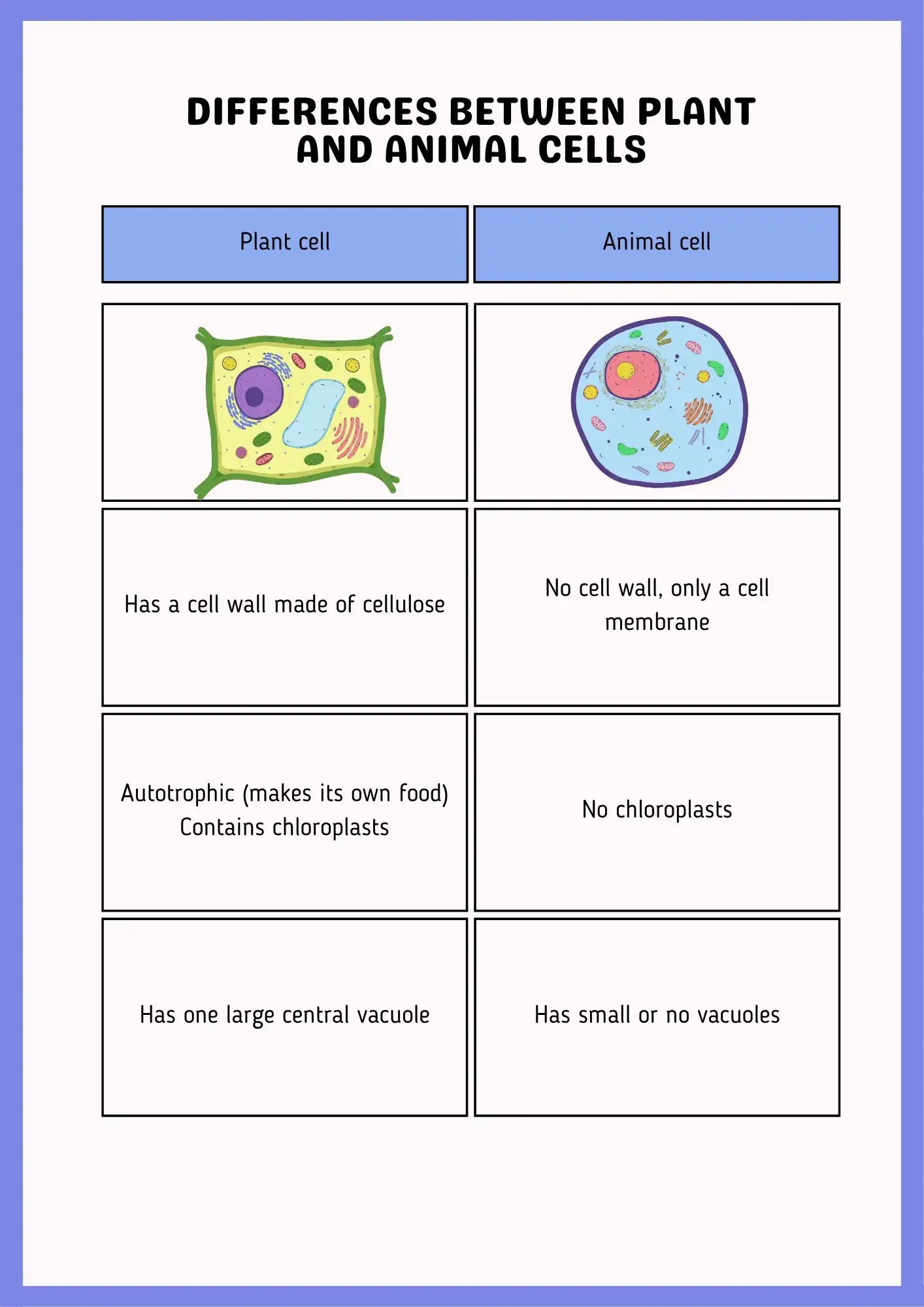
Comparison Table: Plant vs Animal Cells
Click to view larger
🔬 Cell Organelles and Their Functions
1. Cell Membrane
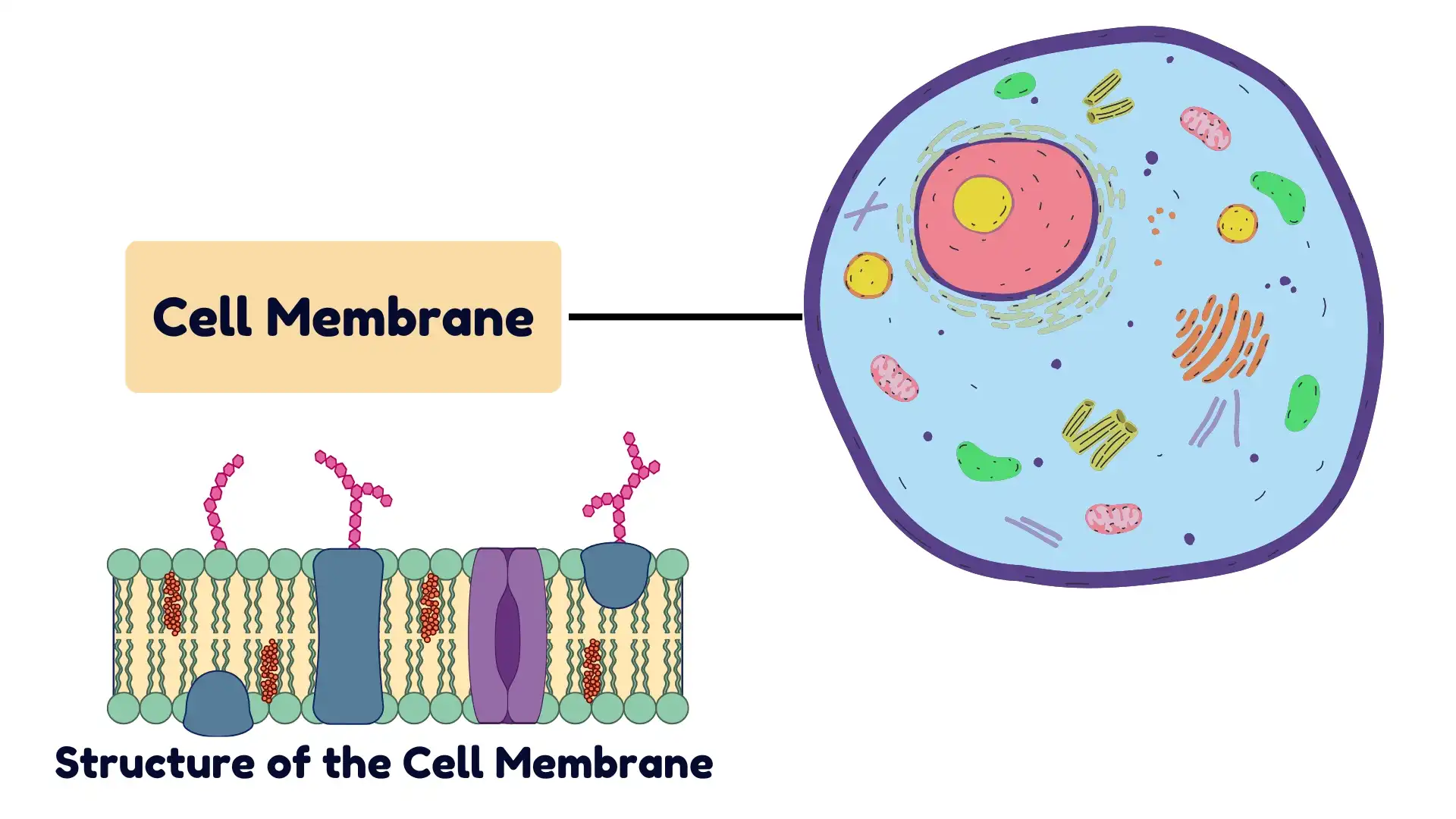
Cell Membrane Structure
Click to view larger
Features:
The cell membrane is a thin, flexible outer layer that surrounds the cell. It controls what enters and leaves the cell, maintaining a stable internal environment. It is made of a phospholipid bilayer with embedded proteins.
Functions:
Controls movement of substances in and out of the cell
Provides protection and support
Helps in cell communication
2. Cytoplasm
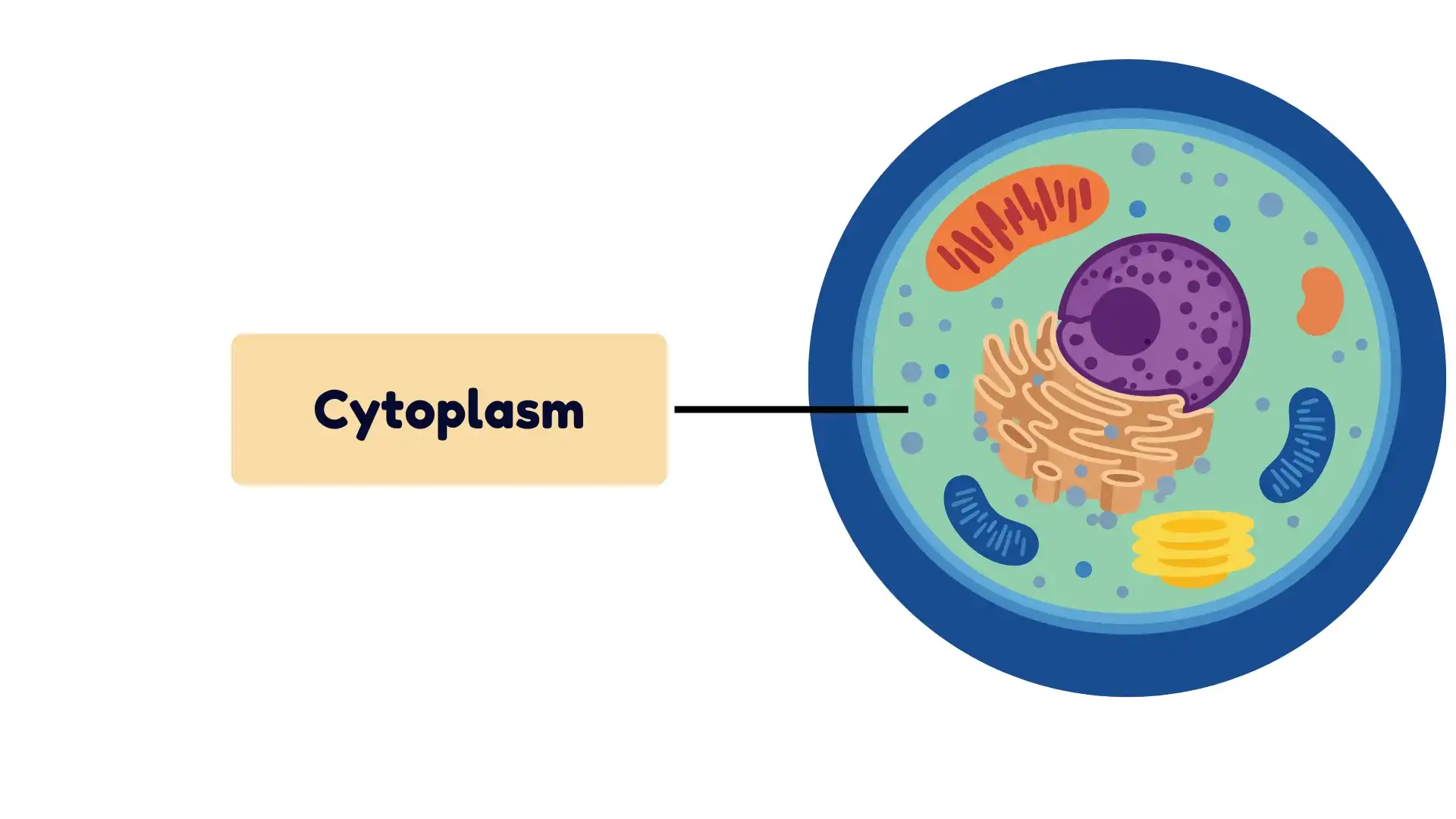
Cytoplasm
Click to view larger
Features:
A jelly-like fluid that fills the inside of the cell. It holds organelles in place and allows chemical reactions to occur.
Functions:
Site of many metabolic reactions
Supports and suspends organelles
3. Nucleus
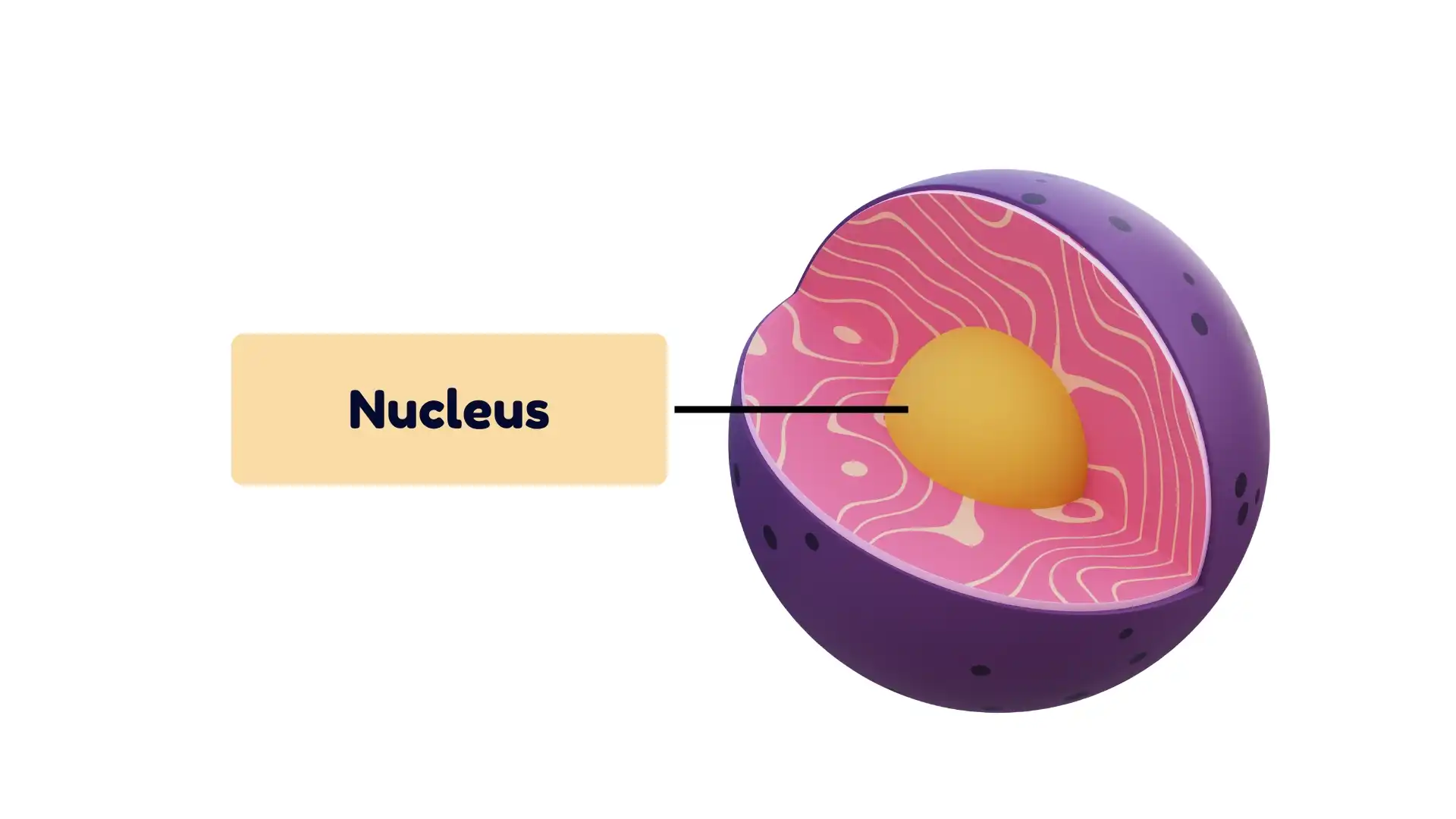
Nucleus
Click to view larger
Features:
A large, central organelle containing DNA. It acts as the control centre of the cell, regulating growth, protein production, and cell division.
Functions:
Stores genetic information
Controls cell activities
Regulates protein synthesis
4. Mitochondria
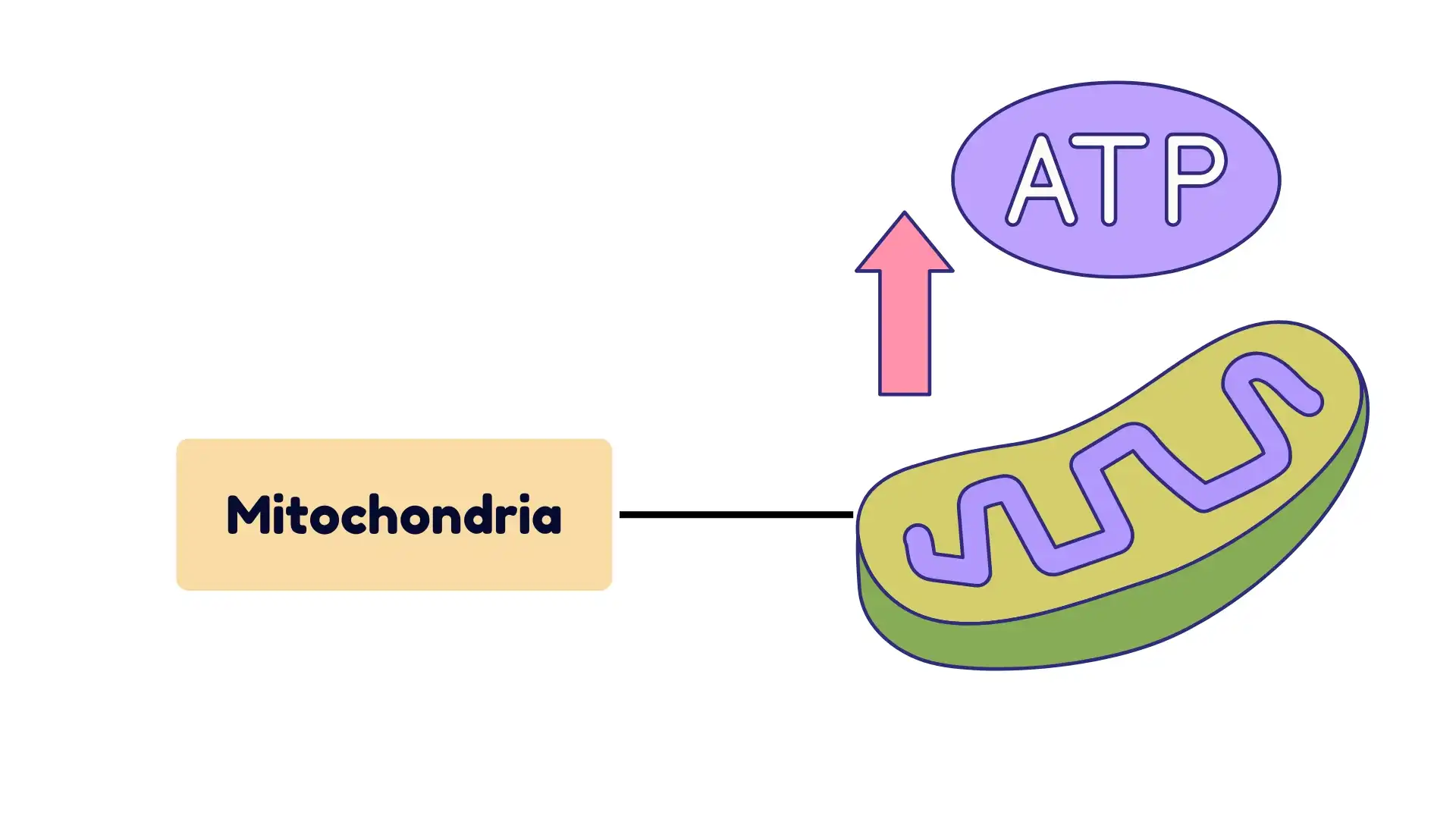
Mitochondria - The Powerhouse
Click to view larger
Features:
Rod-shaped organelles known as the powerhouse of the cell. They have a double membrane and produce energy through respiration.
Functions:
Produce ATP (energy) during cellular respiration
Help regulate cell metabolism
5. Ribosomes
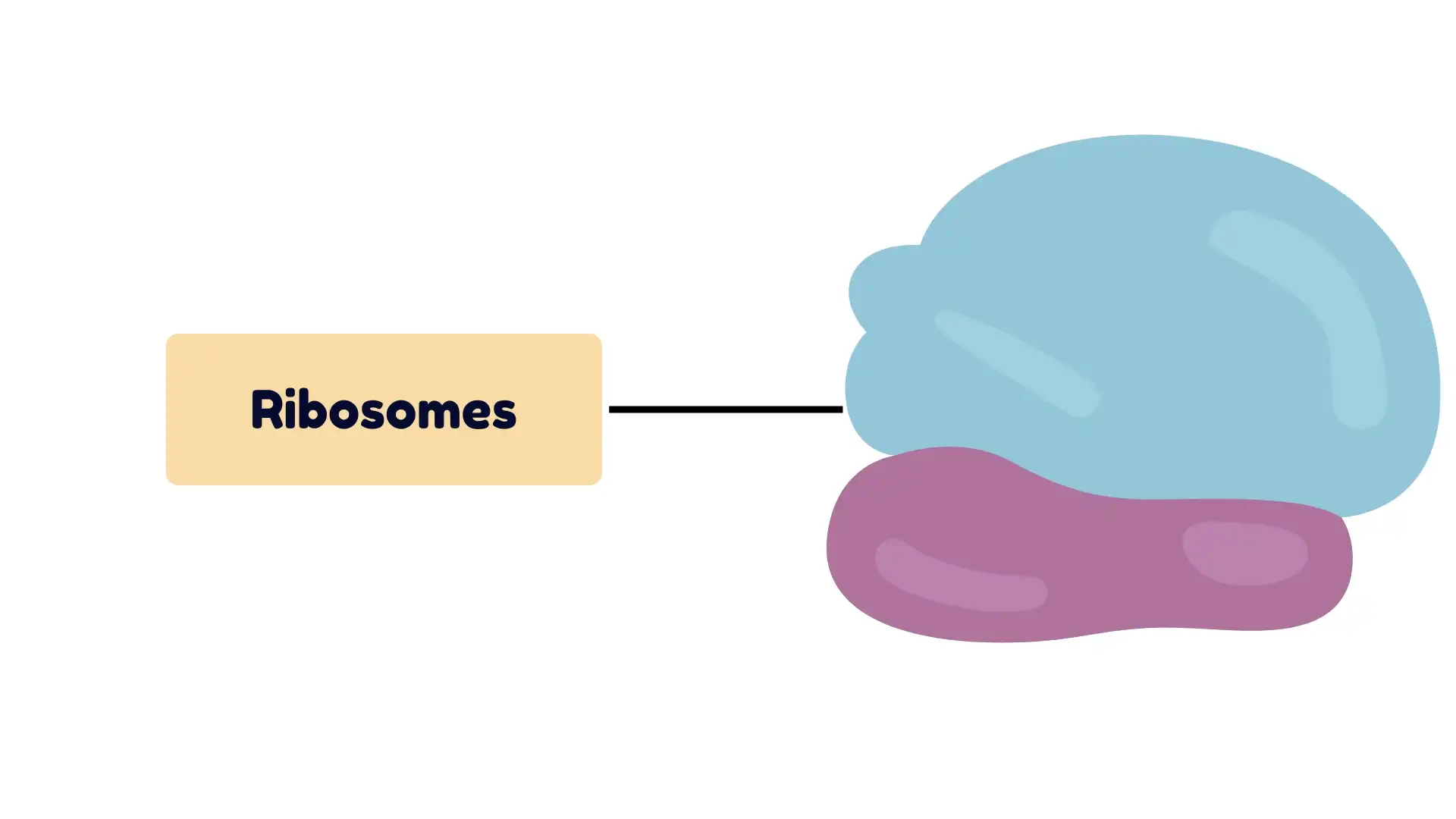
Ribosomes
Click to view larger
Features:
Tiny structures found either floating in the cytoplasm or attached to the rough ER. They are made of RNA and proteins.
Functions:
Manufacture proteins required by the cell
6. Endoplasmic Reticulum (ER)
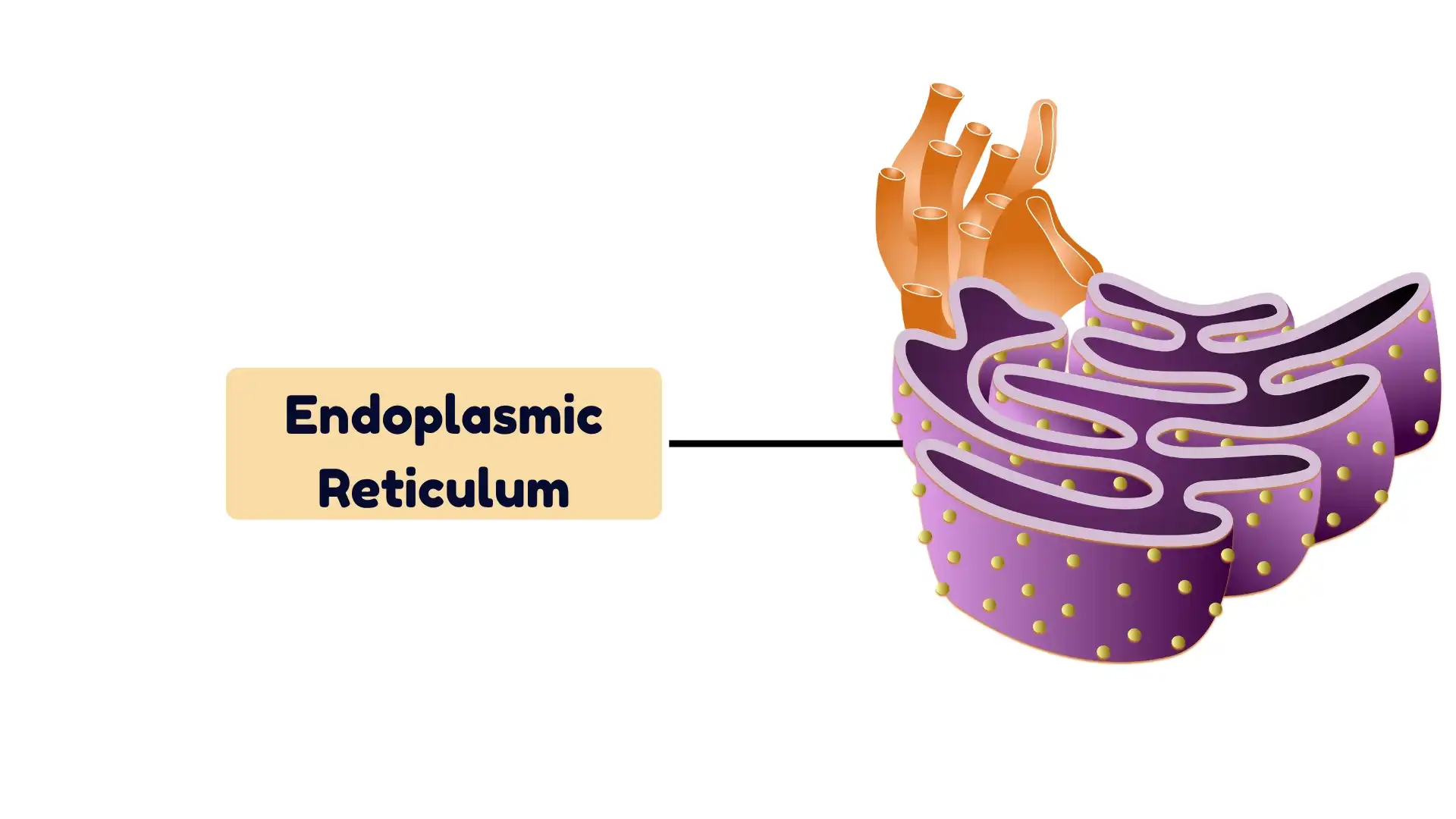
Endoplasmic Reticulum
Click to view larger
a. Rough ER
Features:
Has ribosomes on its surface and is involved in protein processing and transport.
Functions:
Modifies and transports proteins
Helps in protein folding
b. Smooth ER
Features:
Lacks ribosomes. It is involved in lipid synthesis and detoxification.
Functions:
Produces lipids and hormones
Detoxifies harmful substances
7. Golgi Apparatus
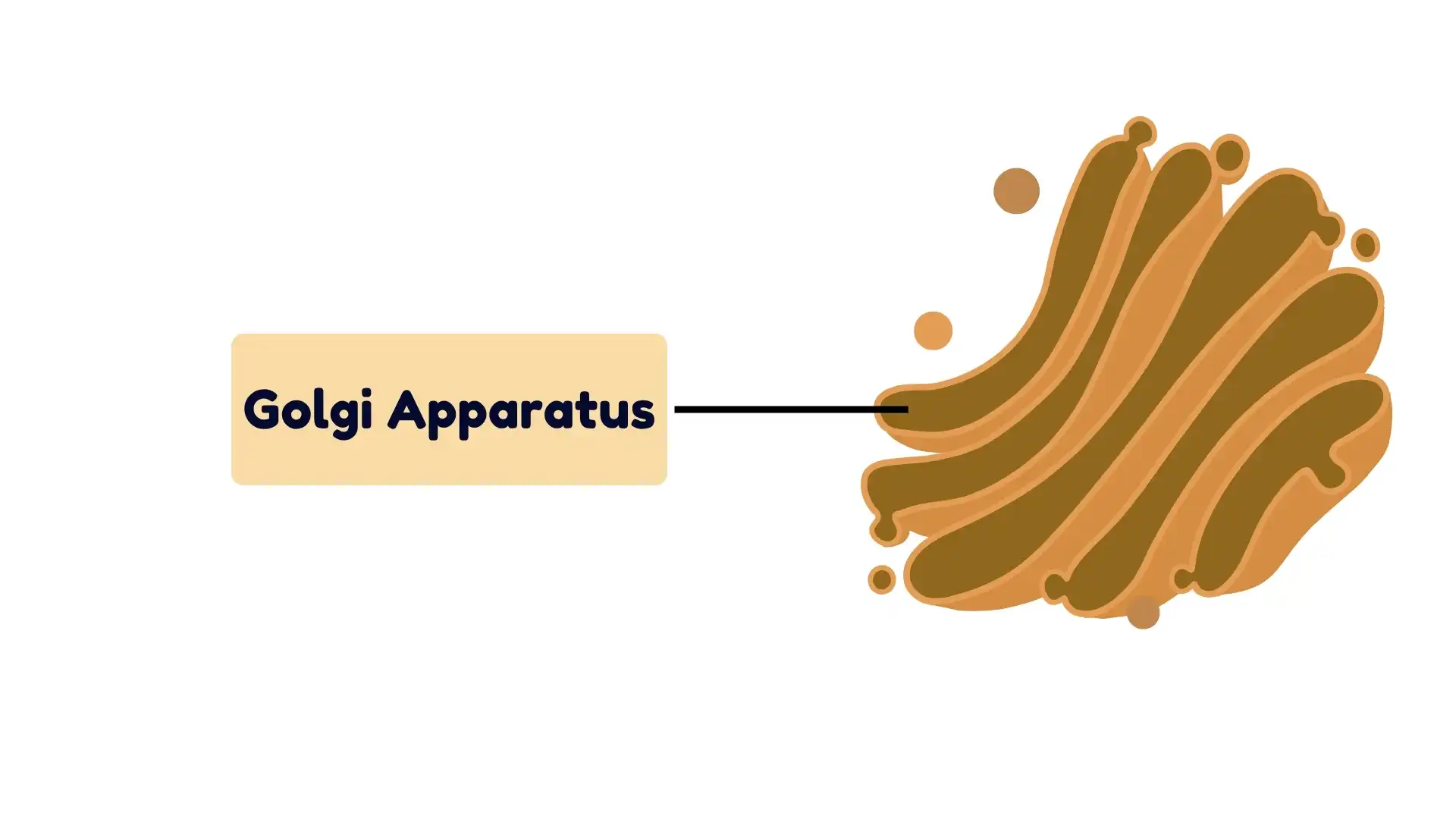
Golgi Apparatus
Click to view larger
Features:
A stack of flattened membranes that modify, package, and distribute proteins and other molecules.
Functions:
Packages proteins into vesicles
Modifies and transports substances
8. Lysosomes (Animal Cells Only)
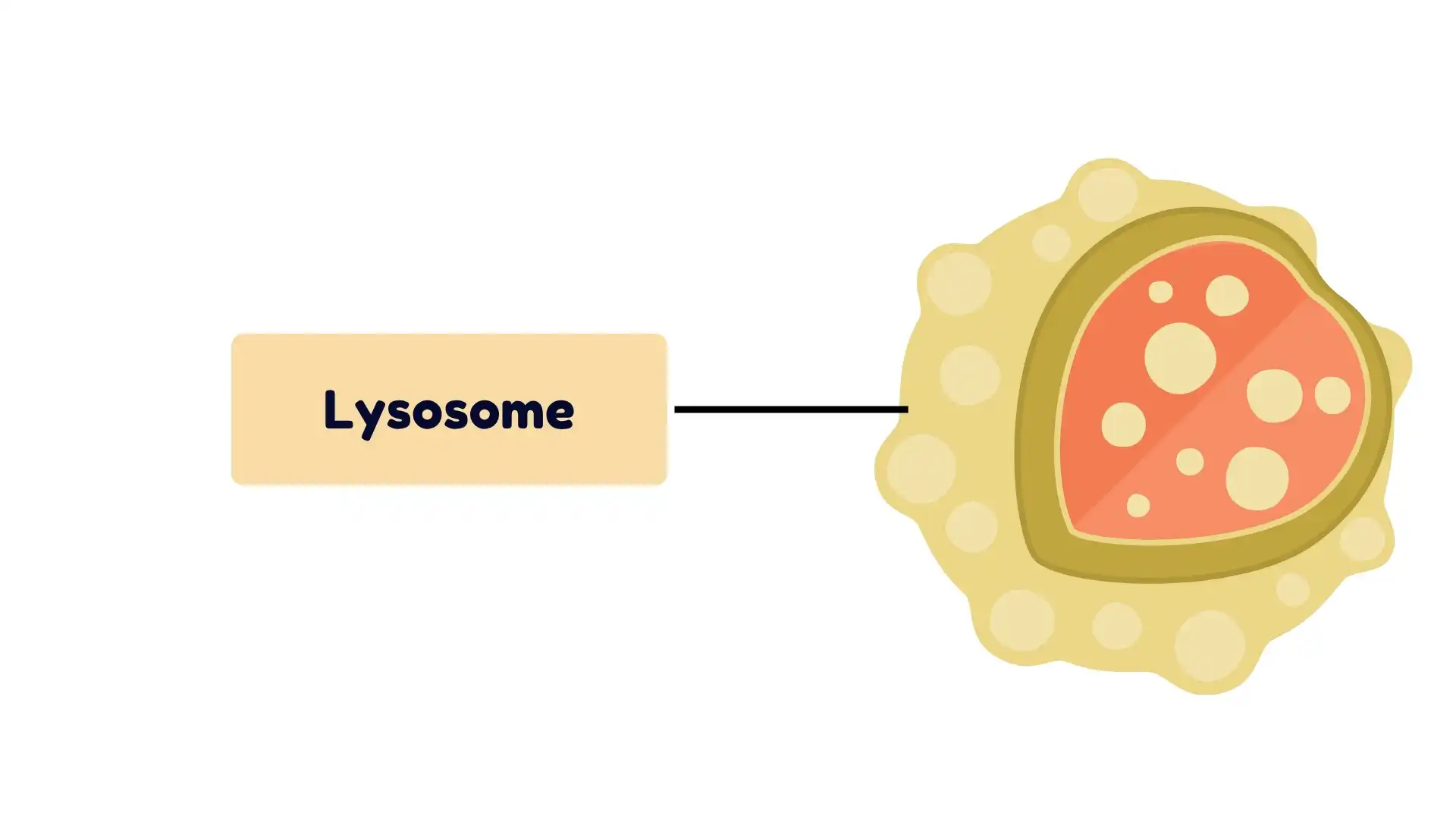
Lysosomes
Click to view larger
Features:
Small sacs containing digestive enzymes. They break down waste materials and worn-out cell parts.
Functions:
Digest unwanted materials
Destroy harmful pathogens
Recycle worn-out organelles
9. Vacuoles
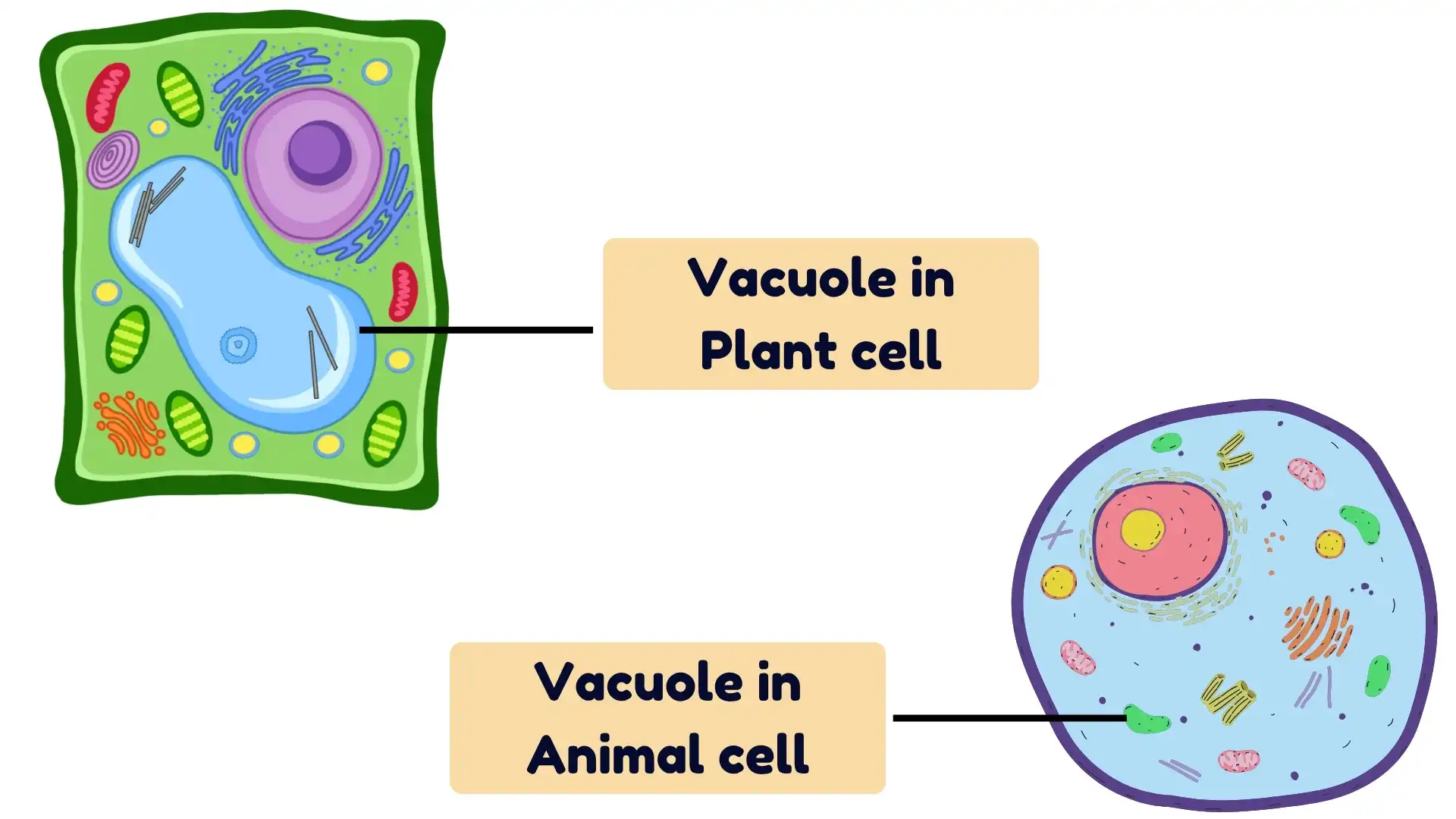
Vacuoles in Plant and Animal Cells
Click to view larger
a. Small Vacuoles (Animal Cells)
Features:
Small and numerous, used to store substances.
Functions:
Store water, nutrients, and waste
b. Large Central Vacuole (Plant Cells)
Features:
A large fluid-filled sac that maintains the shape and structure of plant cells.
Functions:
Stores water and essential minerals
Maintains turgor pressure
Helps support the plant structure
10. Chloroplasts (Plant Cells Only)
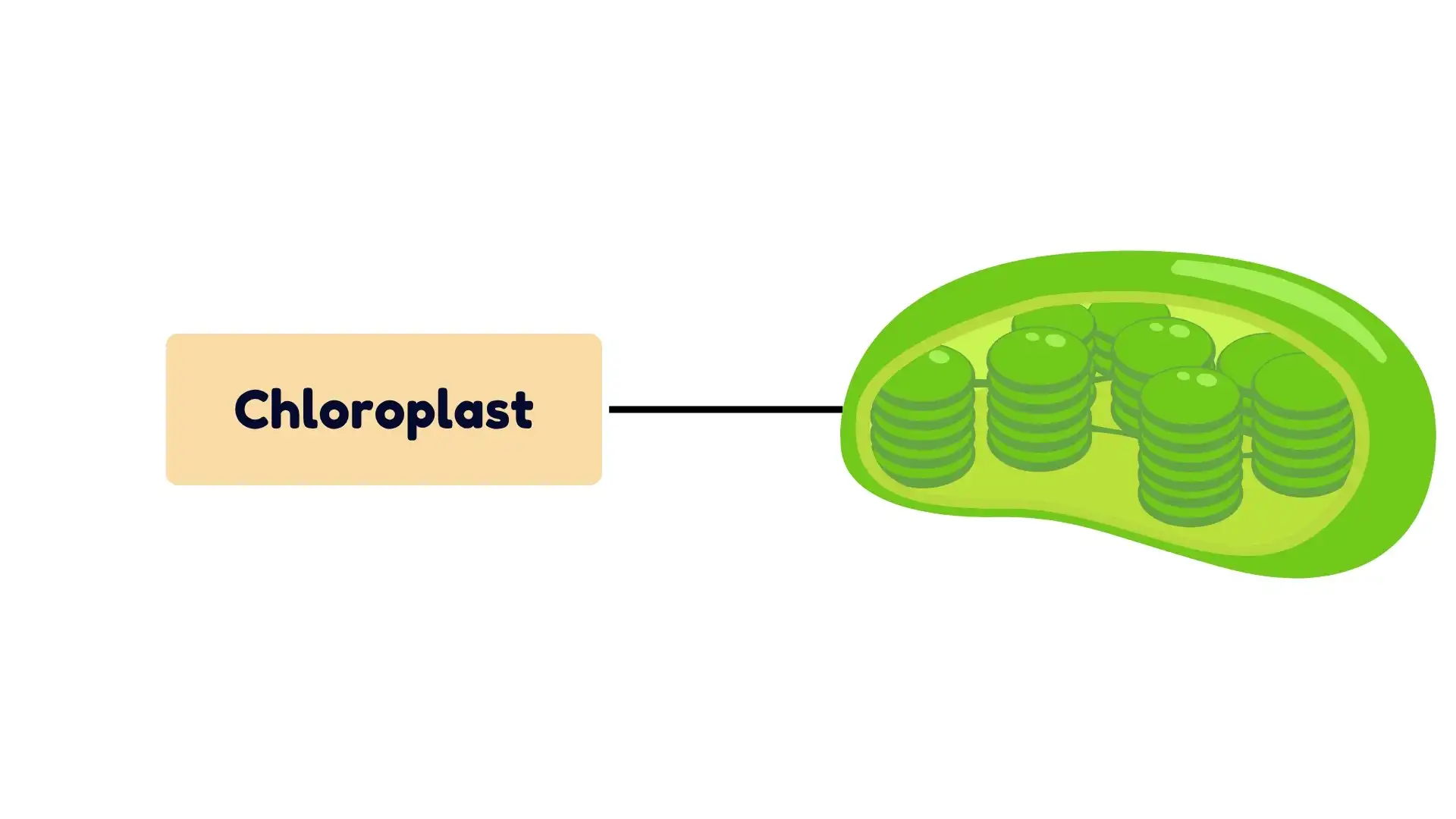
Chloroplasts
Click to view larger
Features:
Green organelles containing chlorophyll. They are the site of photosynthesis and have a double membrane.
Functions:
Absorb light energy
Produce glucose through photosynthesis
Release oxygen
11. Cell Wall (Plant Cells Only)
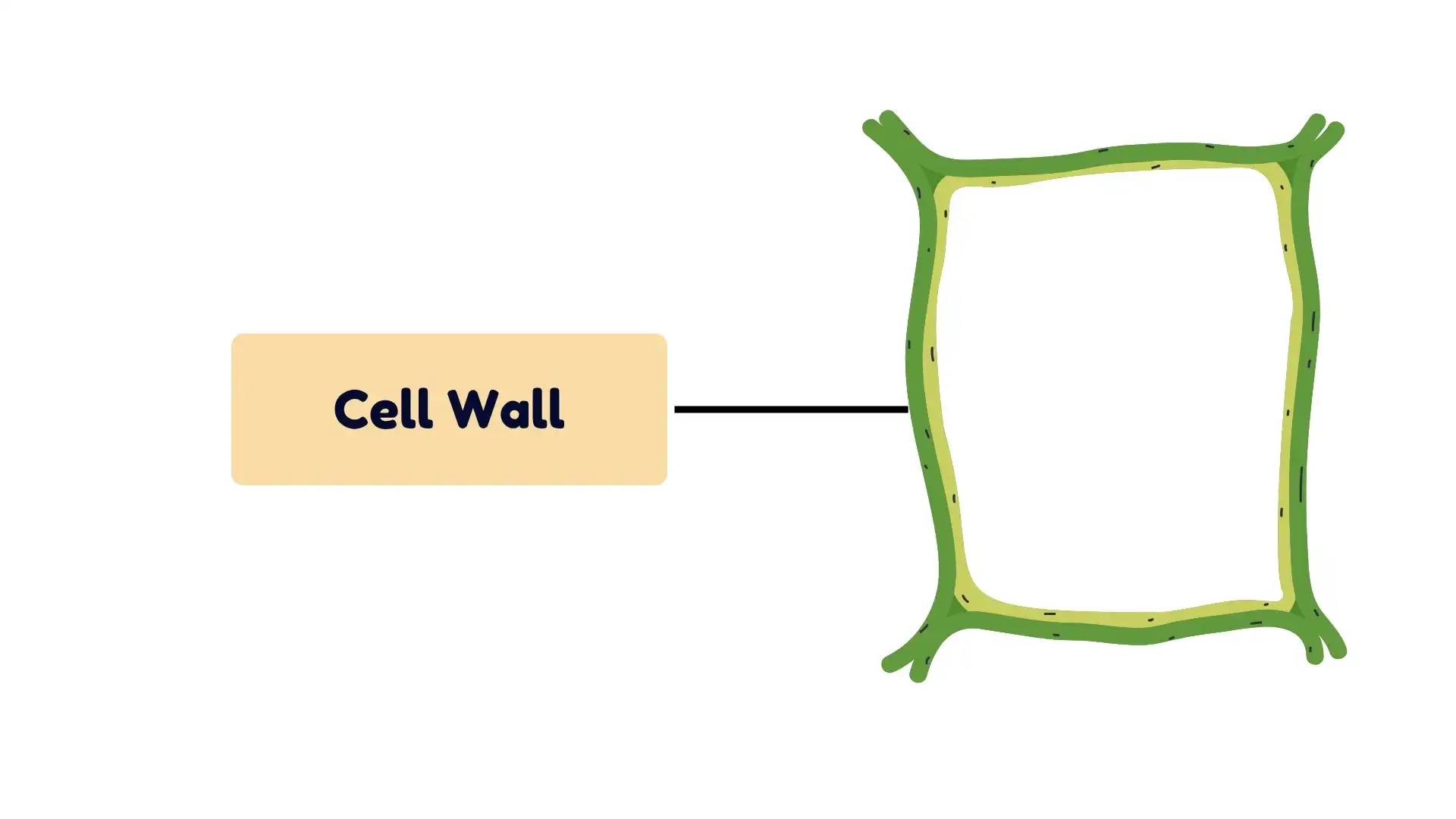
Cell Wall
Click to view larger
Features:
A rigid outer layer made of cellulose. It provides shape, strength, and protection.
Functions:
Supports and strengthens the cell
Protects against mechanical damage
Maintains cell shape
12. Centrosomes and Centrioles (Animal Cells Only)
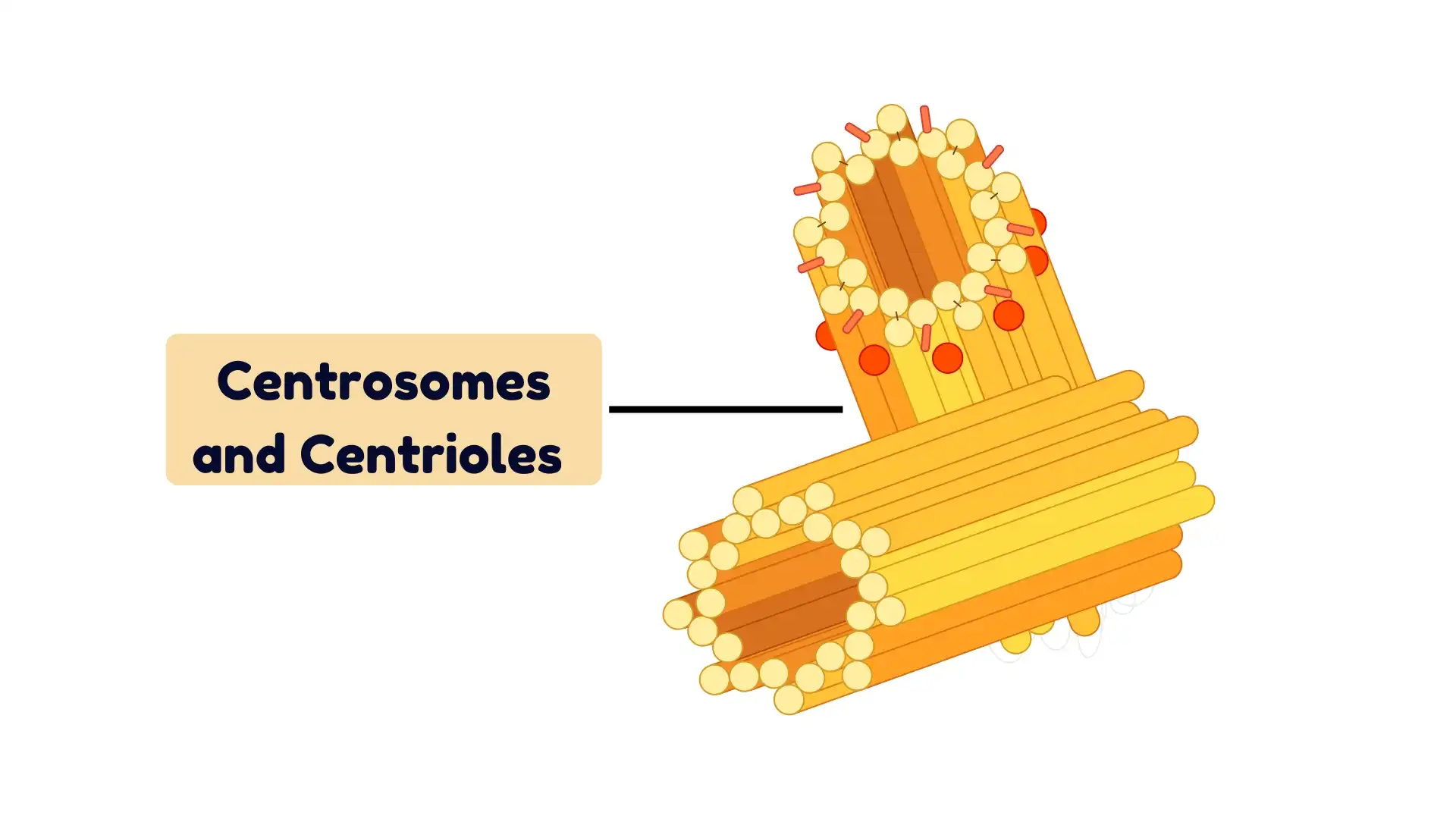
Centrosomes and Centrioles
Click to view larger
Features:
Structures involved in cell division, located near the nucleus.
Functions:
Help organise spindle fibres
Assist in cell division (mitosis/meiosis)
13. Plasmodesmata (Plant Cells Only)
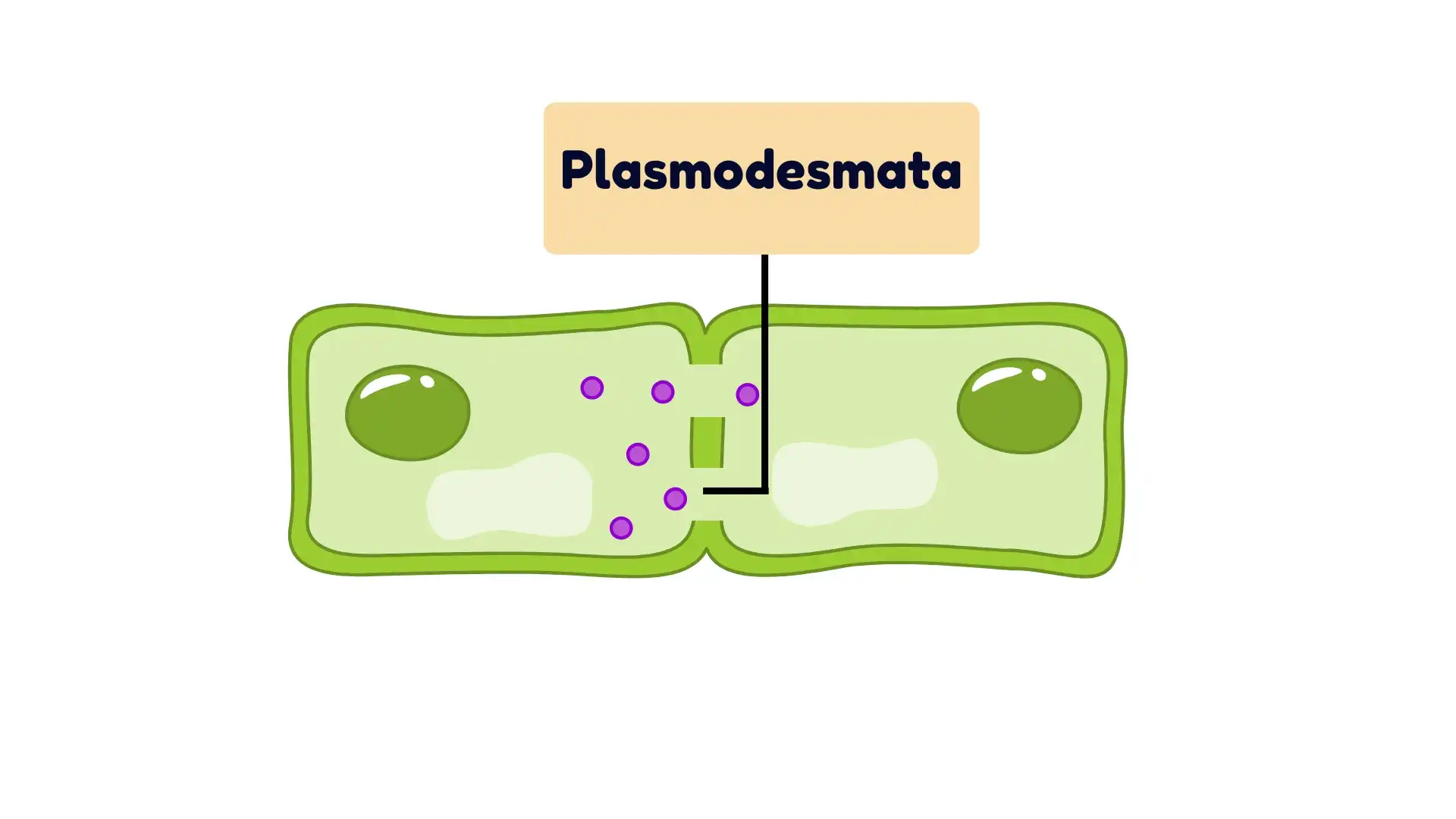
Plasmodesmata
Click to view larger
Features:
Tiny channels between plant cells that allow materials to pass from one cell to another.
Functions:
Enable communication between plant cells
Allow exchange of substances
Cell Specialisation and Differentiation
Cells are often specialised to perform specific functions. Differentiation is the process by which a cell becomes specialised.
Examples:
Red Blood Cells
No nucleus, biconcave shape for maximum oxygen transport
Sperm Cells
Flagella for movement, many mitochondria for energy
Root Hair Cells
Long extensions increase surface area for water absorption
Guard Cells
Control opening of stomata in leaves
💡 Importance
Cell specialisation enables multicellular organisms to perform complex functions efficiently.
📊 Levels of Organisation
Cells are organised into tissues, organs, and systems:
🔬 Tissue
Group of similar cells performing a function (e.g., muscle tissue)
❤️ Organ
Collection of tissues working together (e.g., heart)
🫀 Organ System
Group of organs performing a major function (e.g., circulatory system)
🧑 Organism
Complete living entity
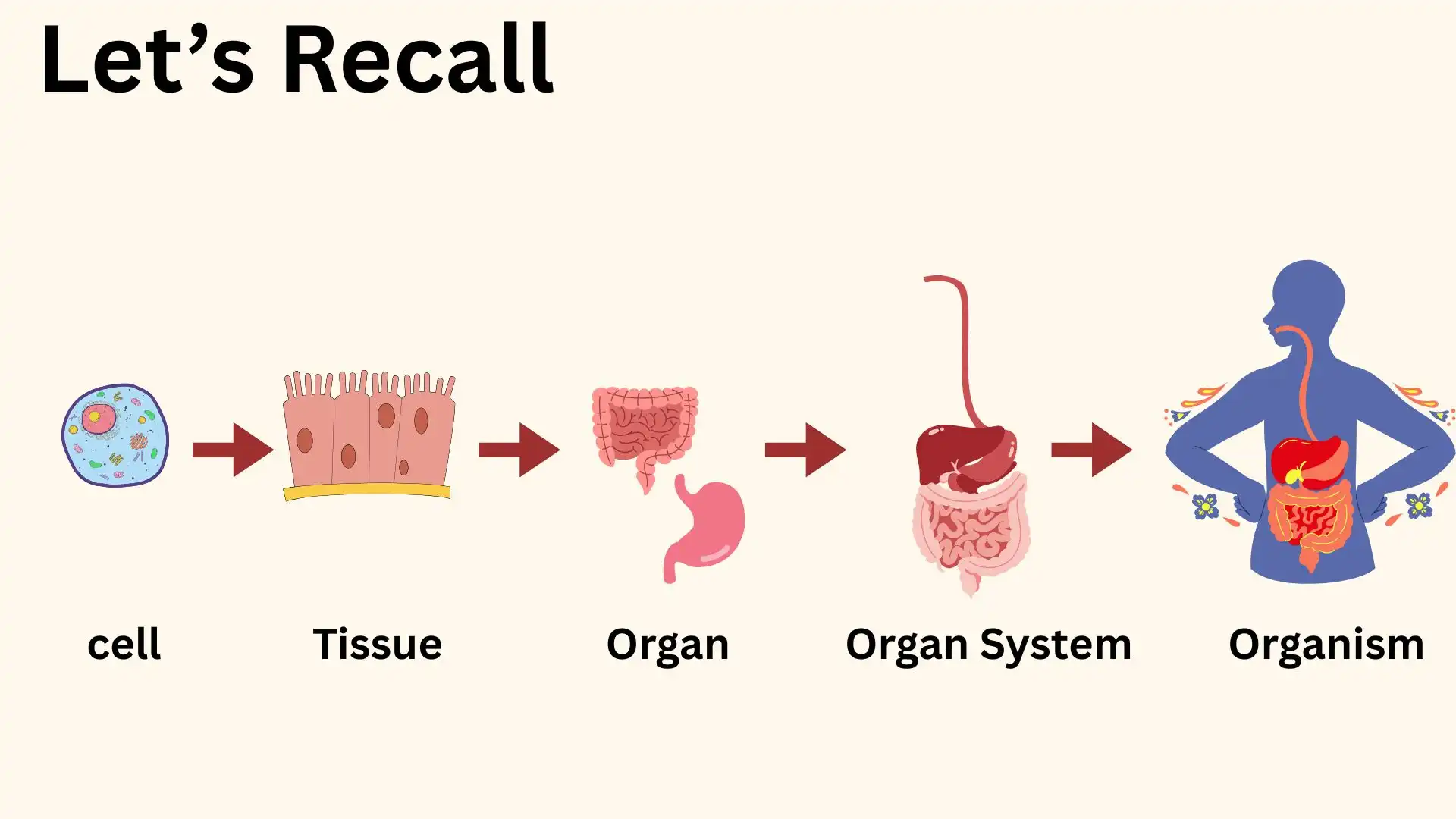
Levels of Organisation
Click to view larger
📌 Example:
Cells → Cardiac muscle cells
Tissue → Cardiac muscle tissue
Organ → Heart
System → Circulatory system
This hierarchical organisation allows efficient functioning of multicellular organisms.
🔬 Practical Applications of Cell Biology
🏥 Medical Research
Understanding cell function in disease
🧬 Stem Cell Therapy
Repair damaged tissues
🧪 Genetic Engineering
Manipulating cells for insulin production
🌾 Plant Breeding
Understanding cell structure helps improve crops