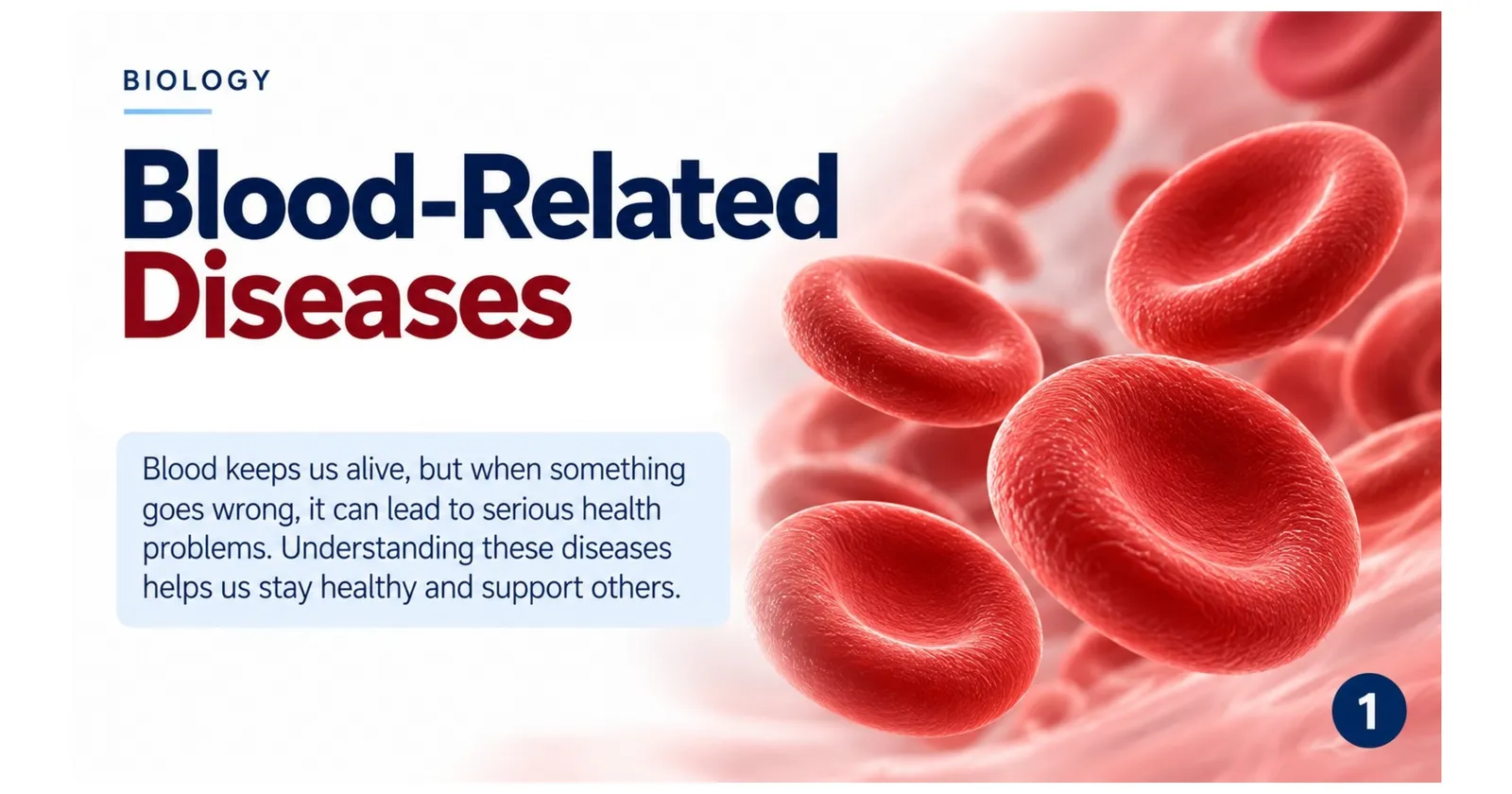
What blood is made of, then the main disorders of red cells, white cells, platelets and clotting, and how doctors diagnose them.
Your body contains about five litres of blood, and every drop is working hard. Blood carries oxygen to every cell, fights infections, seals wounds and removes waste. When something goes wrong with any part of it, the effects can be felt throughout the whole body, from tiredness and pale skin to serious bleeding or repeated infections. In this guide we explain what blood is made of, then walk through the most important blood diseases, what causes them, how they are diagnosed and how they are treated.
Please note: this article is for education only. If you are worried about any symptoms, always speak to a doctor.
What Is Blood Made Of?
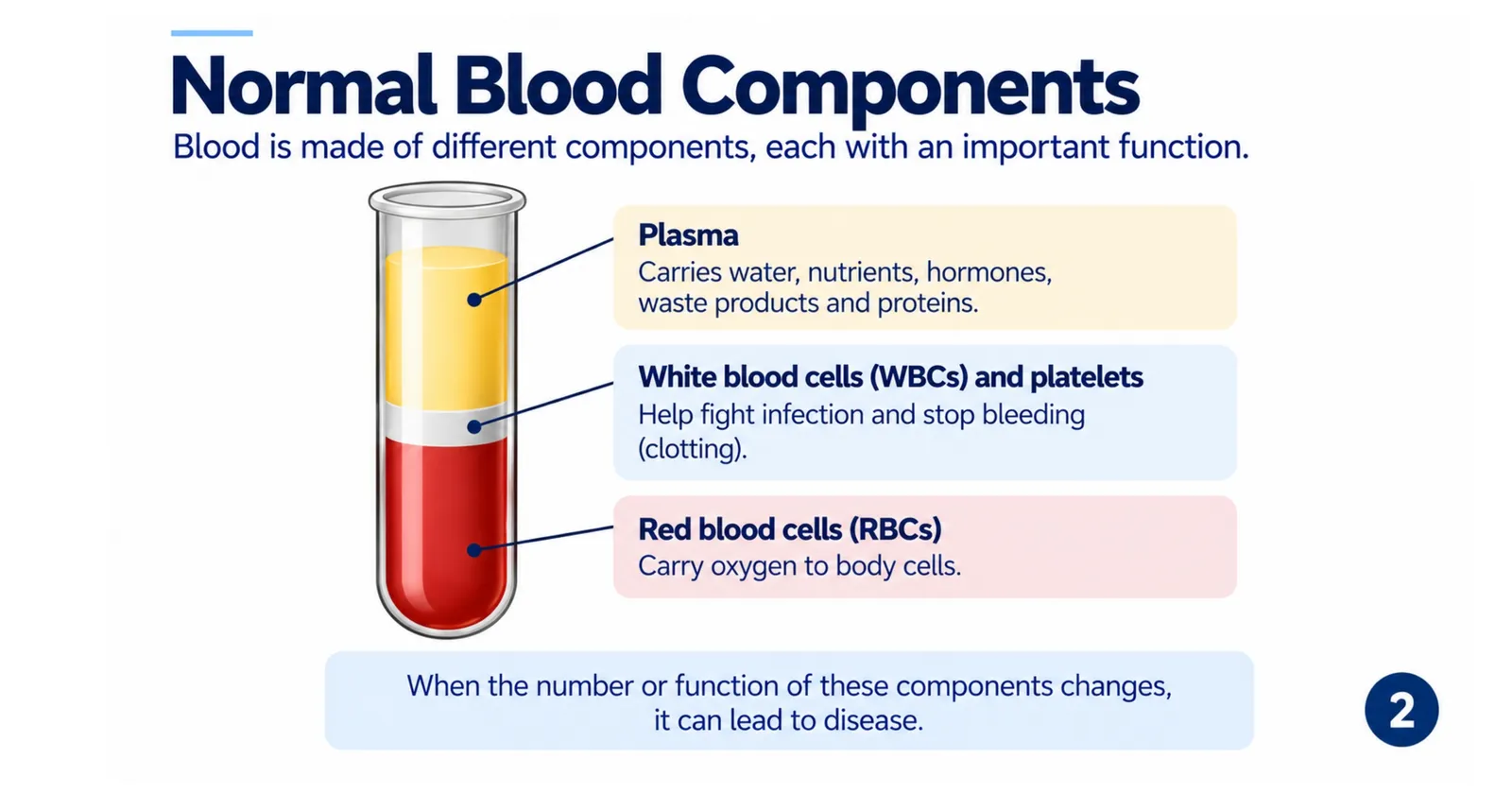
Understanding blood diseases starts with understanding the four main components of blood.
Component
Share of blood
Main job
Plasma
About 55 percent
A yellowish liquid that carries nutrients, hormones, carbon dioxide, urea, proteins and heat
Red blood cells (erythrocytes)
About 45 percent
Carry oxygen using the protein haemoglobin
White blood cells (leucocytes)
Less than 1 percent
Defend the body against pathogens
Platelets (thrombocytes)
Less than 1 percent
Cell fragments that help blood to clot
All blood cells are made from stem cells in the bone marrow, found inside large bones such as the pelvis, sternum and femur. This process is called haematopoiesis. Many blood diseases start with a problem in the bone marrow.
🩸
Slides: What is blood made of?
Components of blood and the diseases that affect them
1/3
Diseases of Red Blood Cells
Anaemia: the most common blood disorder
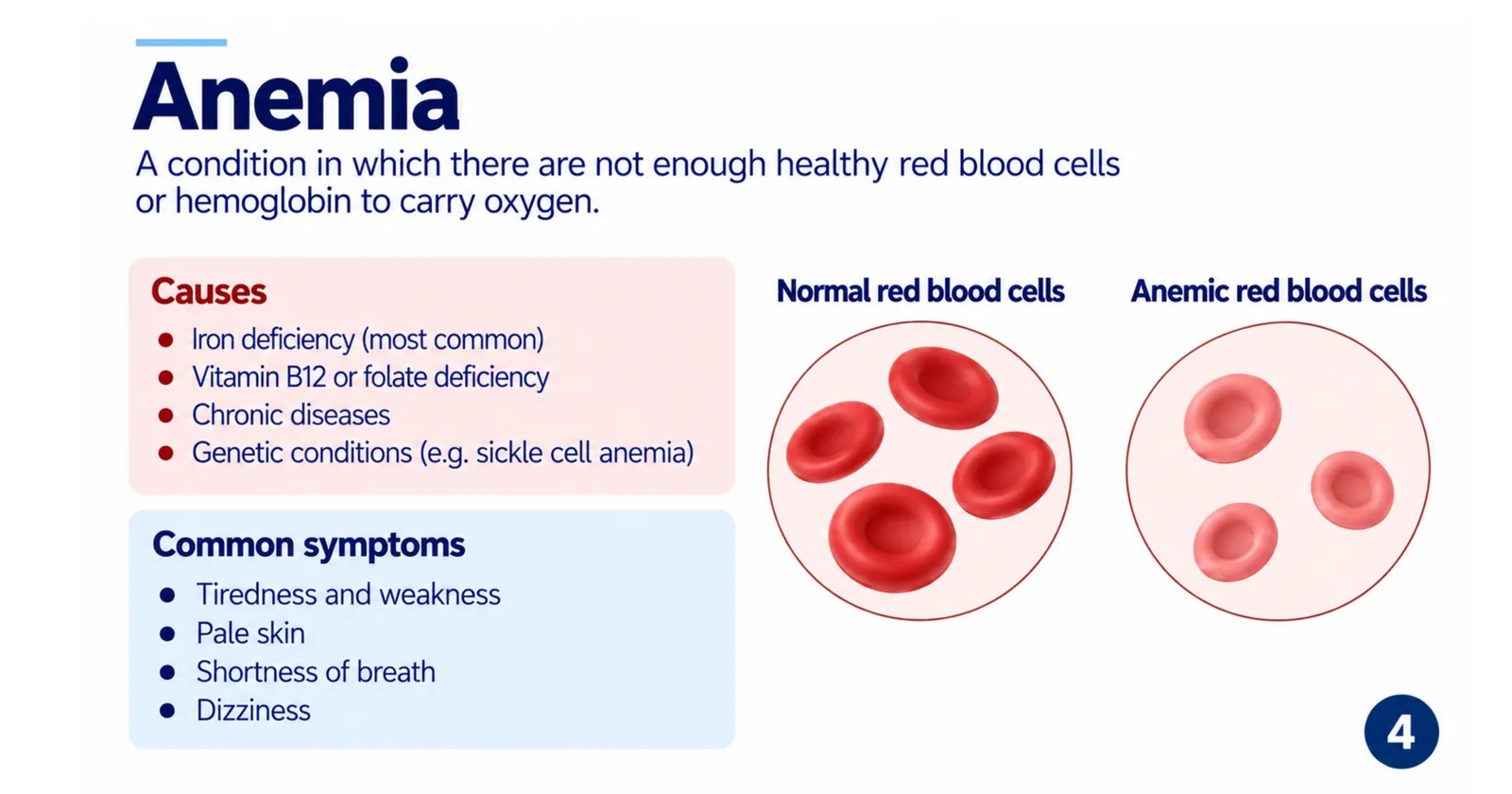
Anaemia means there are too few healthy red blood cells or too little haemoglobin to carry enough oxygen around the body. The World Health Organization estimates that anaemia affects around a quarter of the world's population, making it one of the most widespread health problems on the planet.
Common symptoms of anaemia:
Tiredness and lack of energy
Shortness of breath, especially during exercise
Pale skin, pale inner eyelids and pale nail beds
Dizziness and headaches
A fast or irregular heartbeat
Cold hands and feet
Types of anaemia
Iron deficiency anaemia: the most common type. Iron is needed to make haemoglobin. It can be caused by a diet low in iron, heavy periods, pregnancy or slow bleeding from the gut. It is treated with iron tablets and iron-rich foods such as red meat, beans, lentils, dark green leafy vegetables and fortified cereals. Eating foods rich in vitamin C alongside them helps the body absorb iron.
Vitamin B12 and folate deficiency anaemia: these vitamins are needed to make red blood cells properly. Without them, the bone marrow produces large, immature red blood cells that do not work well. Pernicious anaemia is a form in which the immune system prevents vitamin B12 from being absorbed.
Aplastic anaemia: a rare, serious condition in which the bone marrow stops making enough of all types of blood cells.
Haemolytic anaemia: red blood cells are destroyed faster than the bone marrow can replace them.
🔴
Slide: Anaemia
Causes and common symptoms
1/1
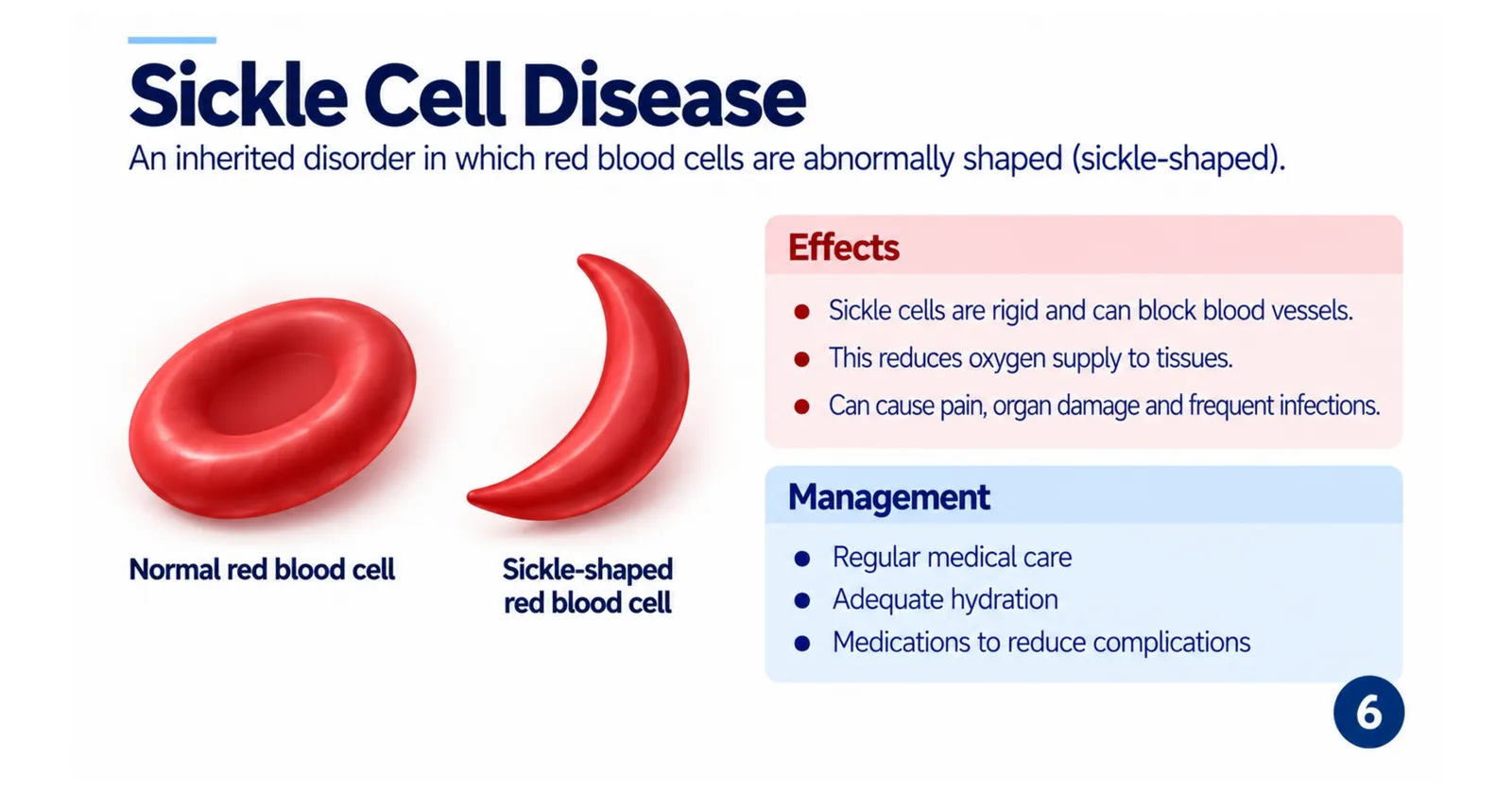
Sickle cell disease
Sickle cell disease is an inherited condition caused by a single mutation in the gene for haemoglobin. The faulty haemoglobin, called haemoglobin S, clumps together when oxygen levels are low. This bends red blood cells from their normal flexible disc shape into a stiff crescent or sickle shape.
Sickle cells cause problems in two ways. First, they die after only 10 to 20 days instead of the normal 120 days, leading to anaemia. Second, they can get stuck in small blood vessels and block blood flow, causing sudden episodes of severe pain called sickle cell crises, as well as infections and organ damage.
Sickle cell disease is inherited in a recessive pattern. A person needs two copies of the faulty allele to have the disease. People with one faulty copy have sickle cell trait; they are usually healthy carriers. Interestingly, carriers have some protection against malaria, which explains why the sickle cell allele is common in parts of Africa, the Middle East and South Asia where malaria is widespread.
Treatments include painkillers, plenty of fluids, antibiotics to prevent infections, the drug hydroxyurea, blood transfusions and, in some cases, bone marrow transplants. New gene therapies have recently been approved in several countries and offer hope of a cure.
🌙
Slide: Sickle cell disease
Why sickle-shaped cells cause problems
1/1
Thalassaemia
Thalassaemia is another inherited disorder in which the body makes too little of one of the chains that form haemoglobin. There are two main types, alpha and beta thalassaemia. Mild forms may cause no symptoms, but severe beta thalassaemia (thalassaemia major) causes serious anaemia from early childhood and needs regular blood transfusions. Frequent transfusions build up too much iron in the body, so patients also need medicines called iron chelators to remove the excess. Thalassaemia is common in South Asia, the Mediterranean, the Middle East and Southeast Asia, and many countries offer carrier screening.
Polycythaemia
Polycythaemia is the opposite of anaemia: the body makes too many red blood cells. The blood becomes thick and flows slowly, increasing the risk of clots, strokes and heart attacks. It can be caused by a bone marrow disorder (polycythaemia vera) or develop as a response to low oxygen, for example in smokers or people living at high altitude.
Diseases of White Blood Cells and Blood Cancers
Leukaemia
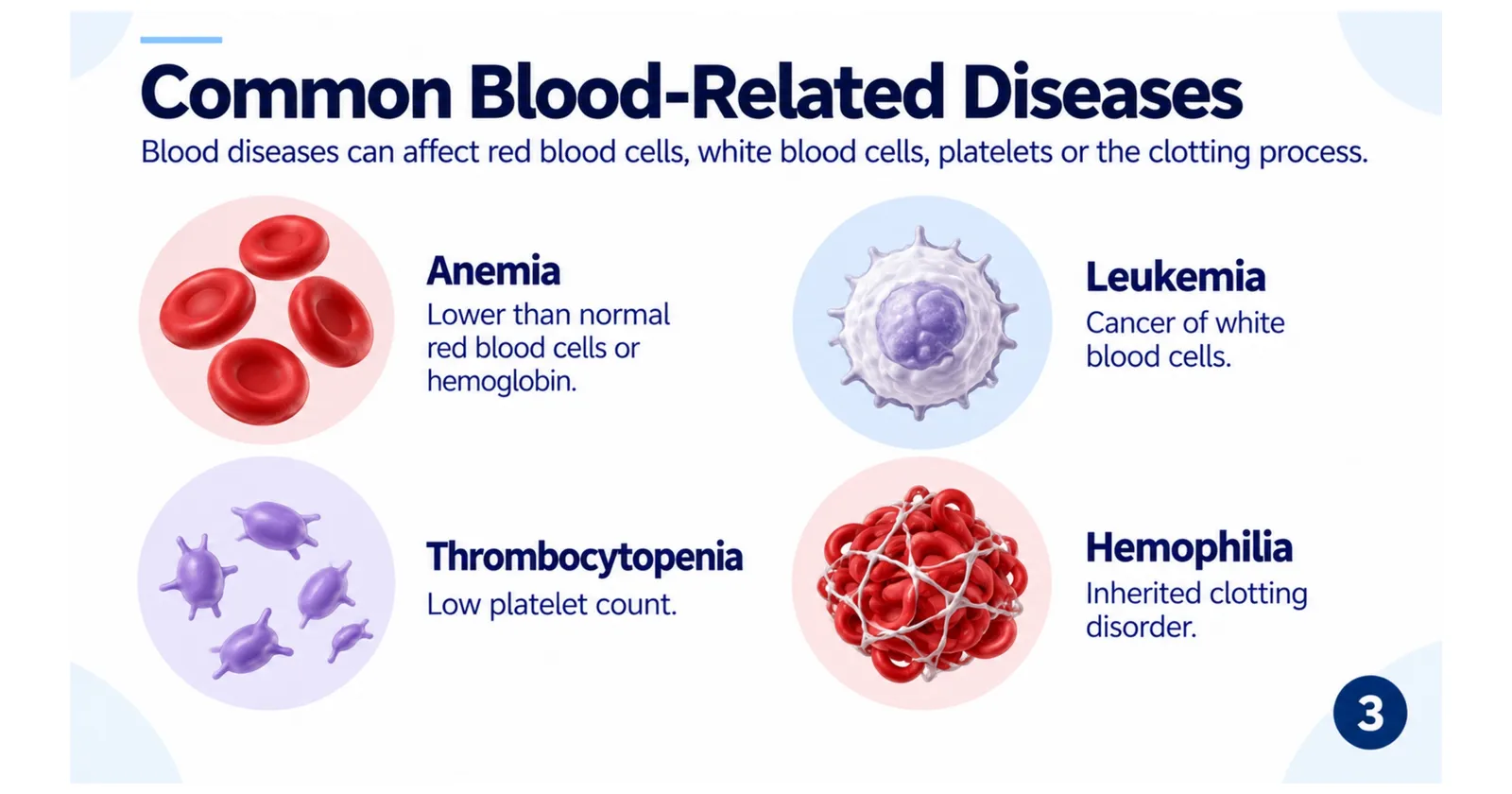
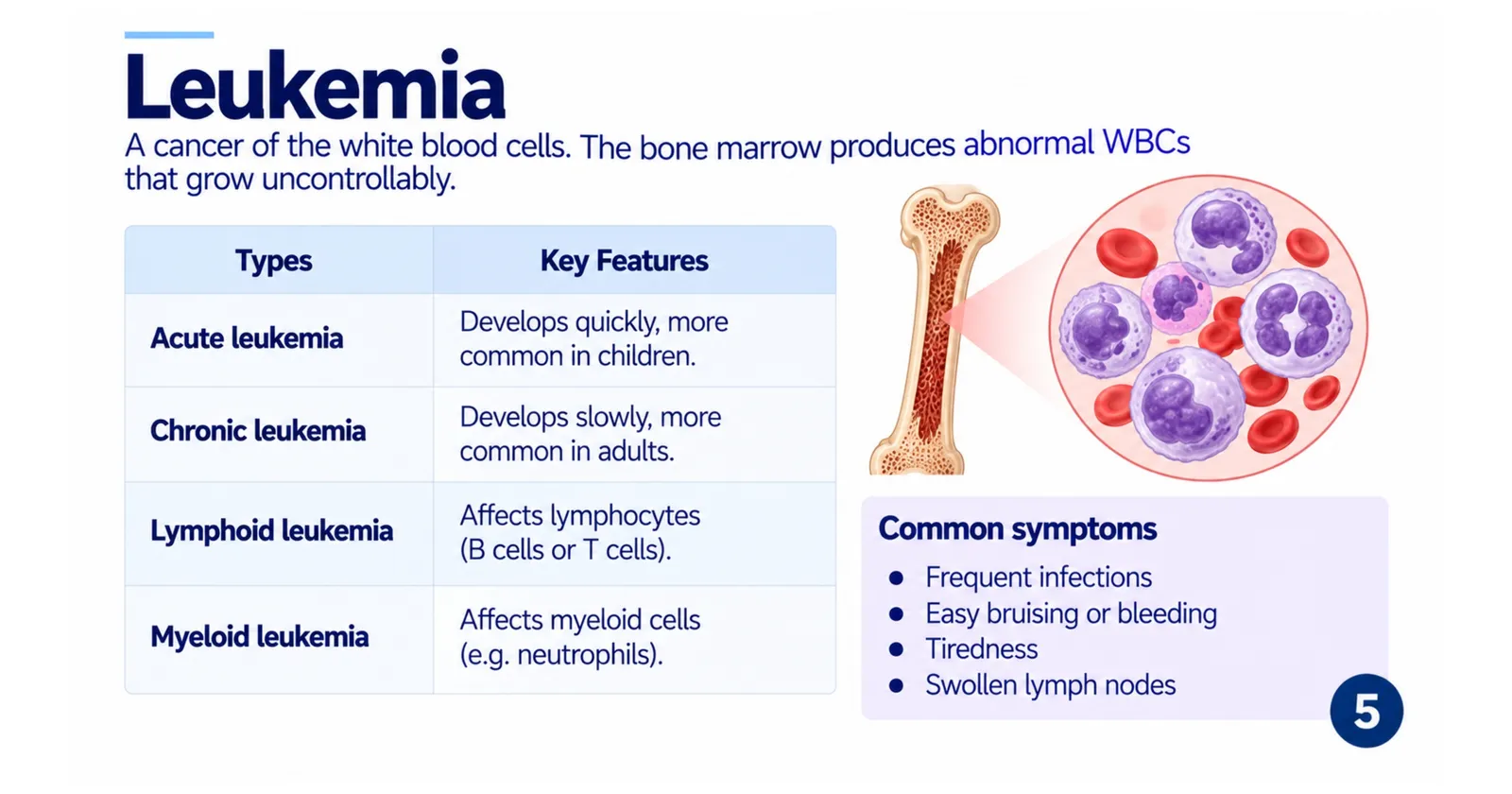
Leukaemia is a cancer of the blood-forming tissues. The bone marrow produces huge numbers of abnormal white blood cells that do not work properly. These cells crowd out healthy blood cells, so patients often have anaemia, frequent infections and easy bruising or bleeding.
There are four main types, depending on how quickly the disease develops (acute or chronic) and which type of white blood cell is affected (lymphoid or myeloid):
Acute lymphoblastic leukaemia (ALL): the most common cancer in children.
Acute myeloid leukaemia (AML): more common in older adults.
Chronic lymphocytic leukaemia (CLL): the most common leukaemia in adults in Western countries; it often develops slowly.
Chronic myeloid leukaemia (CML): usually caused by a specific genetic change called the Philadelphia chromosome.
Warning signs of leukaemia include tiredness, repeated infections, fevers, unexplained bruising, nosebleeds, bleeding gums, swollen lymph nodes, bone pain and unexplained weight loss. Treatment may include chemotherapy, targeted drugs, radiotherapy, stem cell transplants and newer immunotherapies such as CAR T-cell therapy. Survival rates, especially for children with ALL, have improved dramatically over the past few decades.
🧫
Slide: Leukaemia
Types of leukaemia and common symptoms
1/1
Lymphoma
Lymphoma is a cancer of lymphocytes, a type of white blood cell found in the lymphatic system. It usually starts in the lymph nodes. The two main types are Hodgkin lymphoma and non-Hodgkin lymphoma. The most common sign is a painless swelling in the neck, armpit or groin. Other symptoms include night sweats, fever and weight loss.
Multiple myeloma
Myeloma is a cancer of plasma cells, the white blood cells that make antibodies. Abnormal plasma cells build up in the bone marrow, weakening the bones and causing bone pain, fractures, kidney problems and repeated infections. It mainly affects older adults.
Neutropenia
Neutropenia means having too few neutrophils, the white blood cells that are the body's first line of defence against bacteria. It can be caused by chemotherapy, some medicines, infections or bone marrow disorders. People with neutropenia are at high risk of serious infections.
Bleeding and Clotting Disorders
Blood clotting is a carefully balanced process. Blood must clot quickly when a vessel is damaged, but it must not clot inside healthy vessels. Problems can tip the balance either way.
How blood clotting works
When a blood vessel is damaged, platelets stick to the wound and release chemicals. A chain of reactions involving clotting factors converts the soluble protein fibrinogen into insoluble fibrin. Fibrin forms a mesh of threads that traps red blood cells and platelets, forming a clot that seals the wound and later becomes a scab.
Haemophilia
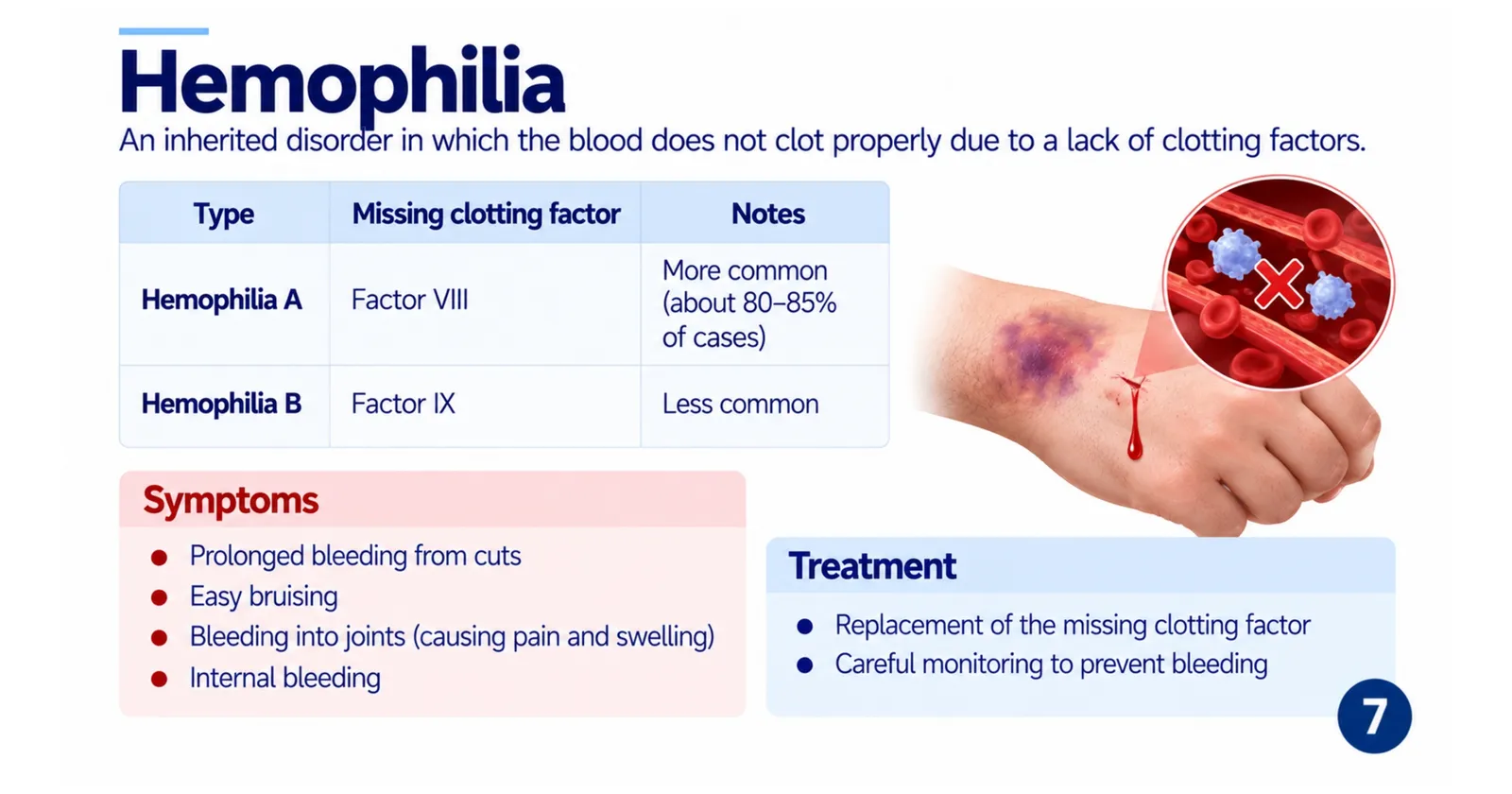
Haemophilia is an inherited condition in which the blood does not clot properly because a clotting factor is missing or does not work. Haemophilia A is caused by a lack of clotting factor VIII, and haemophilia B by a lack of factor IX. People with haemophilia may bleed for a long time after injuries, surgery or dental work, and may suffer internal bleeding into joints and muscles.
Haemophilia is a sex-linked disorder, because the genes for factors VIII and IX are carried on the X chromosome. Males have only one X chromosome, so a single faulty allele causes the disease. Females have two X chromosomes, so they are usually carriers. This is why haemophilia is far more common in males. Haemophilia is famous as the "royal disease" because it spread through several European royal families descended from Queen Victoria. Today it is treated with regular injections of the missing clotting factor, and gene therapies are becoming available.
🩹
Slide: Haemophilia
Missing clotting factors, symptoms and treatment
1/1
Von Willebrand disease
This is the most common inherited bleeding disorder. It affects a protein called von Willebrand factor that helps platelets stick together. It often causes nosebleeds, easy bruising and heavy periods, and it affects both males and females.
Thrombocytopenia
Thrombocytopenia means a low platelet count. It can cause easy bruising, tiny red or purple spots on the skin called petechiae, and prolonged bleeding. It can be caused by infections such as dengue fever, some medicines, leukaemia or autoimmune conditions.
Thrombosis: when blood clots too easily
A thrombus is a blood clot that forms inside a blood vessel. Deep vein thrombosis (DVT) is a clot in a deep vein, usually in the leg, causing pain, swelling and redness. If part of the clot breaks off and travels to the lungs, it causes a pulmonary embolism, which can be life-threatening. Risk factors include long periods without moving (such as long flights or bed rest), surgery, pregnancy, smoking, obesity and some contraceptive pills. Clots are treated with anticoagulant medicines, often called blood thinners.
🧬
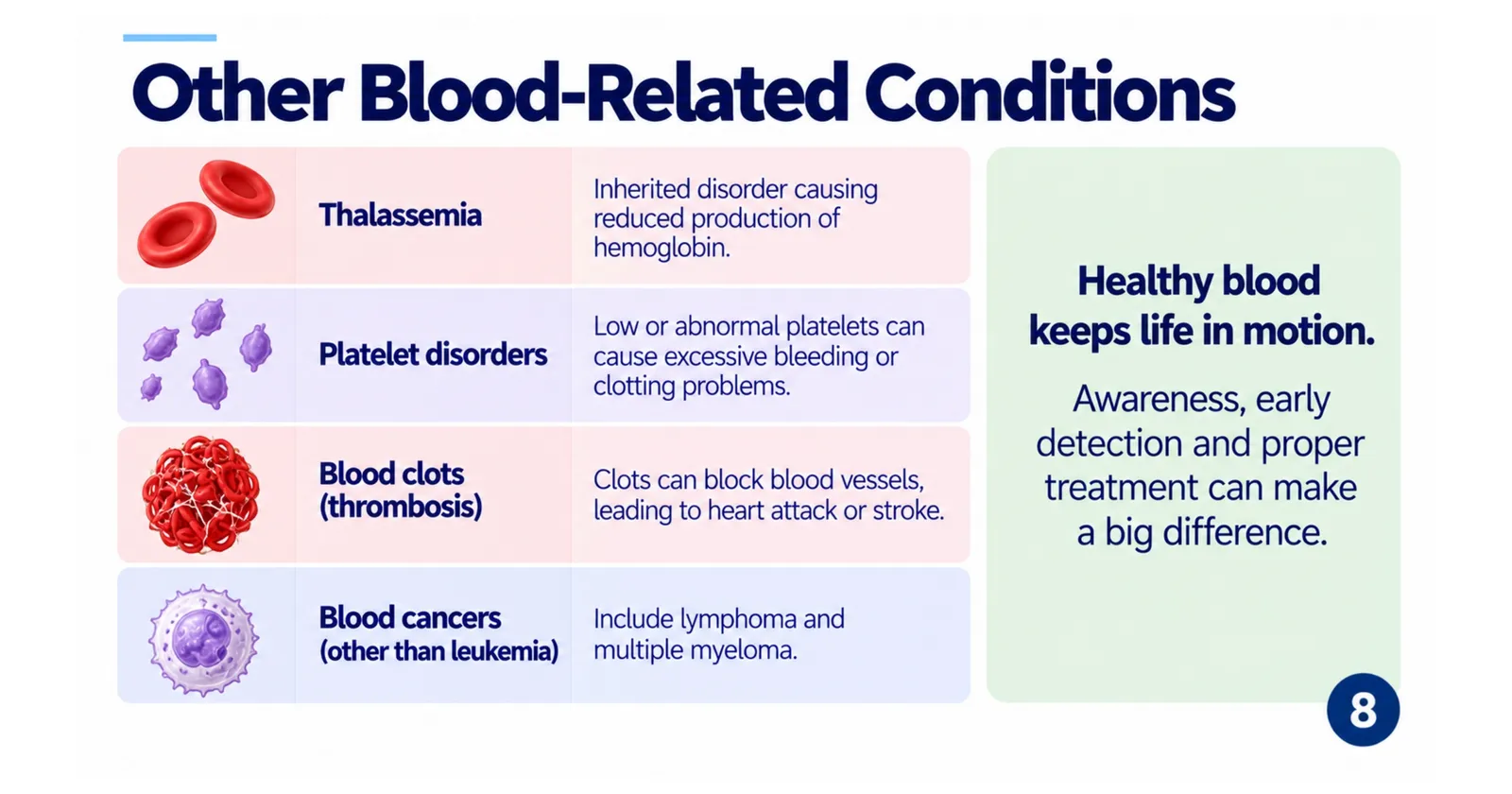
Slide: Other blood-related conditions
Thalassaemia, platelet disorders, clots and blood cancers
1/1
Blood-Borne Infections
Some serious infections are carried in the blood. Malaria is caused by a parasite, spread by mosquitoes, that invades and destroys red blood cells. HIV attacks helper T cells, weakening the immune system. Hepatitis B and C are viruses spread through infected blood that damage the liver. Screening donated blood for these infections keeps blood transfusions safe.
How Are Blood Diseases Diagnosed?
Full blood count (FBC or CBC): measures the numbers of red cells, white cells and platelets, and the haemoglobin level. This is usually the first test.
Blood smear (blood film): blood is examined under a microscope to look at the shape and size of cells, for example sickle cells.
Iron studies and vitamin levels: check for deficiencies.
Clotting tests: measure how long blood takes to clot.
Haemoglobin electrophoresis: identifies abnormal types of haemoglobin in sickle cell disease and thalassaemia.
Bone marrow biopsy: a sample of bone marrow is examined to diagnose leukaemia and other marrow disorders.
Can Blood Diseases Be Prevented?
Inherited disorders cannot be prevented, but genetic counselling and carrier screening help families understand their risks. Many other blood problems can be reduced by:
Eating a balanced diet rich in iron, vitamin B12 and folate
Staying active and avoiding long periods of sitting still
Not smoking
Protecting yourself from mosquito bites in malaria areas
Getting vaccinated against hepatitis B
Attending regular health check-ups
Frequently Asked Questions About Blood Diseases
What is the most common blood disease?
Iron deficiency anaemia is the most common blood disorder in the world.
Is leukaemia the same as blood cancer?
Leukaemia is one type of blood cancer. Lymphoma and myeloma are the other main types.
Why does haemophilia mostly affect boys?
The faulty gene is on the X chromosome. Boys have only one X chromosome, so one faulty copy is enough to cause the condition.
Can you donate blood if you have sickle cell trait?
In many countries people with sickle cell trait can donate blood, but the rules vary, so check with your local blood service.
Key Takeaways
Blood is made of plasma, red blood cells, white blood cells and platelets, all produced in the bone marrow.
Anaemia is the most common blood disorder and is often caused by iron deficiency.
Sickle cell disease and thalassaemia are inherited disorders of haemoglobin.
Haemophilia is a sex-linked bleeding disorder, while thrombosis is caused by unwanted clots.
Leukaemia, lymphoma and myeloma are the main blood cancers.
White blood cells play a starring role in keeping you healthy. Continue with our guide to human immunity to learn how your blood defends you against disease every day.
🗂️ Revision Flashcards
Tap a card to reveal the answer.
🎯 Quick Quiz
8 questions. Pick an answer to check it straight away.
1About what share of blood is plasma?
Plasma is about 55 percent of blood; red blood cells are about 45 percent.
2Where are all blood cells made?
All blood cells are made from stem cells in the bone marrow.
3Which is the most common blood disorder in the world?
The FAQ states iron deficiency anaemia is the most common blood disorder.
4How long do sickle cells survive compared with normal red blood cells?
Sickle cells die after only 10 to 20 days instead of the normal 120 days, leading to anaemia.
5Why is haemophilia far more common in males?
Haemophilia is sex-linked: one faulty allele on a male's single X chromosome causes the disease.
6Polycythaemia means the body makes…
Polycythaemia is the opposite of anaemia: too many red blood cells, so the blood becomes thick.
7Which cells does lymphoma affect?
Lymphoma is a cancer of lymphocytes, usually starting in the lymph nodes.
8Which test is usually the first one used for blood diseases?
A full blood count measures red cells, white cells, platelets and haemoglobin, and is usually the first test.