🌿 Lesson: Plant Cell Organelles
Navigate through the slides to learn about each part of a plant cell
🎮 Interactive Games
Test your knowledge with fun interactive games
🧠 Memory Match Game
Match each organelle with its function. Click cards to flip!
🔬 Organelle Sorting Game
Drag each organelle to its correct category based on function
📦 Organelles to Sort
🌞 Energy & Food
🏭 Processing & Transport
🏠 Structure & Storage
📝 Knowledge Quiz
Test your understanding of plant cell organelles
🌱 Plant Cell Quiz
Answer questions about plant cell parts and their functions
🌱 Plant Cell Structure: Every Part and What It Does
What is a plant cell?
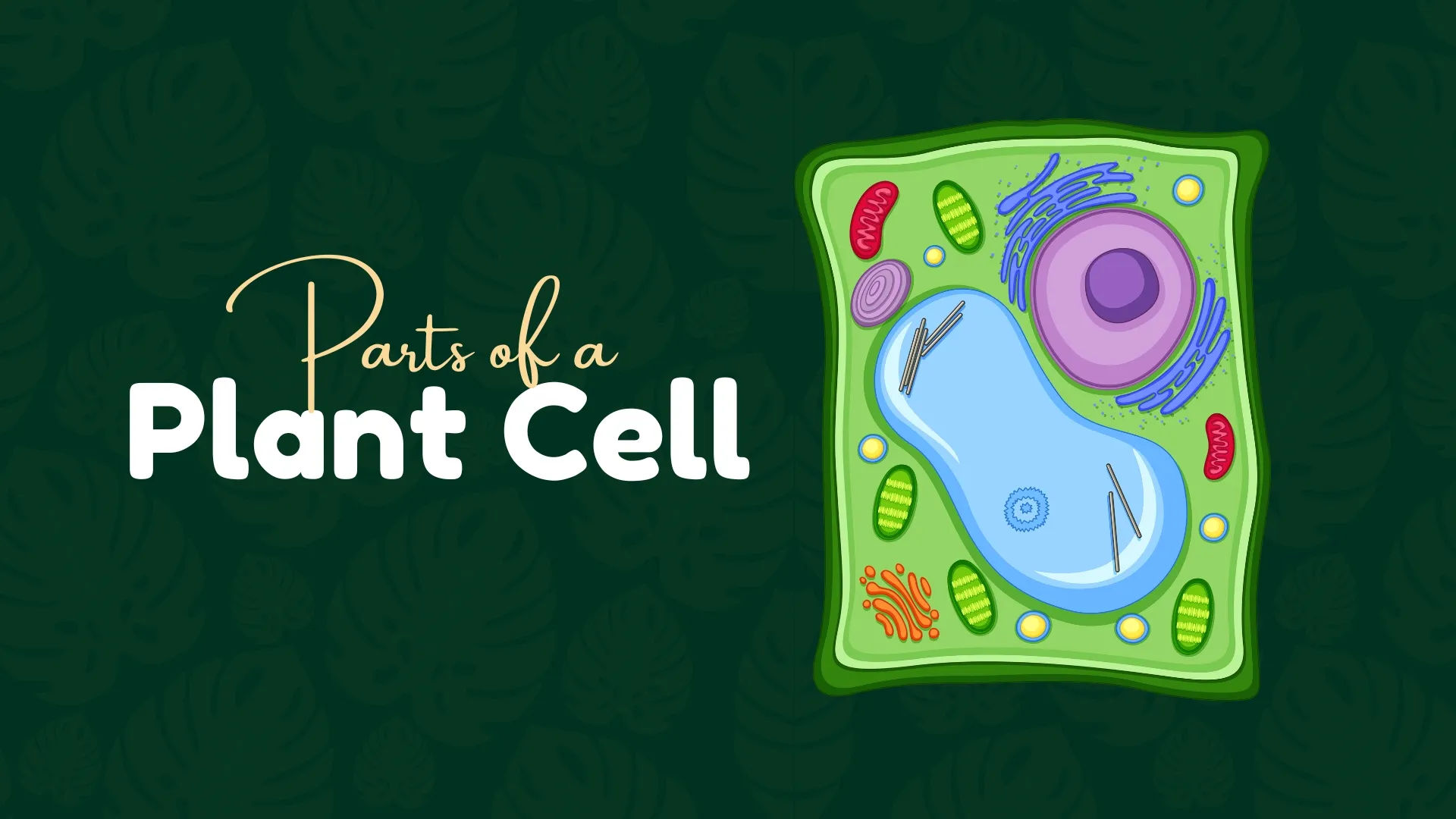
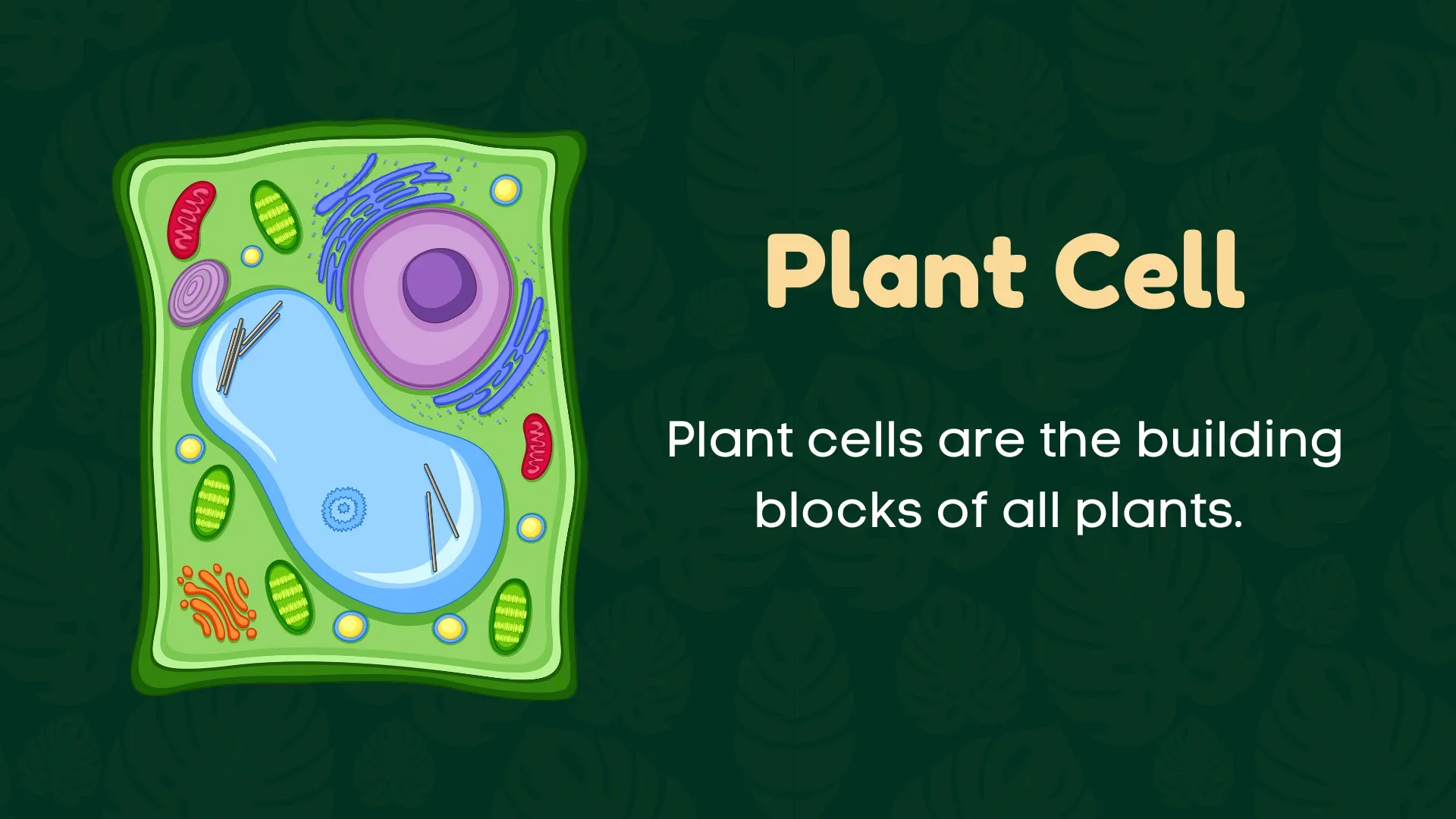
A plant cell is the basic unit of structure in every plant, from moss to an oak tree. Like an animal cell it is eukaryotic: its DNA is held inside a nucleus and its working parts are packaged into compartments called organelles. Under a microscope plant cells look noticeably tidier than animal cells — regular and box-like, packed together like bricks — because each one is held inside a rigid wall.
A plant cell contains everything an animal cell contains, plus three extra features of its own: a cellulose cell wall, chloroplasts and a large permanent vacuole. Those three are what the exam questions are almost always about, so they are covered in full below.
Cell wall
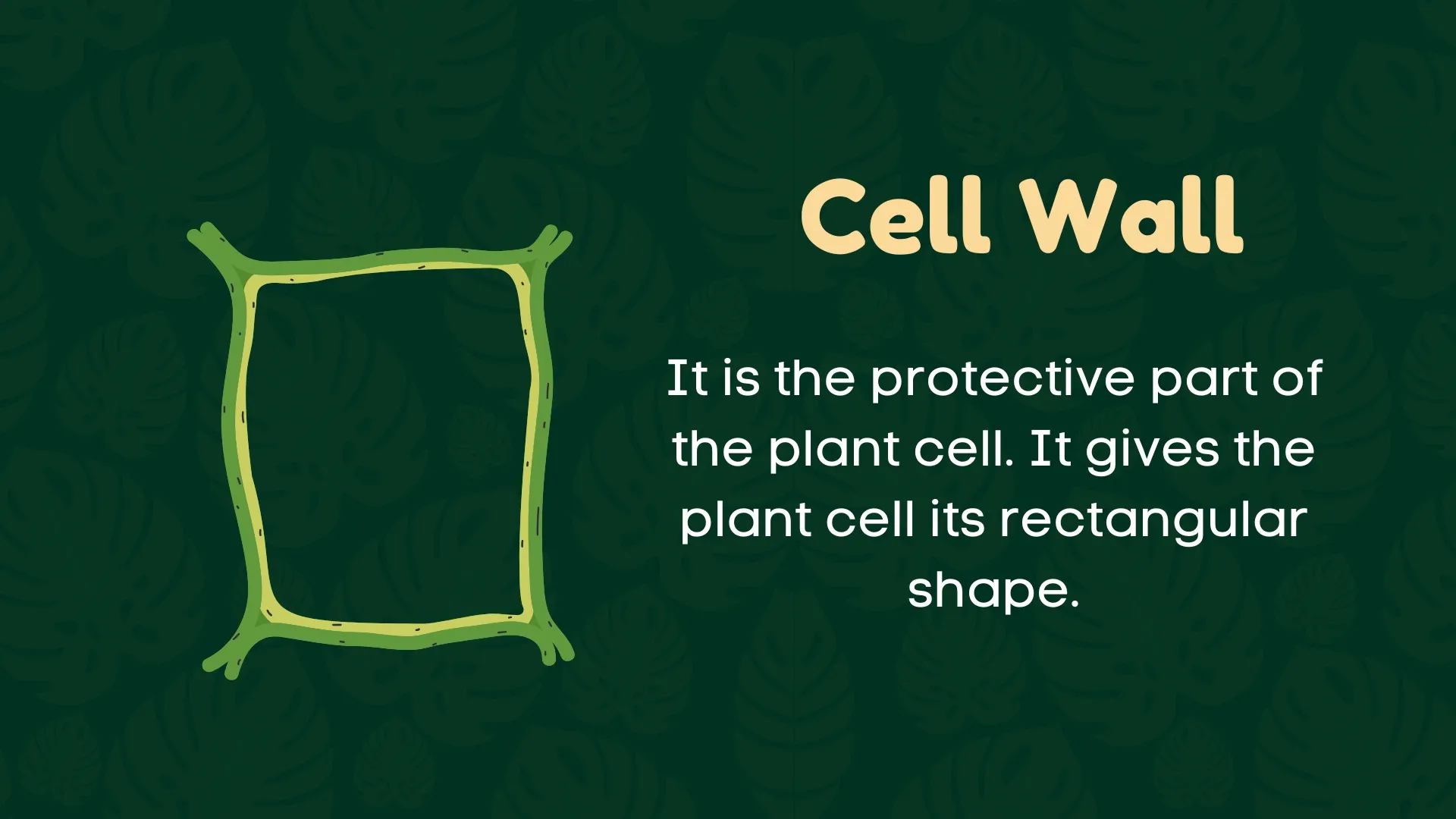
The cell wall is the rigid outer layer that sits outside the cell membrane. In plants it is made of cellulose, a carbohydrate built from long chains of glucose laid down in criss-crossing fibres. Its job is to support and strengthen the cell and keep its shape, and to stop the cell bursting when water moves into it.
Two points are worth getting right. First, the cell wall is fully permeable — water and dissolved substances pass straight through it — so it is the cell membrane underneath, not the wall, that controls what actually enters the cell. Second, cellulose is the plant answer only: fungi also have cell walls, but theirs are made of chitin, not cellulose. Writing "chitin" in a plant cell answer loses the mark.
Cell membrane
Just inside the wall lies the cell membrane, a thin partially permeable layer. It controls what enters and leaves the cell, letting some substances through while holding others back. Plant and animal cells have exactly the same kind of membrane; the difference is only that in a plant it is pressed up against a wall.
Cytoplasm
The cytoplasm is the jelly-like fluid that holds the organelles in place and is where most of the cell's chemical reactions happen. In a mature plant cell the huge vacuole squashes the cytoplasm into a thin layer lining the wall, which is why the chloroplasts in a leaf cell appear to sit around the edge.
Nucleus
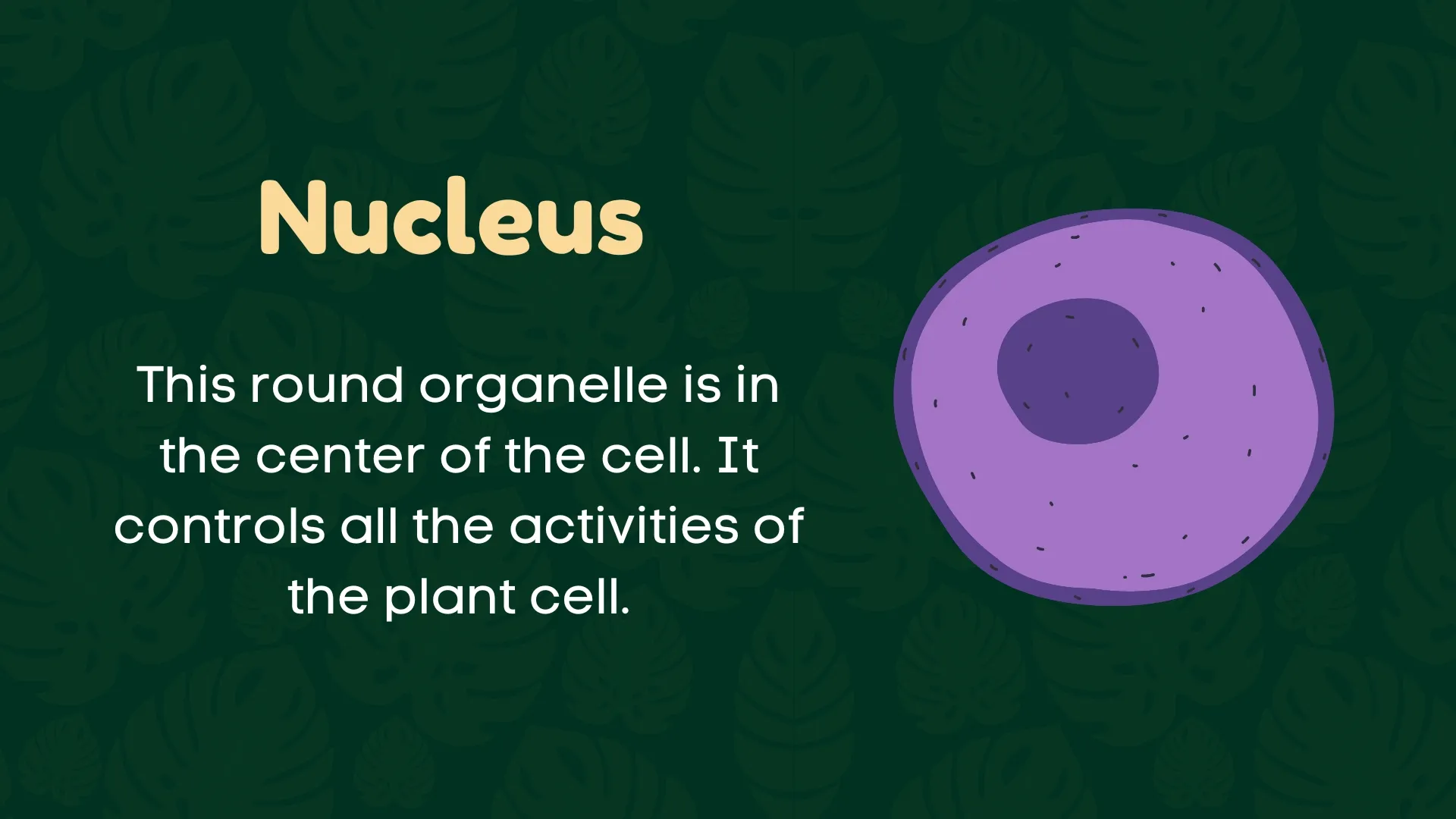
The nucleus contains the cell's DNA, packaged into chromosomes, and controls the activities of the cell by determining which proteins are made. It is wrapped in a nuclear envelope with pores that let instructions out into the cytoplasm. In a mature plant cell it is usually pushed to one side by the vacuole rather than sitting in the centre.
Chloroplasts
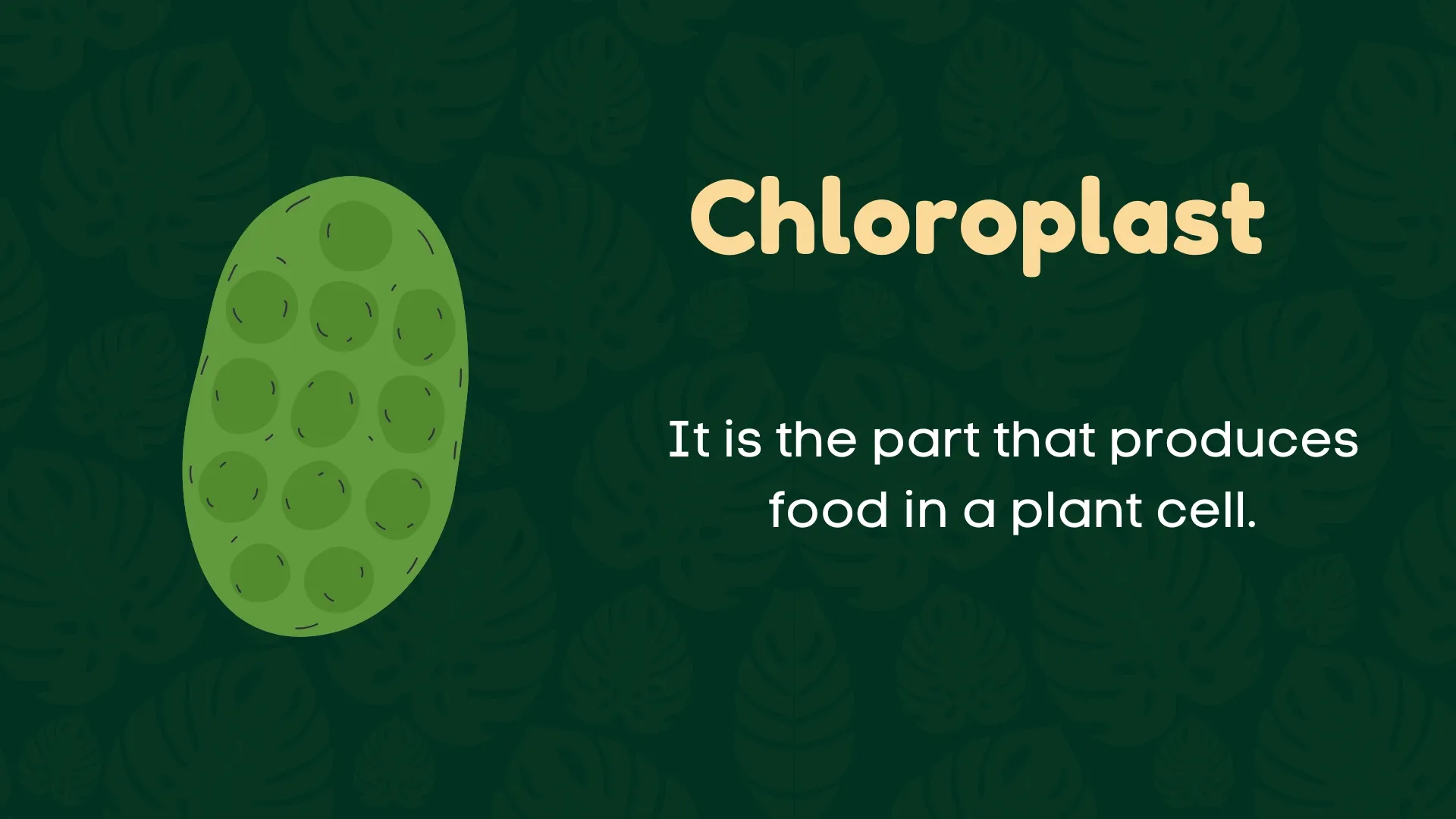
Chloroplasts are the green, disc-shaped organelles that make a plant cell a plant cell. They contain the green pigment chlorophyll, which absorbs light energy, and they are the site of photosynthesis — the reaction in which carbon dioxide and water are converted into glucose, with oxygen given off. Inside, stacks of flattened membrane discs give chlorophyll a very large surface area to catch light.
Not every plant cell has them. Chloroplasts are found in the cells of leaves and green stems, where light reaches; root hair cells have none, because underground there is no light to absorb. Glucose the chloroplasts make that is not used straight away is stored as starch, which is why iodine solution turns blue-black on a leaf that has been photosynthesising.
Permanent vacuole
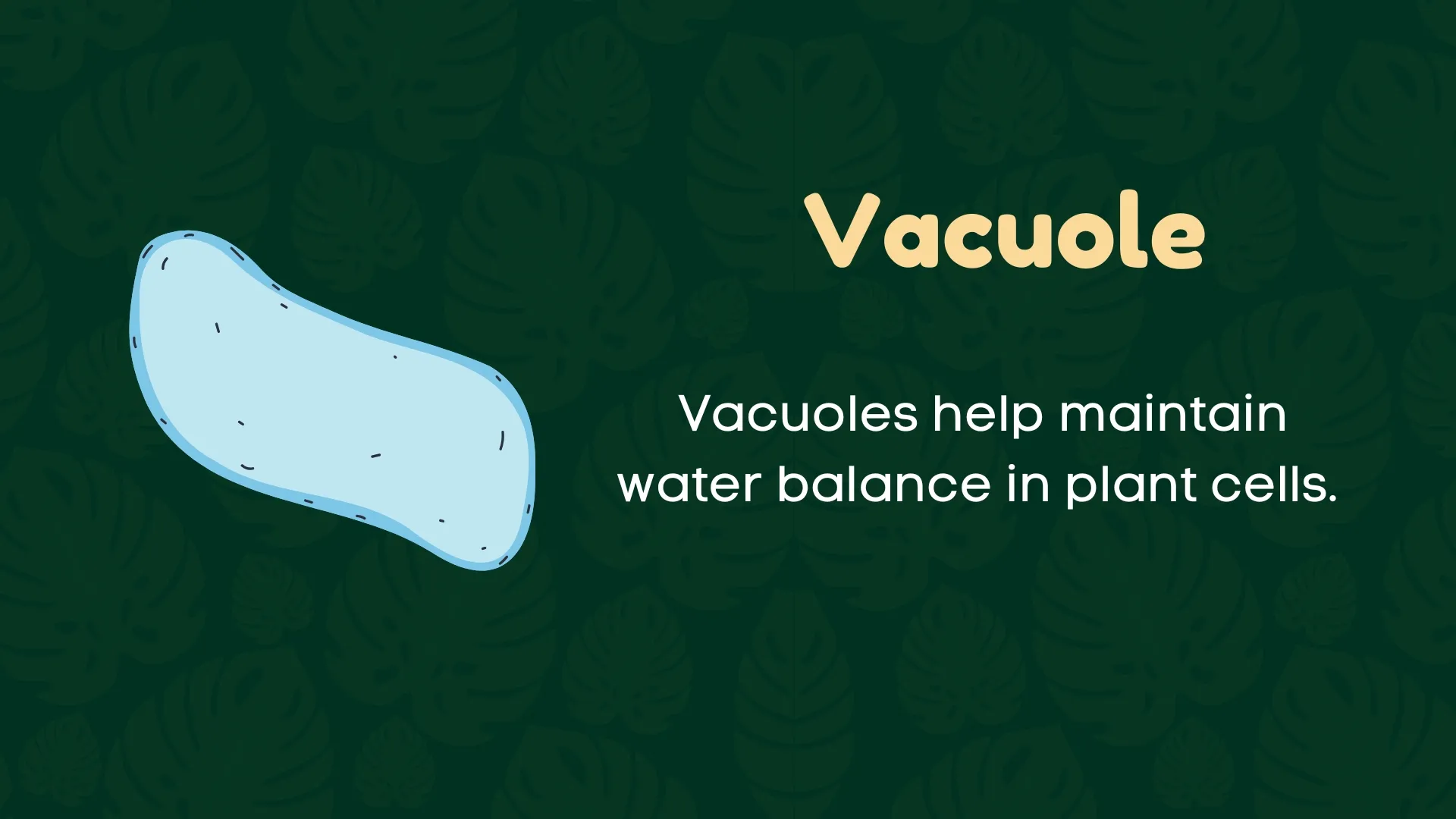
A mature plant cell has one large permanent vacuole that can fill most of the middle of the cell. It is a sac enclosed by its own membrane and filled with cell sap, a solution of sugars, salts and other dissolved substances in water.
Its function is storage and support. As it fills with water it presses the cytoplasm outwards against the cell wall, and the wall pushes back. That inward push is called turgor pressure, and it is what makes a plant cell firm, or turgid. Turgid cells pressing against one another are what hold up a non-woody plant such as a daffodil. When a plant loses more water than it takes in, the vacuoles shrink, the cells go flaccid and the plant wilts. Animal cells have no equivalent structure — only small, temporary vacuoles.
Mitochondria
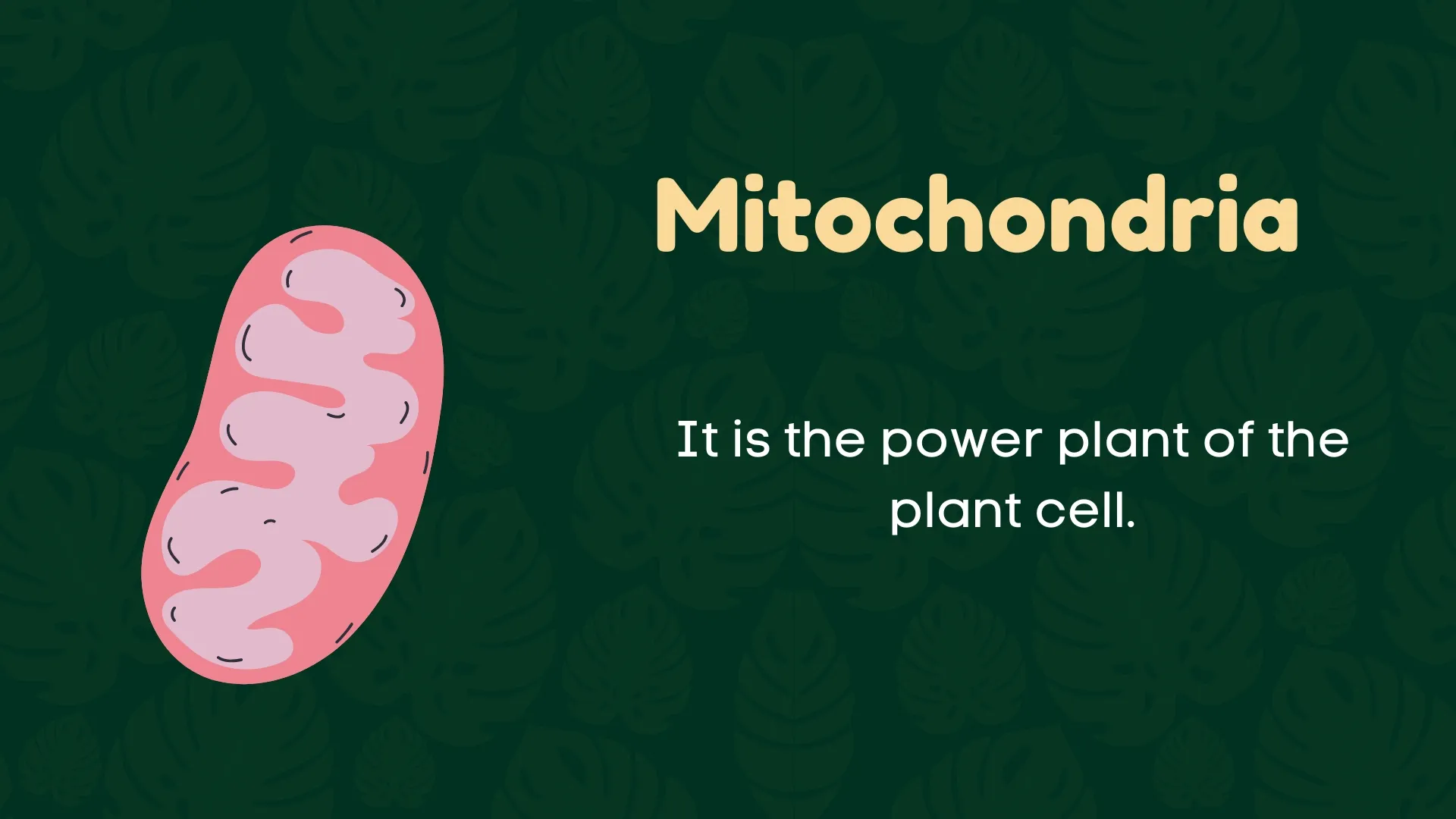
Mitochondria are the site of aerobic respiration. They do not make or create energy; they release the energy stored in glucose and transfer it to ATP for the cell to use. Plants have them for the same reason animals do: photosynthesis captures energy into glucose, but that glucose still has to be respired before a cell can spend it. Plants respire all the time, day and night — a very common misconception is that they only photosynthesise.
Ribosomes, endoplasmic reticulum and Golgi apparatus
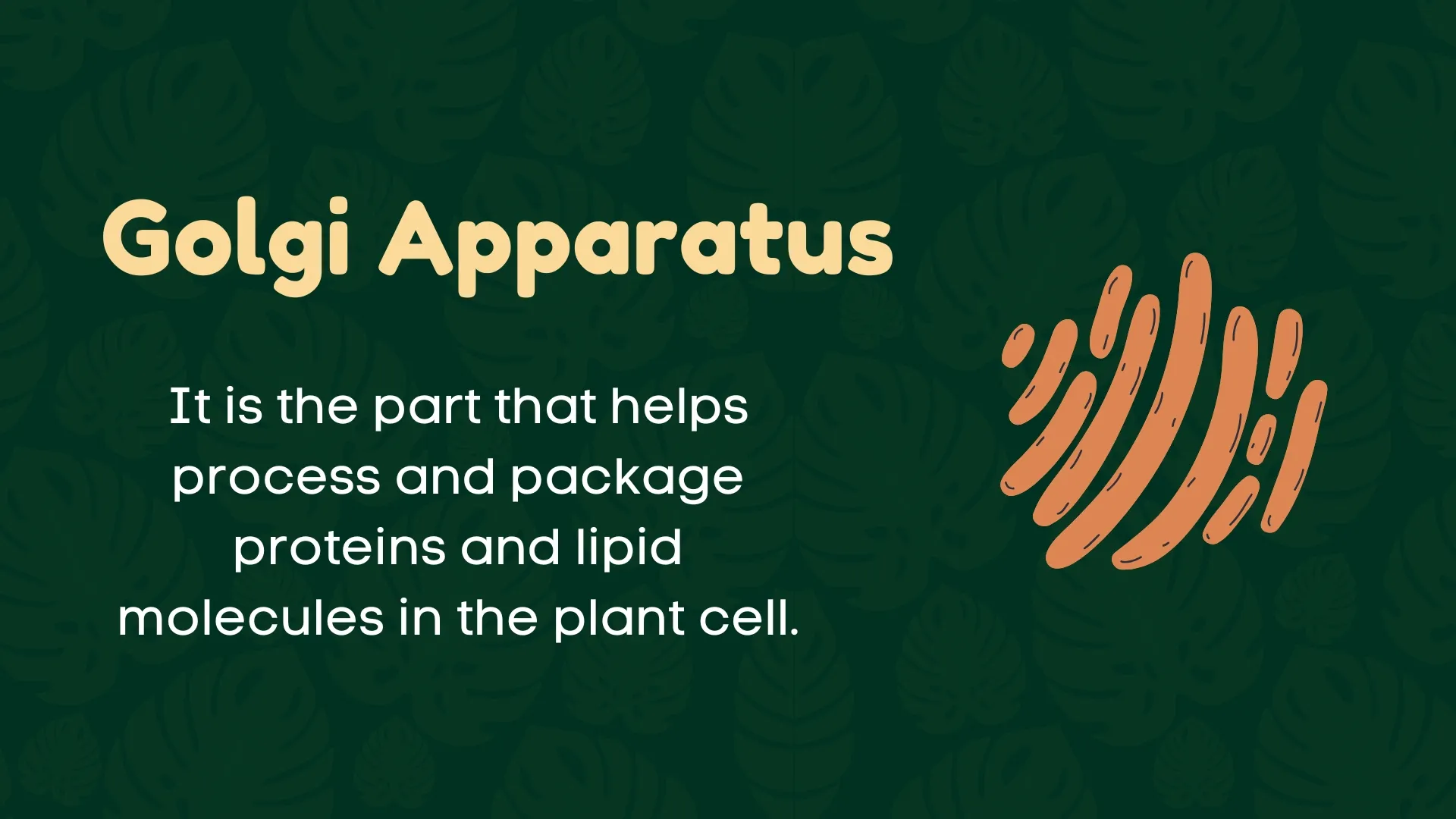
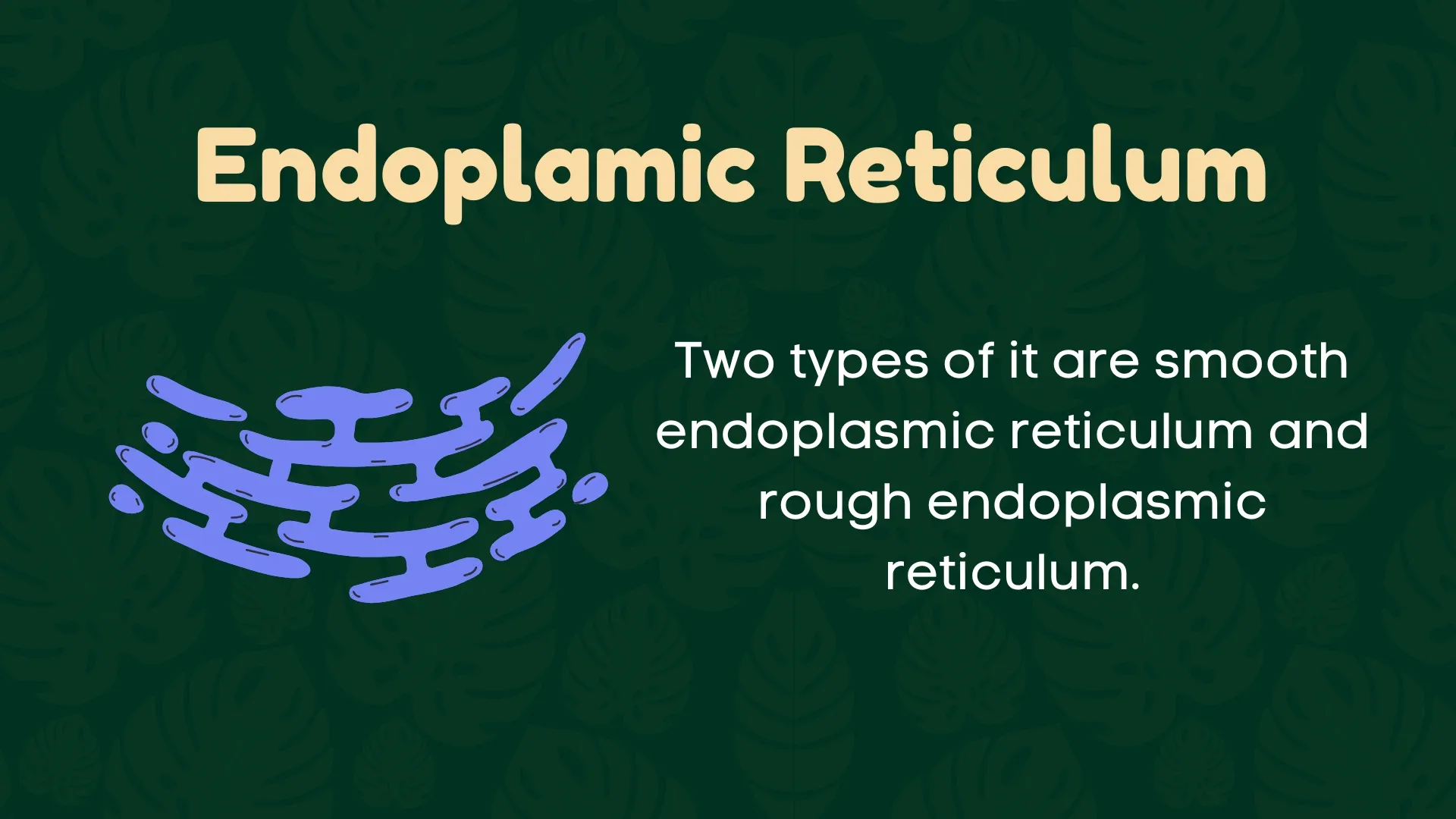
Ribosomes are the site of protein synthesis; they read the instructions copied from a gene and join amino acids together in the right order. They are not enclosed by a membrane, and are either free in the cytoplasm or attached to the endoplasmic reticulum, a network of folded membranes that folds and transports proteins (rough ER, with ribosomes) and makes lipids (smooth ER, without). The Golgi apparatus, a stack of flattened sacs, then modifies, sorts and packages those proteins into vesicles and sends them where they are needed. In a plant cell the Golgi apparatus also assembles material for the cell wall.
The three features only plant cells have
- Cellulose cell wall — supports and strengthens the cell, keeps its shape and stops it bursting. Animal cells have none.
- Chloroplasts — contain chlorophyll and are the site of photosynthesis, so a plant can make its own food. Animal cells cannot photosynthesise.
- Large permanent vacuole — filled with cell sap; it stores substances and keeps the cell turgid. Animal cells have only small, temporary vacuoles.
How to answer questions on the parts of a plant cell
- Name the material, not just the part. "The cell wall supports the cell" gains more credit when you add that it is made of cellulose.
- Wall and membrane are two different things. The wall is rigid and fully permeable; the membrane is thin, flexible and partially permeable, and it is the membrane that controls entry.
- Chloroplasts are where photosynthesis happens, and mitochondria are where aerobic respiration happens. Neither one "makes energy".
- Explain-why questions want a link. Root hair cells have no chloroplasts because no light reaches them; palisade cells near the top of a leaf have the most because they receive the most light.
Key terms
- Cellulose
- The carbohydrate a plant cell wall is built from. Fungal walls are made of chitin instead.
- Chlorophyll
- The green pigment inside chloroplasts that absorbs light energy for photosynthesis.
- Cell sap
- The solution of sugars, salts and water that fills the permanent vacuole.
- Turgid
- Firm and swollen, because the vacuole is full of water and pressing outwards on the cell wall.
- Flaccid
- Limp, because the cell has lost water and the vacuole is no longer pressing on the wall.
- Fully permeable
- Lets all small substances pass through, as the cell wall does.
- Partially permeable
- Lets some substances through but not others, as the cell membrane does.
- Organelle
- A structure inside a cell that carries out a particular job.