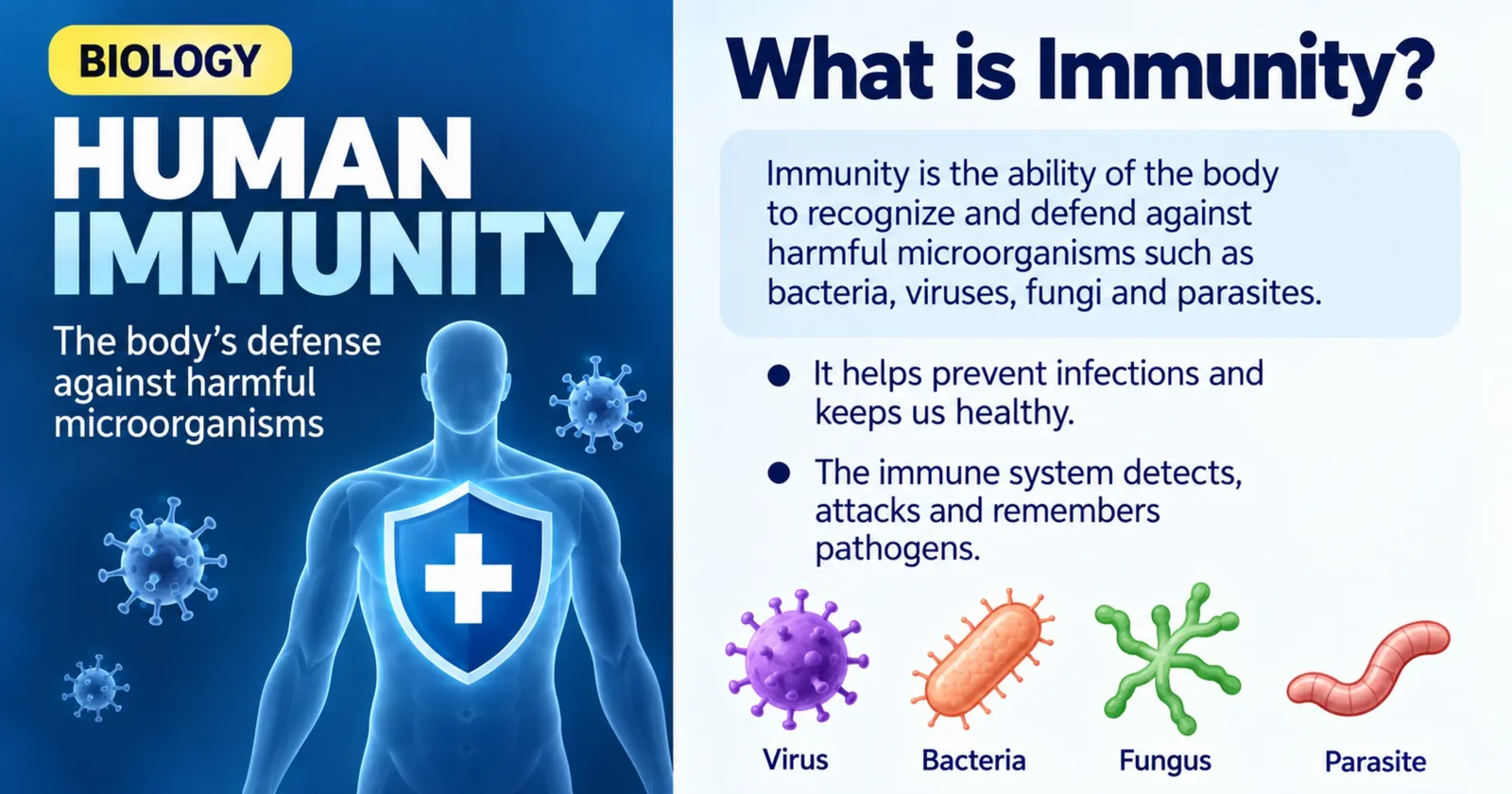
Every day you breathe in, touch and swallow millions of microbes. Some are harmless, but others are pathogens: bacteria, viruses, fungi and parasites that can cause disease. Yet most of the time you stay healthy. That is thanks to your immune system, an extraordinary defence network of barriers, cells and chemicals that recognises invaders, destroys them and remembers them for years. In this guide we explain how your immune system works, from the first line of defence to antibodies and vaccines, and share practical ways to keep it strong.
📖 Lesson
Barriers, phagocytes, B and T cells, antibodies, immune memory and vaccines: how your body fights off disease.
What Is the Immune System?
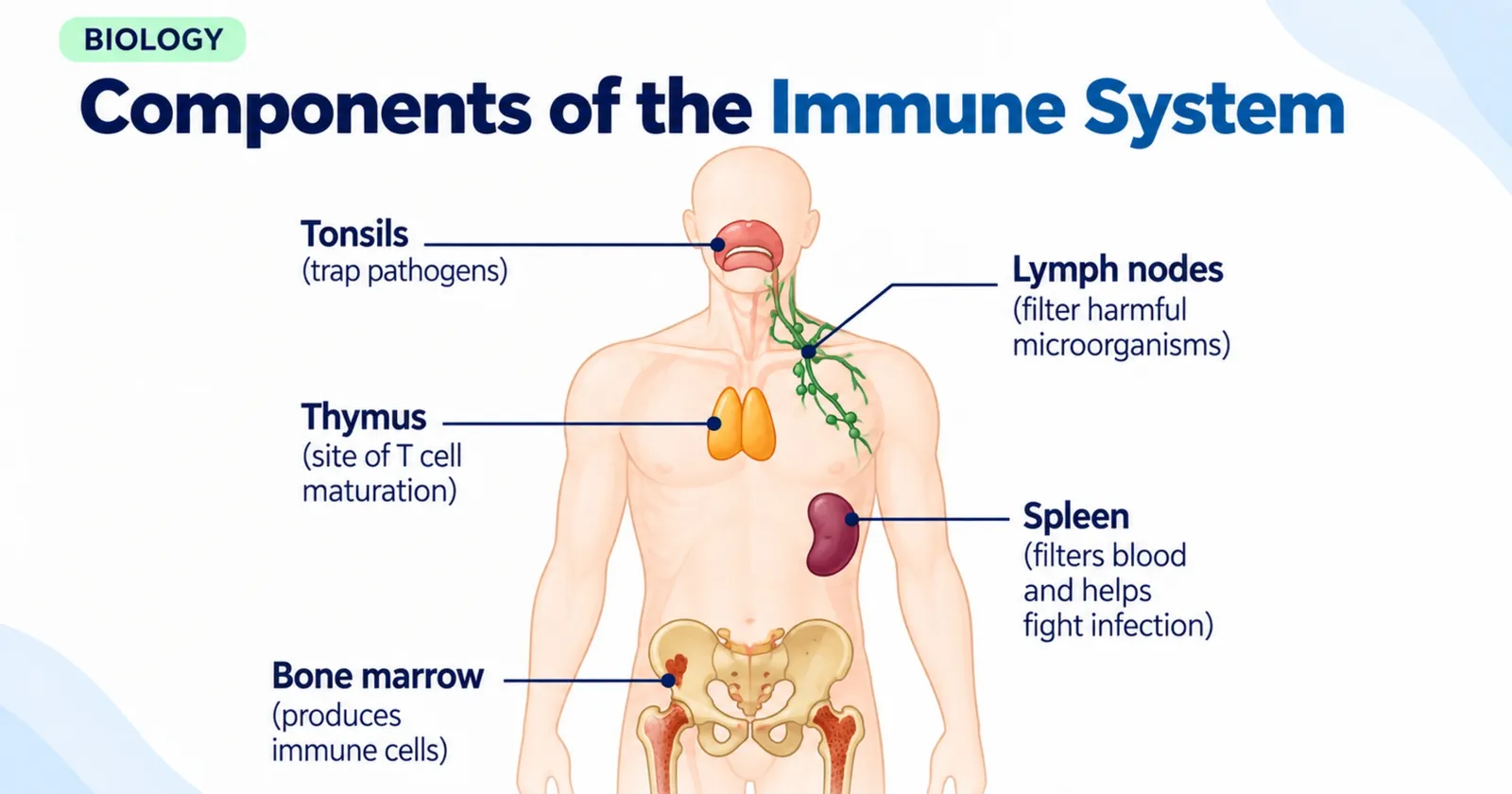
The immune system is not a single organ. It is a network of organs, tissues, cells and chemicals spread throughout the body. Its main parts include:
Bone marrow: where all blood cells, including white blood cells, are made.
Thymus: a gland in the chest where T cells mature. It is most active in childhood.
Lymph nodes: small bean-shaped structures that filter lymph and house lymphocytes. They swell when you have an infection, which is why your neck glands feel lumpy when you are ill.
Spleen: filters blood, removes old red blood cells and stores white blood cells.
Tonsils and adenoids: trap pathogens entering through the mouth and nose.
White blood cells (leucocytes): the cells that actually fight infection.
Slides: Human immunity and the immune system
The organs and tissues that defend you
1/2
Pathogens and Antigens: Know the Enemy
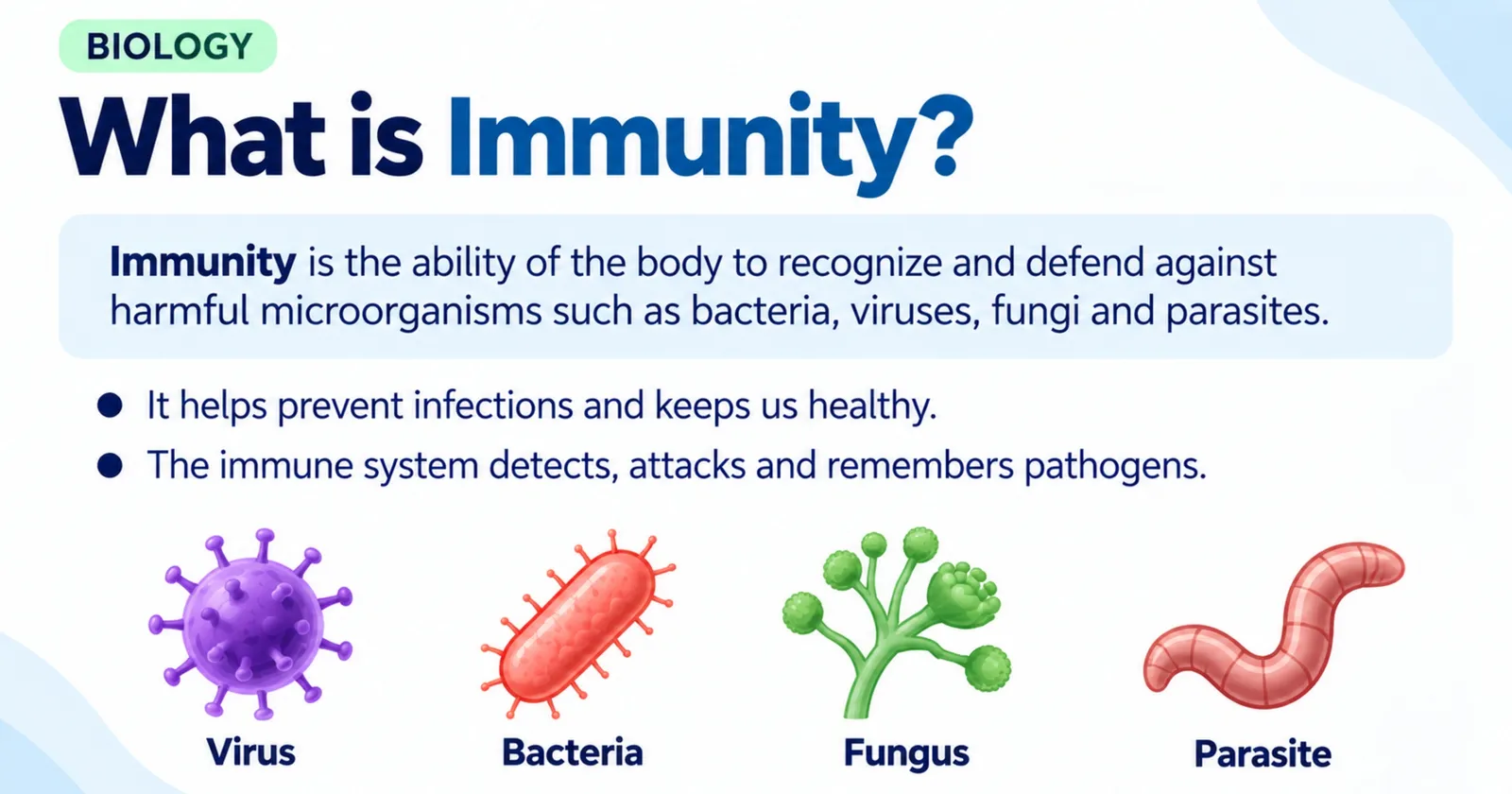
A pathogen is a microorganism that causes disease. The main types are:
| Pathogen type | Examples of diseases |
|---|---|
| Bacteria | Tuberculosis, cholera, typhoid, strep throat, food poisoning |
| Viruses | Common cold, influenza, measles, COVID-19, HIV, dengue |
| Fungi | Athlete's foot, ringworm, thrush |
| Protists | Malaria, amoebic dysentery |
Every cell has molecules on its surface called antigens, usually proteins. Your immune system learns to recognise your own antigens as "self" and ignore them. Antigens on pathogens are "non-self", and they trigger an immune response. Each pathogen has its own unique antigens, like a name badge.
Slide: What is immunity?
Pathogens your immune system recognises
1/1
The Three Lines of Defence
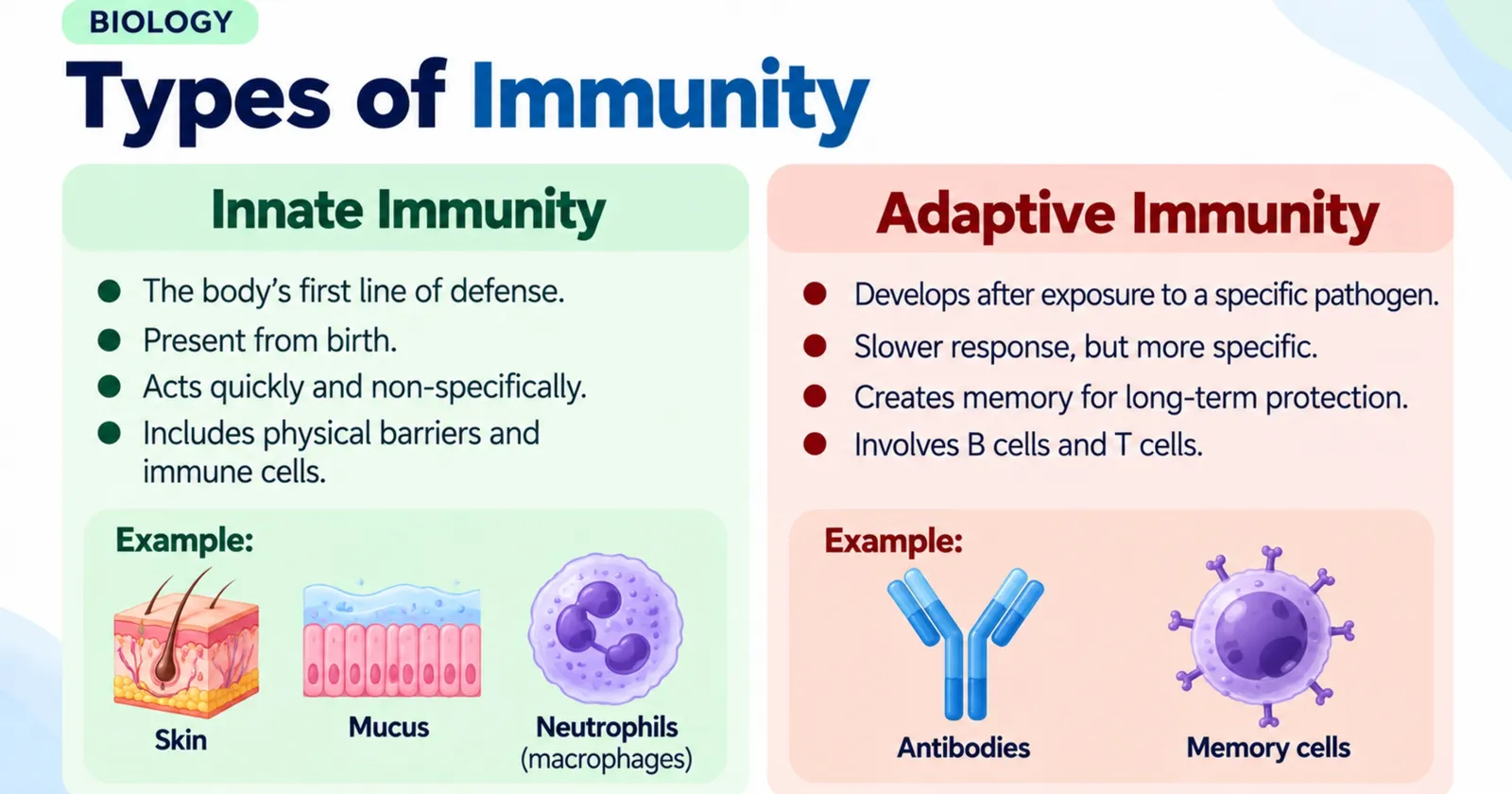
Immunity is often described as three lines of defence. The first two are innate (non-specific), and the third is adaptive (specific).
First line of defence: physical and chemical barriers
These barriers stop pathogens getting into the body in the first place.
Skin: a tough, waterproof barrier of dead keratin-filled cells. Sebum and sweat make the surface slightly acidic, and harmless skin bacteria compete with harmful ones.
Mucus and cilia: the lining of the nose, trachea and bronchi produces sticky mucus that traps microbes. Cilia sweep it up to the throat to be swallowed.
Stomach acid: hydrochloric acid kills most pathogens in food and drink.
Tears and saliva: contain the enzyme lysozyme, which destroys bacterial cell walls.
Nose hairs: filter large particles from the air.
Blood clotting: quickly seals wounds so that pathogens cannot enter through cuts.
Second line of defence: innate immune response
If pathogens get past the barriers, the innate immune system responds quickly, within minutes to hours. It attacks any invader in the same way, so it is described as non-specific.
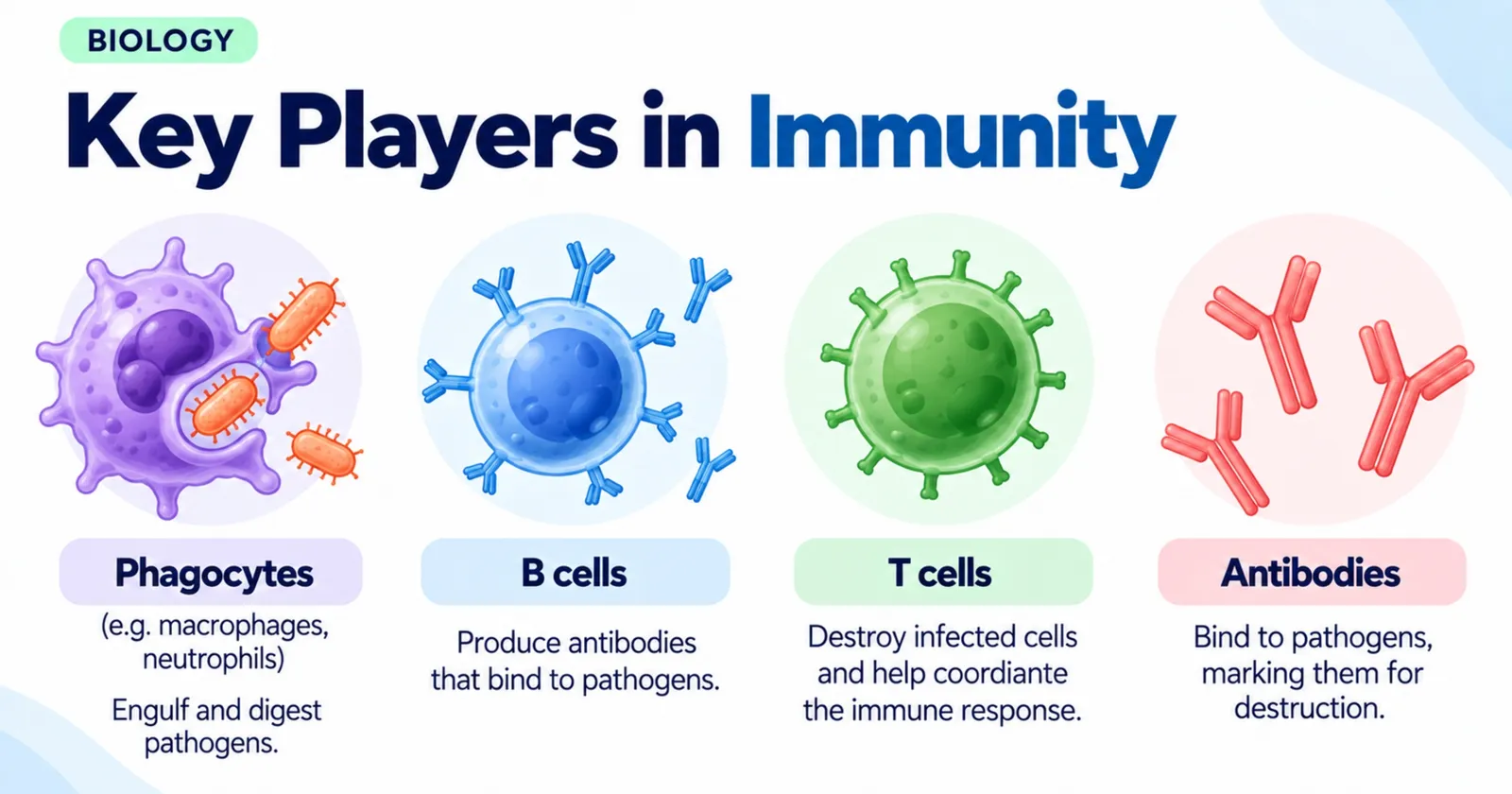
Phagocytosis: Phagocytes are white blood cells, such as neutrophils and macrophages, that engulf and digest pathogens. Here is how it works:
The phagocyte is attracted to the pathogen by chemicals released at the infection site.
It recognises the pathogen as foreign and binds to it.
It extends its cell membrane around the pathogen and engulfs it into a vesicle.
Lysosomes fuse with the vesicle and release digestive enzymes that destroy the pathogen.
Inflammation: Damaged cells release chemicals such as histamine, which widen blood vessels and make them leakier. More blood and white blood cells reach the area, causing redness, heat, swelling and pain. Inflammation is annoying, but it is a sign that your body is fighting back.
Fever: A raised body temperature slows the growth of many pathogens and speeds up the immune response.
Natural killer cells and interferons: Natural killer cells destroy infected or cancerous cells, while interferons are chemicals released by virus-infected cells that warn neighbouring cells to strengthen their defences.
Third line of defence: adaptive (specific) immunity
The adaptive immune system targets specific pathogens. It is slower to act the first time, taking several days, but it is extremely precise and it has memory. Its key cells are lymphocytes, which come in two main types: B cells and T cells.
Slide: Innate vs adaptive immunity
Fast and non-specific vs slower, specific and with memory
1/1
B Cells and Antibodies: The Humoral Response
B lymphocytes mature in the bone marrow. Each B cell has receptors on its surface that match one specific antigen.
When a B cell meets its matching antigen, and receives a signal from a helper T cell, it is activated.
It divides rapidly by mitosis to form many identical cells. This is called clonal selection and expansion.
Most of these cells become plasma cells, which release large amounts of antibodies into the blood.
Some become memory B cells, which stay in the body for years.
What are antibodies?
Antibodies are Y-shaped proteins made by plasma cells. Each antibody has two binding sites with a shape that is complementary to one specific antigen. Antibodies work in several ways:
Agglutination: clumping pathogens together so that phagocytes can engulf many at once.
Neutralisation: blocking viruses from entering cells, or binding to toxins to make them harmless. Antibodies that neutralise toxins are called antitoxins.
Marking: labelling pathogens so that phagocytes recognise and destroy them more easily.
Activating complement: triggering proteins that punch holes in bacterial membranes.
T Cells: The Cell-Mediated Response
T lymphocytes mature in the thymus. They respond to antigens displayed on the surface of the body's own cells.
Helper T cells are the coordinators of the immune system. They release chemical signals called cytokines that activate B cells, phagocytes and killer T cells. HIV destroys helper T cells, which is why untreated HIV leads to AIDS and a very weak immune system.
Cytotoxic (killer) T cells find body cells infected by viruses, or cancer cells, and destroy them by releasing chemicals that make holes in their membranes.
Memory T cells remain after the infection to provide long-term protection.
Regulatory T cells switch off the immune response once the infection is cleared, preventing damage to healthy tissue.
Macrophages help to start the adaptive response. After engulfing a pathogen, they display its antigens on their surface, acting as antigen-presenting cells that show helper T cells what to attack.
Slide: Key players in immunity
Phagocytes, B cells, T cells and antibodies
1/1
Immune Memory: Primary vs Secondary Response
This is why you usually catch diseases such as chickenpox only once.
| Feature | Primary response (first infection) | Secondary response (later infection) |
|---|---|---|
| Speed | Slow, takes several days to weeks | Fast, within hours to a few days |
| Amount of antibody | Lower | Much higher, often 10 to 100 times more |
| Symptoms | You usually feel ill | You usually feel no symptoms |
| Cells involved | Naive B and T cells must be selected and multiply | Memory cells respond immediately |
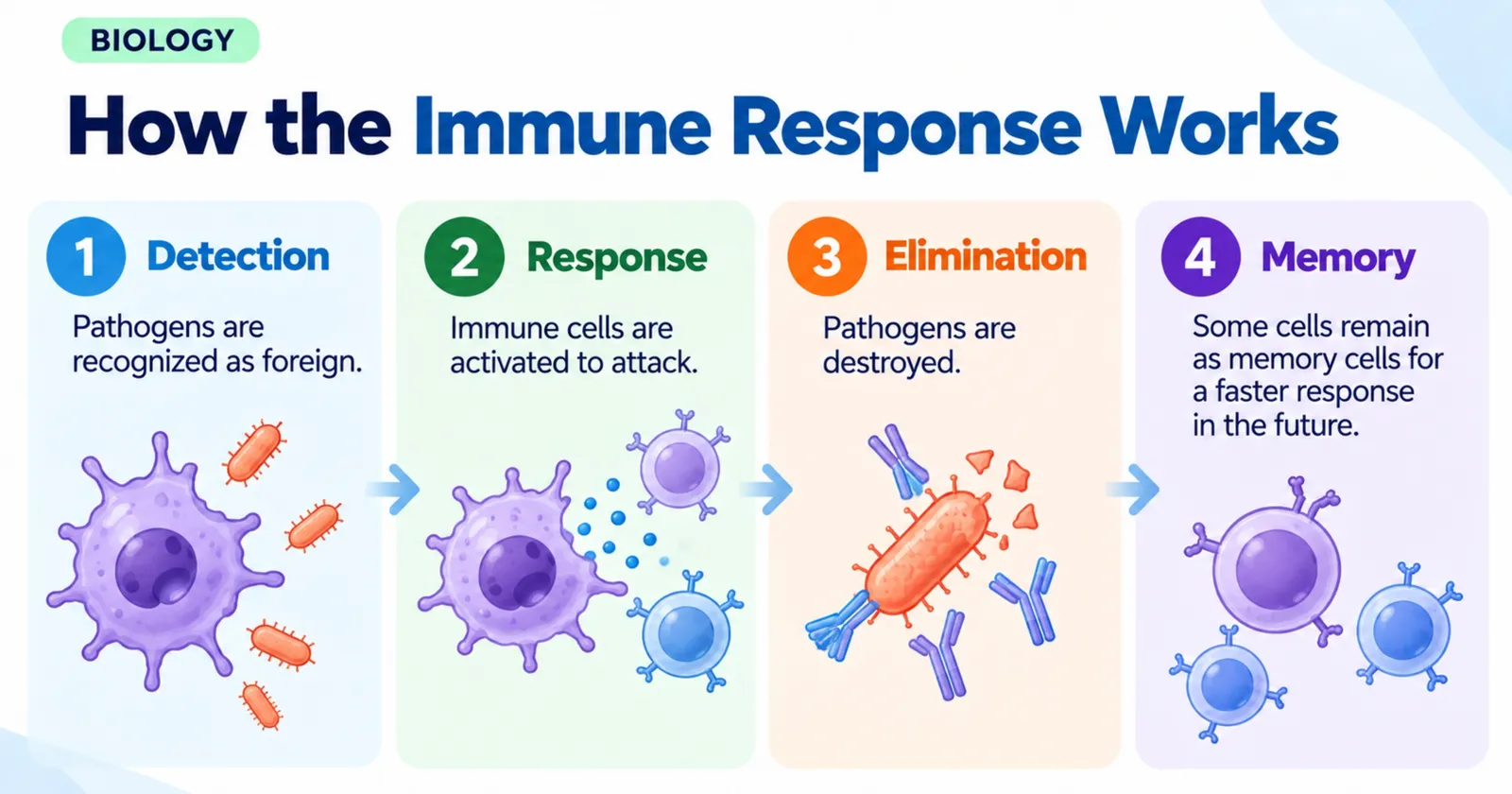
When the same pathogen invades again, memory cells recognise it straight away and trigger a fast, powerful response that destroys it before it can make you ill. You are now immune to that disease.
Slide: How the immune response works
Detection, response, elimination and memory
1/1
Types of Immunity
| Type | How it is gained | Example | Duration |
|---|---|---|---|
| Natural active | Catching a disease and recovering | Immunity after chickenpox | Long-lasting |
| Artificial active | Vaccination | Measles or polio vaccine | Long-lasting (boosters sometimes needed) |
| Natural passive | Antibodies passed from mother to baby | Across the placenta and in breast milk | Short-term, weeks to months |
| Artificial passive | Injection of ready-made antibodies | Antivenom for snake bites, tetanus antibodies | Short-term |
Active immunity involves your own immune system making antibodies and memory cells, so it lasts. Passive immunity gives you ready-made antibodies, so it works immediately but fades as the antibodies are broken down, because no memory cells are made.
How Vaccines Work
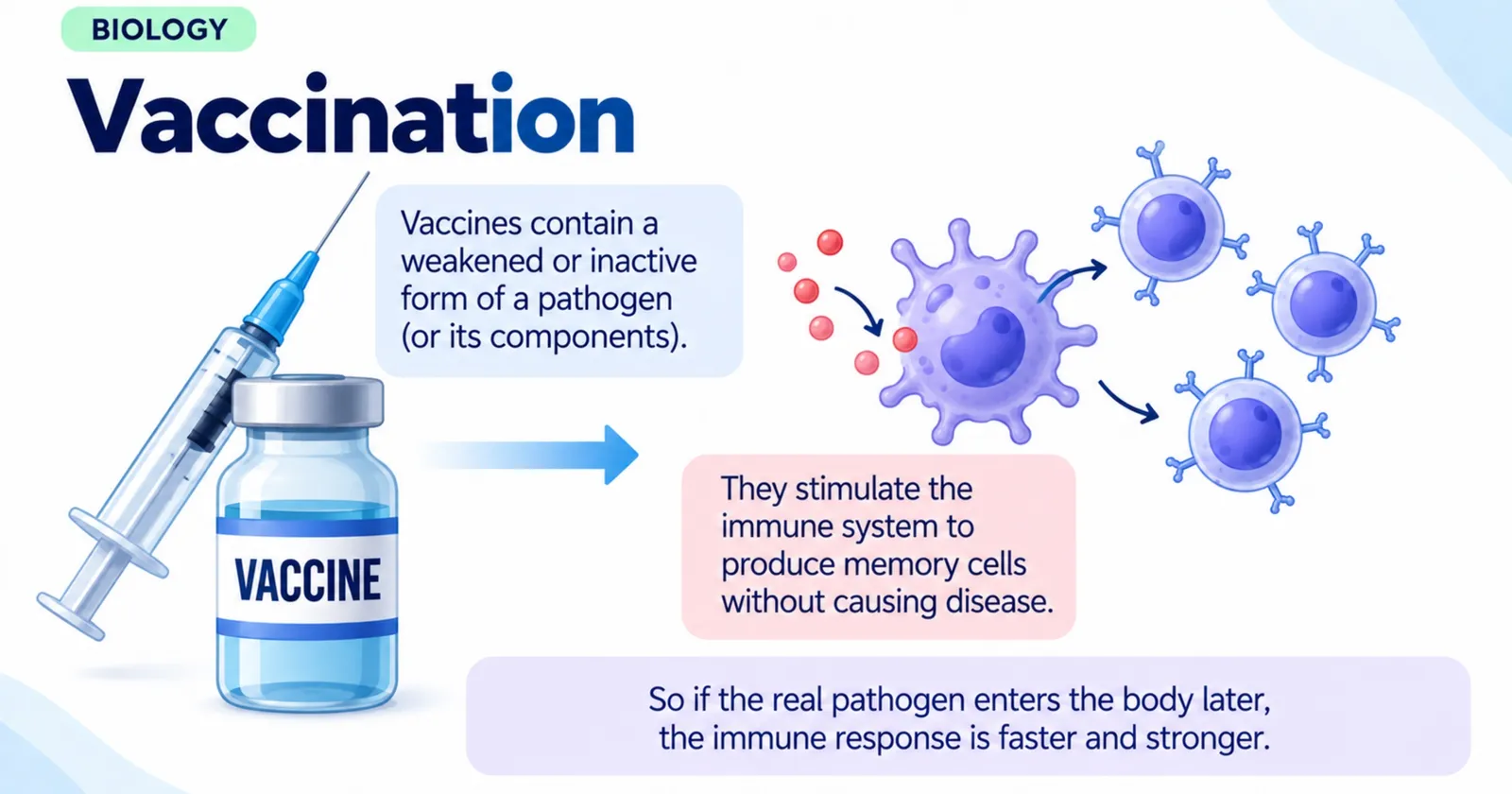
A vaccine contains antigens from a pathogen in a harmless form: dead or weakened pathogens, inactivated toxins, pieces of the pathogen such as proteins, or genetic instructions (mRNA) that make your own cells produce a harmless pathogen protein.
The vaccine is usually injected, although some are given by mouth or nasal spray.
The antigens trigger a primary immune response, but without causing the disease.
Your body produces antibodies and, most importantly, memory cells.
If the real pathogen enters later, memory cells trigger a rapid secondary response and destroy it before you become ill.
Herd immunity
When a large proportion of a population is vaccinated, a pathogen cannot spread easily, which protects people who cannot be vaccinated, such as newborn babies and people with weak immune systems. This is called herd immunity. Vaccination has eradicated smallpox from the world and has brought polio close to eradication.
Slide: Vaccination
How a vaccine trains your memory cells
1/1
When the Immune System Goes Wrong
Allergies: the immune system overreacts to harmless substances such as pollen, peanuts or dust mites, releasing histamine and causing sneezing, rashes, swelling or, in severe cases, life-threatening anaphylaxis.
Autoimmune diseases: the immune system mistakenly attacks the body's own cells. Examples include type 1 diabetes (attacking insulin-producing cells), rheumatoid arthritis (attacking joints) and multiple sclerosis (attacking nerve coverings).
Immunodeficiency: the immune system is weakened, as in HIV/AIDS, during chemotherapy or in rare inherited conditions, making infections more dangerous.
Transplant rejection: the immune system recognises a donated organ's antigens as foreign and attacks it. Patients take immunosuppressant drugs, and donors are matched as closely as possible.
Antibiotics vs Vaccines vs Antibodies
Students often confuse these. Antibiotics are drugs that kill bacteria or stop them growing; they do not work against viruses. Vaccines prevent disease by training the immune system before infection. Antibodies are proteins your body makes, although scientists can also produce monoclonal antibodies in the lab to treat cancers and other diseases.
How to Support Your Immune System Naturally
There is no magic pill to "boost" immunity, but healthy habits help your immune system work at its best:
Eat a balanced diet rich in fruit and vegetables, which provide vitamins A, C and E, zinc and other nutrients.
Sleep well: adults need around 7 to 9 hours; teenagers need more. Poor sleep weakens immune responses.
Exercise regularly, which improves circulation of immune cells.
Manage stress: long-term stress hormones suppress immunity.
Keep up to date with vaccinations.
Wash your hands with soap and water, especially before eating.
Avoid smoking and limit alcohol, both of which damage immune defences.
Get some sunlight for vitamin D, which plays a role in immune function.
Frequently Asked Questions About Human Immunity
How long does immunity last?
It depends on the disease. Immunity to measles usually lasts for life, while immunity to influenza fades because the virus keeps changing its antigens, so a new flu vaccine is needed each year.
Why do we get colds again and again?
More than 200 different viruses cause colds, each with different antigens, so memory cells for one do not protect you against the others.
Why do vaccines sometimes make you feel unwell?
A sore arm, mild fever or tiredness shows that your immune system is responding and building protection. These effects usually pass within a day or two.
Key Takeaways
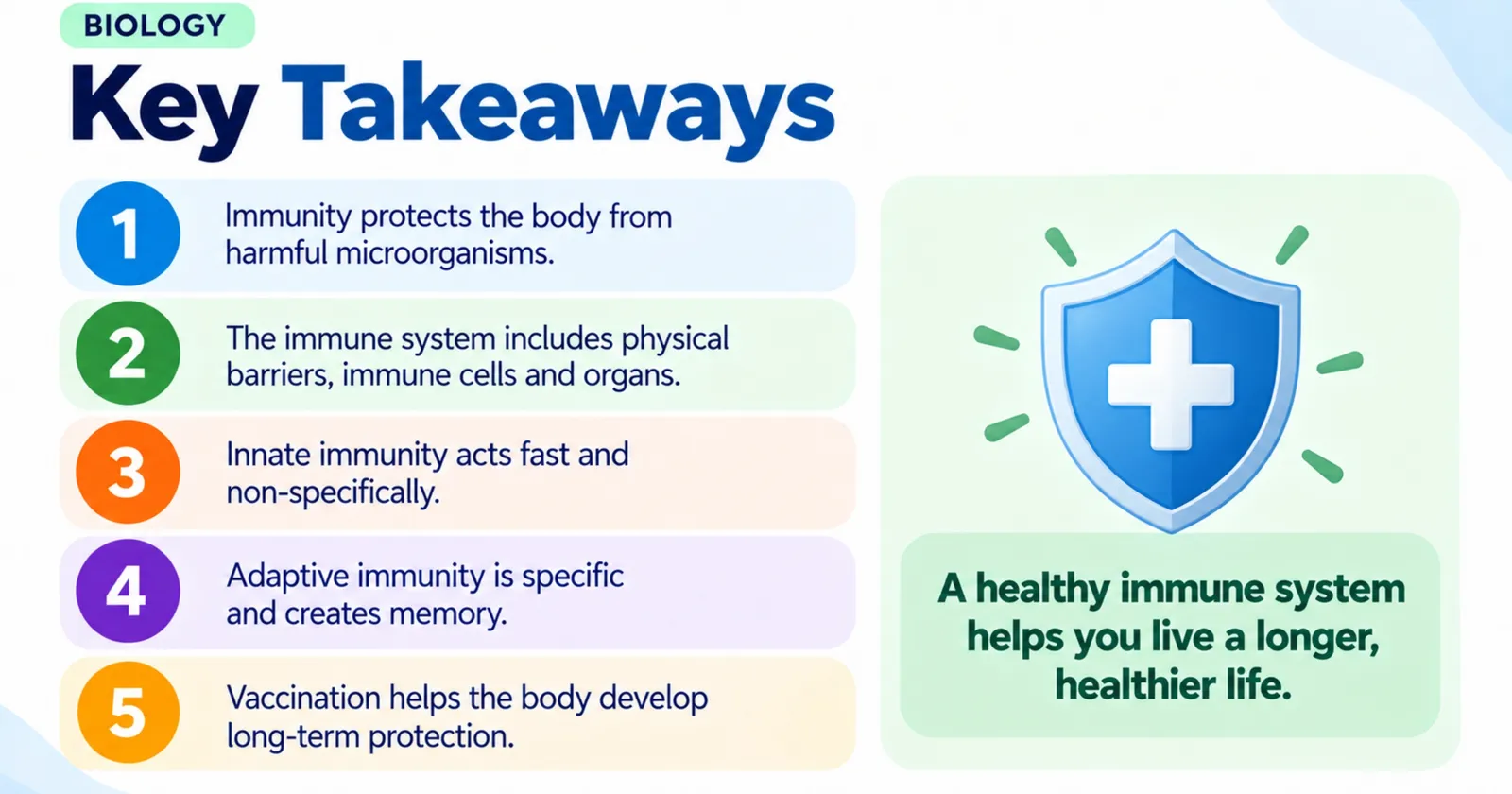
The immune system defends the body using three lines of defence.
Innate immunity includes barriers, phagocytosis, inflammation and fever.
Adaptive immunity uses B cells, which make antibodies, and T cells, which coordinate responses and kill infected cells.
Memory cells make the secondary response faster and stronger, which is the basis of vaccination.
Allergies, autoimmune diseases and immunodeficiencies occur when the immune system goes wrong.
Slide: Key takeaways
1/1
White blood cells are the soldiers of your immune system. Read our guide to blood diseases to learn what happens when blood cells themselves become unhealthy.
🗂️ Revision Flashcards
Tap a card to reveal the answer.
🎯 Quick Quiz
8 questions. Pick an answer to check it straight away.
1Where do T cells mature?
T lymphocytes mature in the thymus, a gland in the chest; B cells mature in the bone marrow.
2Which enzyme in tears and saliva destroys bacterial cell walls?
Tears and saliva contain lysozyme, part of the first line of defence.
3Which of these is part of the first line of defence, not the second?
Stomach acid is a chemical barrier; phagocytosis, inflammation and fever belong to the innate (second-line) response.
4Which cells release large amounts of antibodies into the blood?
Activated B cells divide, and most become plasma cells that release antibodies.
5Which cells does HIV destroy?
HIV destroys helper T cells, which is why untreated HIV leads to AIDS.
6Compared with the primary response, the secondary response produces:
Memory cells respond immediately and produce much more antibody, often 10 to 100 times more.
7A baby receives antibodies across the placenta and in breast milk. What type of immunity is this?
Antibodies passed from mother to baby give natural passive immunity, which is short-term.
8Why do antibiotics not cure a cold?
The common cold is caused by viruses; antibiotics kill bacteria or stop them growing but do not work against viruses.