📝 Quiz Time
Test your understanding of cell structure and organisation with these 10 multiple choice questions.
Your Score
📄 Worksheets
Download printable worksheets to practice and reinforce your learning
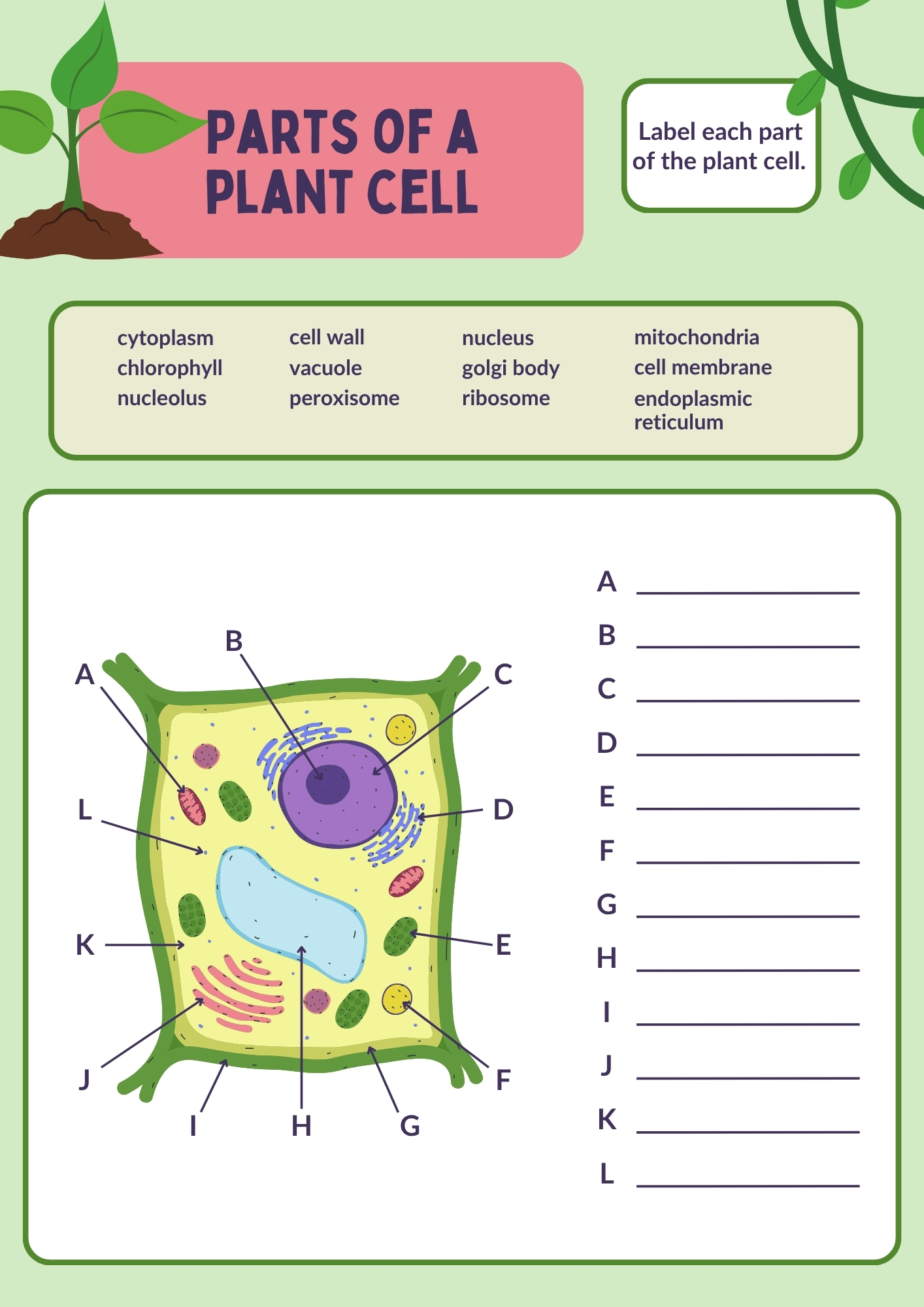
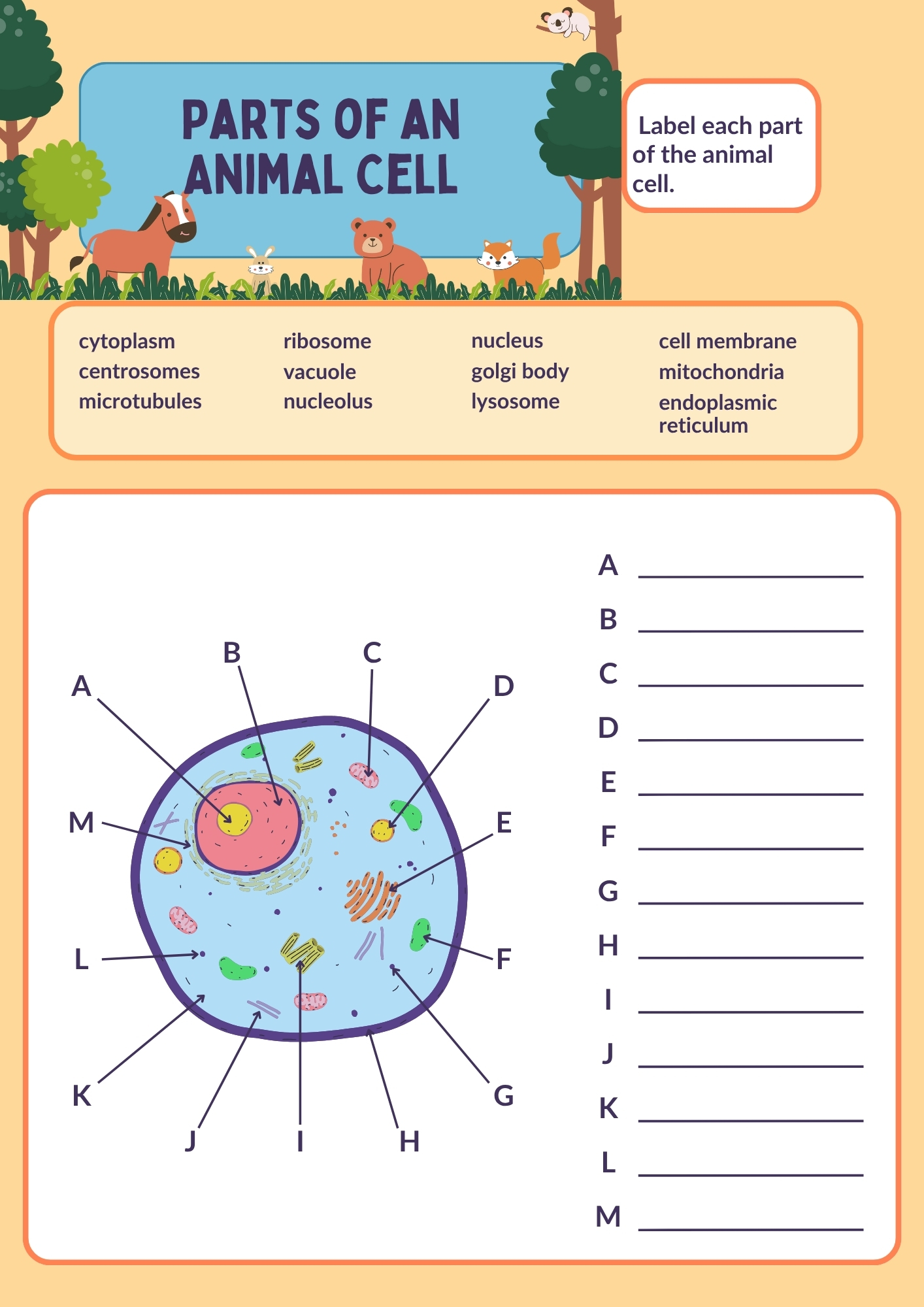
Parts of an Animal Cell
Label each part of the animal cell using the provided organelle names.
Download PDFPlant vs Animal Cell Differences
Compare and contrast features of plant and animal cells with answer sheet included.
Download Complete SetCell Organelles Matching Set
Match each cell organelle with its correct function. Includes answer key.
Download with AnswersInside Animal Cells - Matching
Connect animal cell organelles to their functions. Answer key provided.
Download with AnswersAnimal Cell Functions Table
Complete the table by writing functions for each organelle shown. Answer sheet included.
Download with Answers🔬 Cell Structure Revision Notes: What the Quiz and Worksheets Test
What is cell structure?
The cell is the basic unit of life: every living thing is either a single cell or is built from many of them. Cell structure means the parts a cell is made of and the job each part does. Those parts are called organelles, and the quiz above, the labelling sheets and the matching activities all test the same short list of them. Learn the list once and every question type becomes straightforward.
Cells are also the first step in the levels of organisation that the first quiz question checks: cells group into tissues, tissues into organs, organs into organ systems, and organ systems into a whole organism. An atom is far smaller than a cell and is not alive.
The organelles and their jobs
| Part | What it does | Found in |
|---|---|---|
| Nucleus | Contains the DNA (genetic material) and controls the cell's activities | Animal and plant |
| Cytoplasm | Jelly-like fluid where most chemical reactions happen | Animal and plant |
| Cell membrane | Thin layer that controls what enters and leaves the cell | Animal and plant |
| Mitochondria | Site of aerobic respiration, which releases energy from glucose | Animal and plant |
| Ribosomes | Tiny structures where proteins are made (protein synthesis) | Animal and plant |
| Cell wall | Tough outer layer made of cellulose that supports and shapes the cell | Plant only |
| Chloroplasts | Contain chlorophyll and carry out photosynthesis to make glucose | Plant only |
| Permanent vacuole | Large sac of cell sap that keeps the cell firm | Plant only |
Two of these are confused more than any others. The cell membrane is a thin, flexible boundary that every cell has; the cell wall is a thick, rigid layer outside the membrane that only plant cells (and bacteria and fungi) have. Similarly, mitochondria and chloroplasts both deal with energy, but in opposite directions: chloroplasts store energy from light in glucose, and mitochondria release that energy for the cell to use.
Plant cells versus animal cells
A plant cell has everything an animal cell has, plus three extras: a cell wall, chloroplasts and a large permanent vacuole. That is why plant cells in diagrams look boxy and regular — the wall holds their shape — while animal cells are rounder and irregular. Not every plant cell has chloroplasts: root cells live in the dark, so they have none. When a question asks for a structure found "in plant cells but NOT in animal cells", one of these three is always the answer.
How to answer the common question types
- Labelling a diagram. First decide whether it is a plant or animal cell by looking for a thick outer wall, green ovals (chloroplasts) or one large central space (the vacuole). The large round body is the nucleus; the thin line around the outside of an animal cell is the membrane; the small dots are ribosomes and the bean-shaped bodies are mitochondria; everything in between is cytoplasm.
- Matching an organelle to its function. Learn one short phrase per part: nucleus — controls; membrane — controls what enters and leaves; mitochondria — respiration; ribosomes — protein synthesis; chloroplasts — photosynthesis; cell wall — support; vacuole — cell sap. Match the phrase, not the picture.
- "Powerhouse of the cell". The answer is mitochondria, but be precise in written answers: mitochondria do not make energy, they release it from glucose by aerobic respiration. Energy cannot be created.
- Completing a functions table. Write the job, not a description of the shape. "Jelly-like substance" describes the cytoplasm; "where chemical reactions take place" is its function.
- Definitions. A one-mark definition needs the key idea and nothing else: an organelle is "a structure inside a cell with a particular function"; photosynthesis is "the process by which plants use light energy to make glucose from carbon dioxide and water".
Using the worksheets
The six printable sheets above follow the order most courses teach: label a plant cell, label an animal cell, compare the two, then match organelles to functions and complete a functions table. Try each sheet without notes first, mark it against the answer key included in the download, and then re-read the table on this page for anything you missed. For the full explanation of each organelle, with diagrams and examples of specialised cells, use the complete cell biology lesson on this site; these notes are the condensed version for revision.
Key terms
- Cell
- The basic unit of all living things.
- Organelle
- A structure inside a cell that carries out a particular job.
- Aerobic respiration
- The reaction in mitochondria that releases energy from glucose using oxygen.
- Photosynthesis
- The process in chloroplasts that uses light energy to make glucose from carbon dioxide and water.
- Cellulose
- The tough carbohydrate that plant cell walls are made from.
- Cell sap
- The watery solution of sugars and salts that fills a plant cell's permanent vacuole.