📖 Quiz Slides
Review the quiz questions and answers about microorganisms
🎴 Study Flashcards
Click on each card to reveal the answer
🎮 Interactive Games
Test your knowledge with fun interactive activities
🔬 Microorganisms Explained: Types, Where They Live and Why We Need Them
What is a microorganism?
A microorganism, or microbe, is a living thing too small to be seen without a microscope. Most are made of a single cell; a bacterial cell is typically one to ten micrometres across, so a thousand of them could sit side by side across a single millimetre. Microorganisms were unknown until the 1670s, when the Dutch cloth merchant Antonie van Leeuwenhoek ground his own lenses and saw "little animals" swimming in a drop of pond water. Today we know they make up most of the living matter on Earth, and that plants and animals could not survive without them.
The four main types of microorganism
| Group | Type of cell | Size | Examples |
|---|---|---|---|
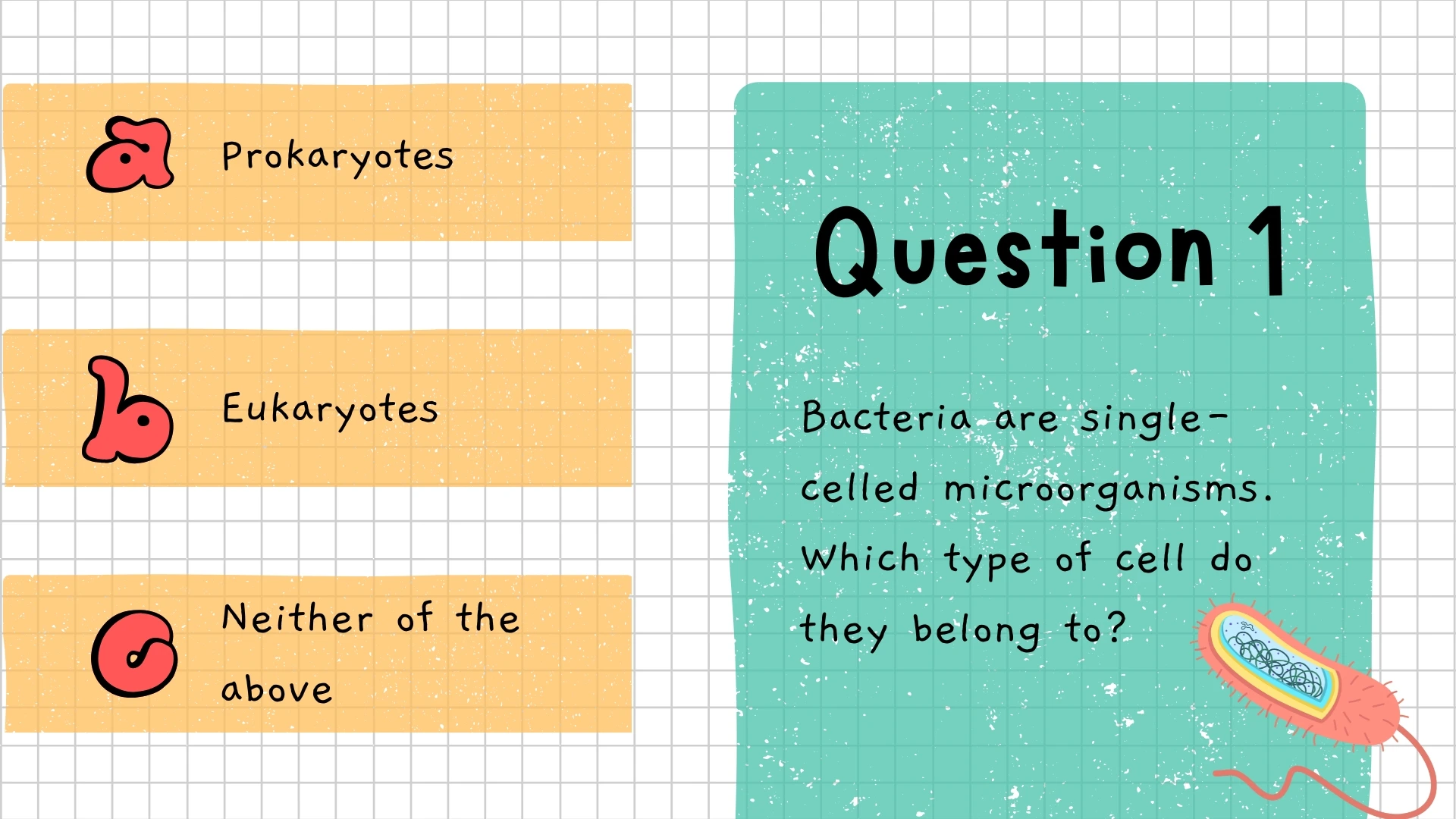
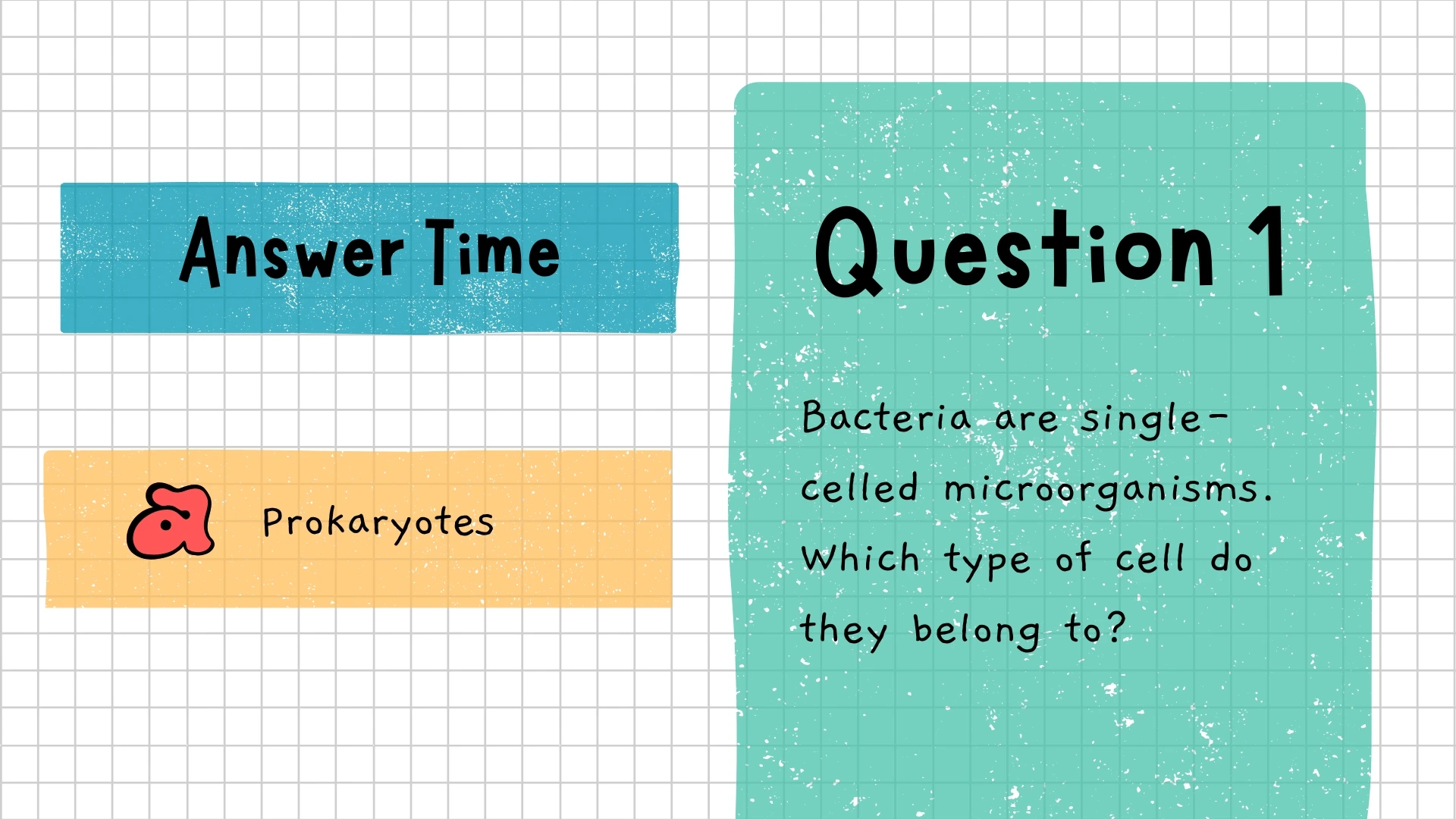
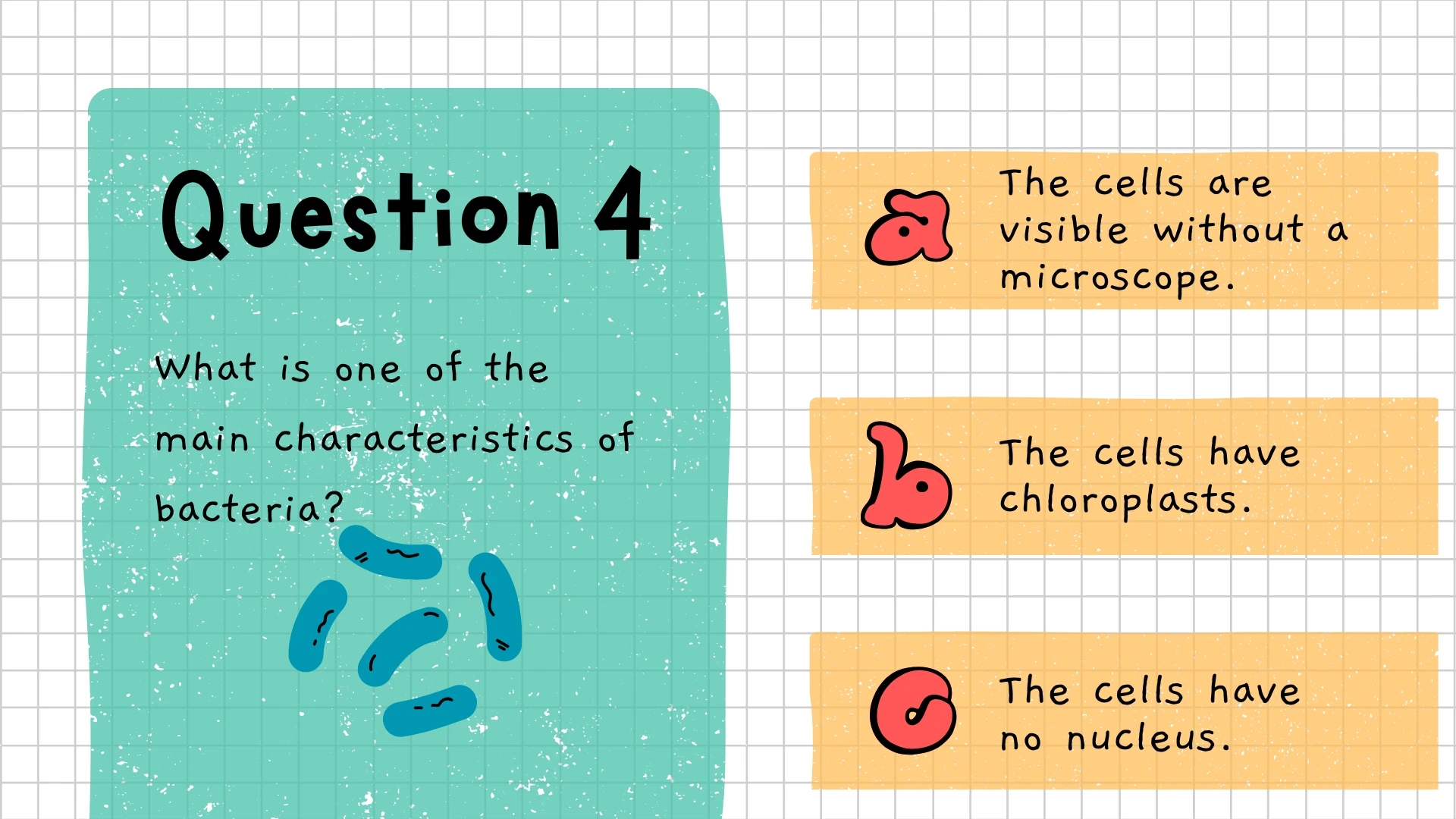
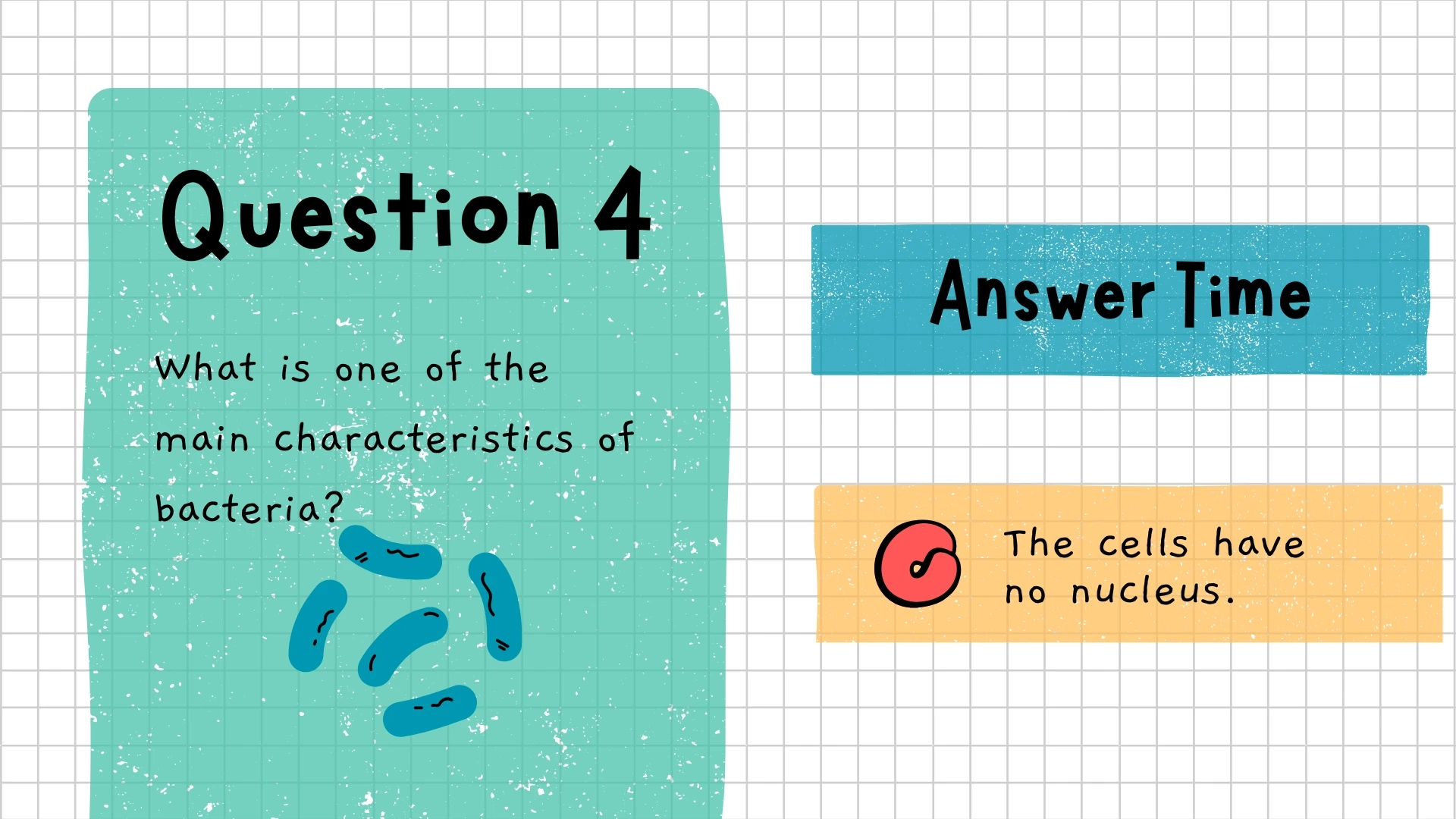
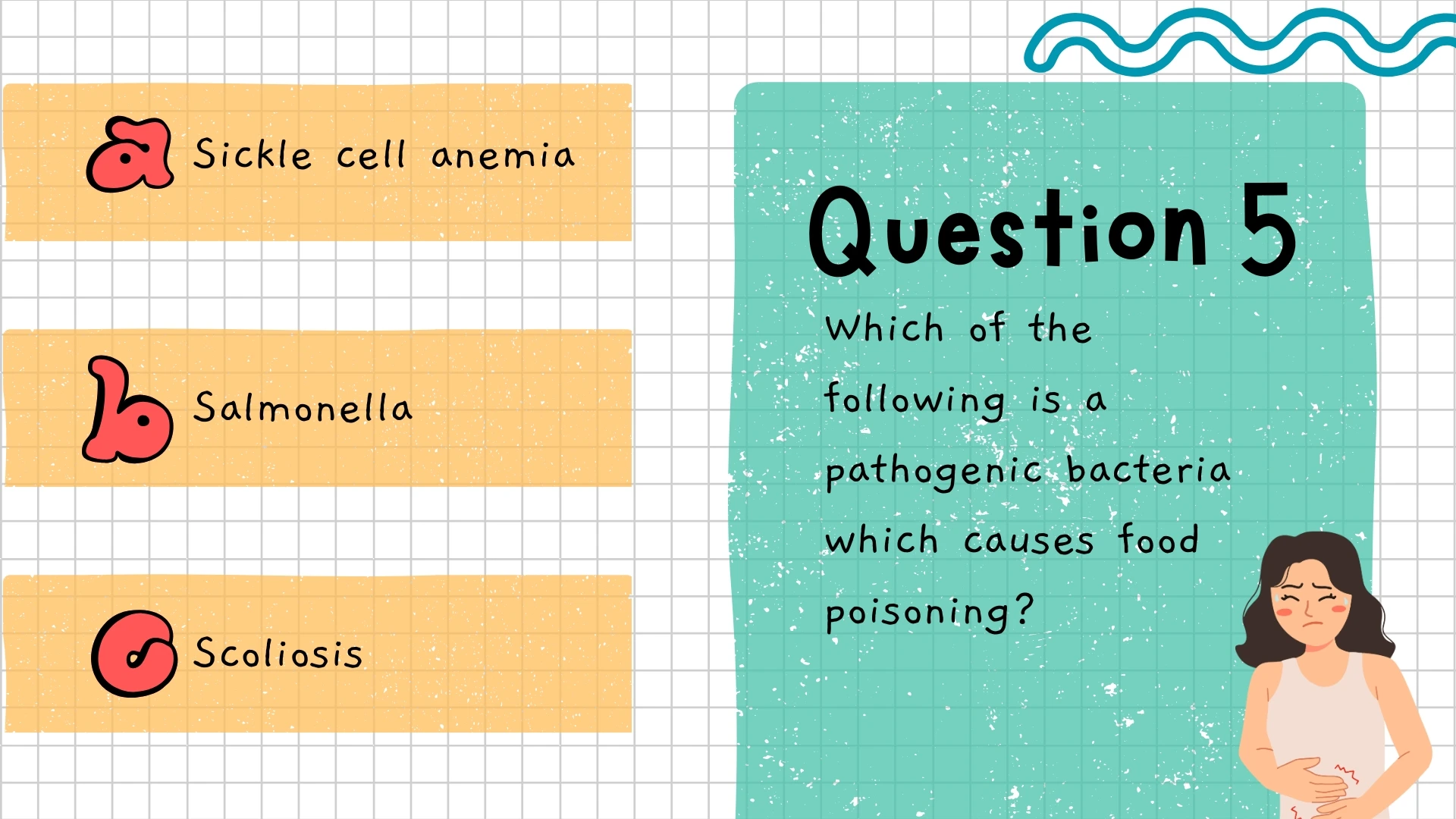
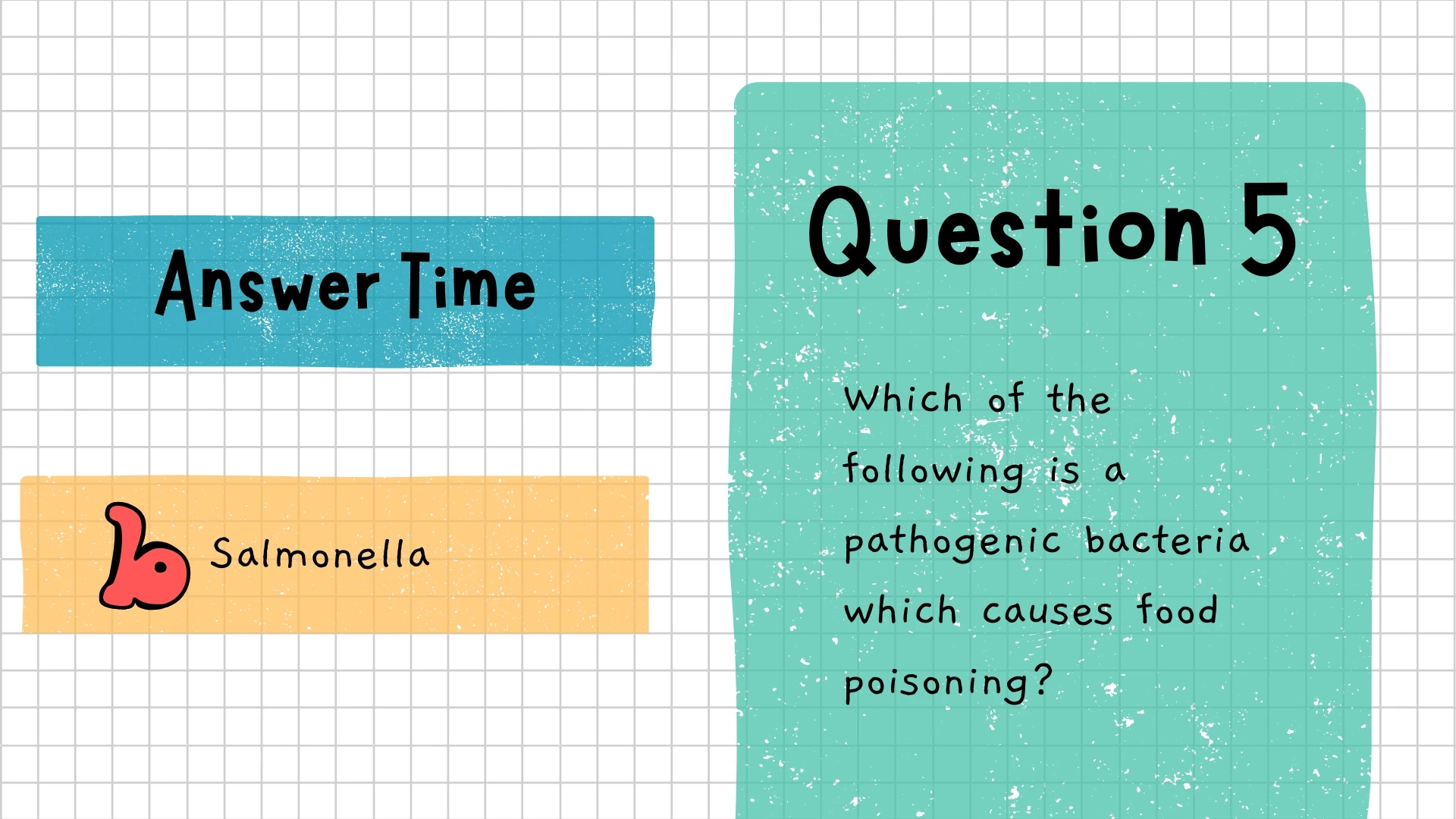
| Bacteria | Prokaryotic: one cell with no nucleus; DNA is a loop in the cytoplasm | About 1 – 10 µm | Lactobacillus (yoghurt), E. coli (gut), Salmonella (food poisoning) |
| Viruses | Not cells: a strand of genetic material in a protein coat | About 20 – 300 nm, far smaller than bacteria | Influenza, measles, the common cold viruses |
| Fungi | Eukaryotic: nucleus present; cell walls made of chitin | Yeasts about 5 – 10 µm; moulds grow as long threads | Yeast, bread mould, Penicillium |
| Protists | Eukaryotic, mostly single-celled; some photosynthesise, some hunt | Usually 10 – 100 µm | Amoeba, Paramecium, diatoms, Plasmodium (malaria) |
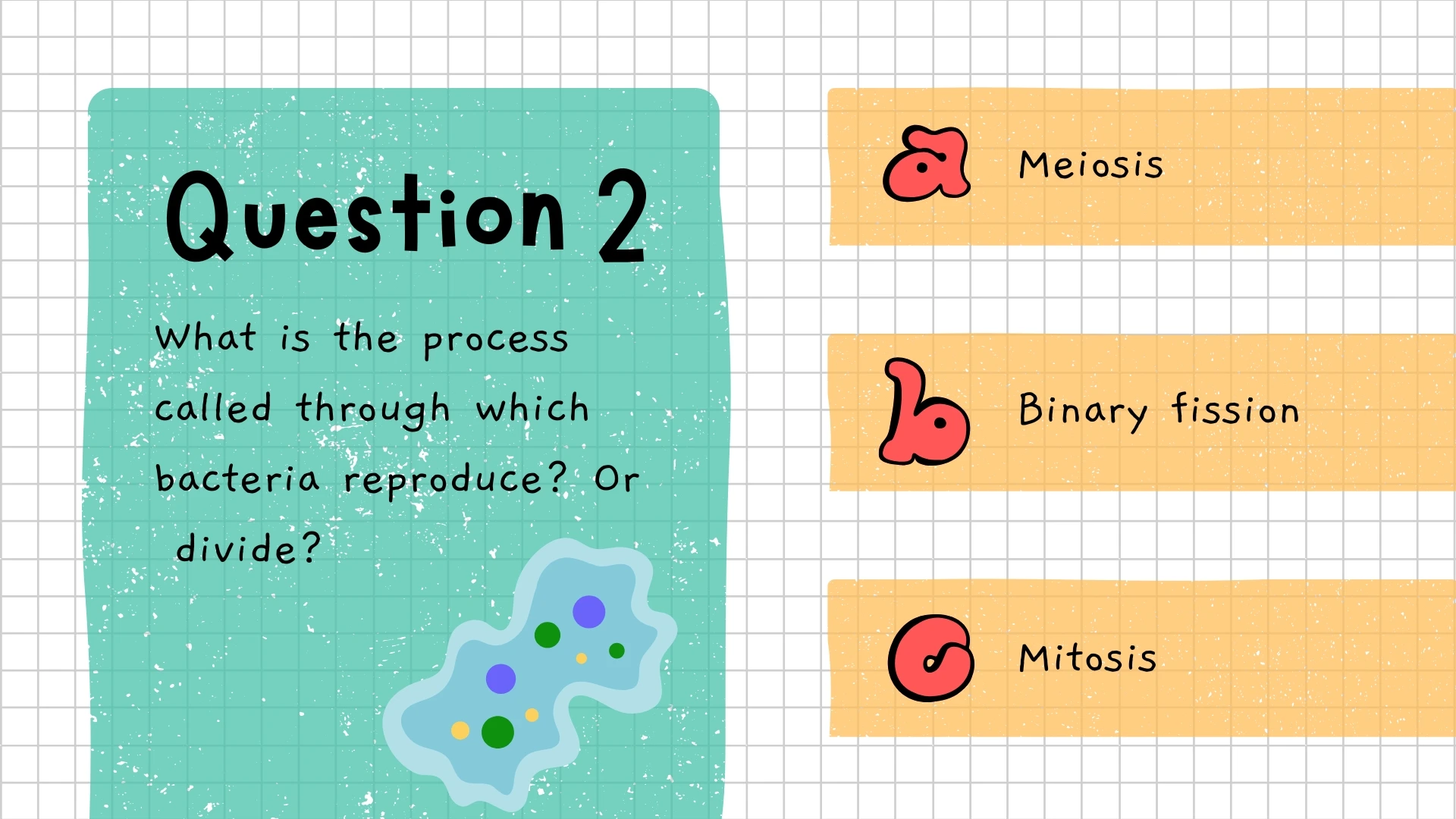
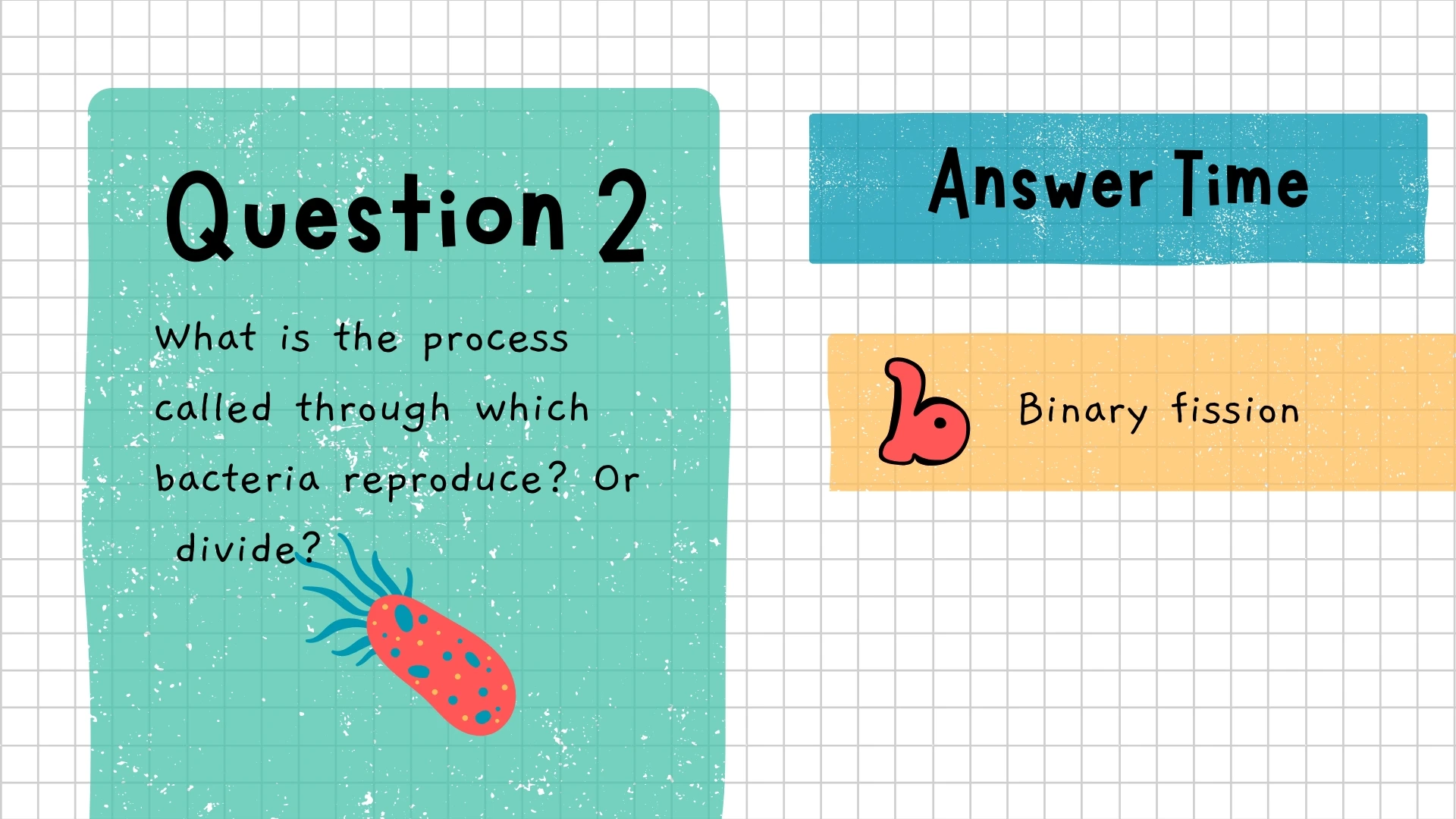
Bacteria reproduce by binary fission — one cell copies its DNA and splits into two. Given warmth, moisture and food some can do this every twenty minutes, which is why a few cells on a warm plate of food can become millions by the evening. Viruses cannot reproduce on their own at all: they must get inside a living cell and hijack its machinery to make copies. Because they are not cells and cannot feed, grow or respire by themselves, scientists disagree about whether viruses should be counted as living things. Fungi feed by releasing digestive enzymes on to their food and absorbing the products; yeasts are single-celled fungi, while moulds and mushrooms are made of many cells joined into threads. Protists are a mixed group of single-celled organisms with a nucleus, from the amoeba that engulfs its prey to the diatoms that photosynthesise in the sea.
Where do microorganisms live?
Almost everywhere. A teaspoon of healthy soil contains more bacteria than there are people on Earth. Microbes drift in the air, fill every drop of pond and sea water, and coat every surface you touch. Some, called extremophiles, thrive in places nothing else can: boiling hot springs, the crushing dark of deep-sea vents, salt flats and Antarctic ice. Your own body is home to trillions of them, especially in the large intestine, where the bacterial cells are thought to be roughly as numerous as your own human cells. This community is called the microbiome, and most of it is harmless or helpful.
Useful microorganisms
The quiz above asks about the microbes that cause illness, but the vast majority do not — and many are essential.
- Decomposers and nutrient cycling. Bacteria and fungi break down dead plants, animals and waste, returning carbon, nitrogen and minerals to the soil for plants to reuse. Without them, nutrients would stay locked in dead material and life would grind to a halt. Nitrogen-fixing bacteria in the root nodules of peas, beans and clover turn nitrogen gas from the air into compounds plants can use.
- Yoghurt and cheese. Lactobacillus bacteria feed on the sugar in milk (lactose) and turn it into lactic acid. The acid thickens the milk into yoghurt and gives it its sour taste. Cheese-making uses bacteria to curdle milk, and some cheeses are ripened by moulds — the blue veins in blue cheese are Penicillium.
- Bread, beer and wine. Yeast is a fungus that respires without oxygen in a process called fermentation, turning sugar into ethanol and carbon dioxide. In bread dough the bubbles of carbon dioxide make the loaf rise and the alcohol evaporates during baking. In brewing and wine-making the ethanol is kept. Vinegar is made by a second group of bacteria that turn that ethanol into acetic acid.
- Medicines. In 1928 Alexander Fleming noticed that a Penicillium mould growing on one of his dishes had killed the bacteria around it. The substance responsible, penicillin, became the first antibiotic. Genetically engineered bacteria now make human insulin for people with diabetes, and microbes are used to produce vaccines and vitamins.
- Gut bacteria. The bacteria in your intestine help to digest fibre that your own enzymes cannot, make vitamin K and some B vitamins, and crowd out harmful microbes so that they cannot take hold.
- Sewage treatment and biogas. At a sewage works, air is bubbled through the waste water so that aerobic bacteria can break down the organic matter before the clean water is returned to rivers. The leftover sludge is digested by other bacteria in sealed tanks without oxygen, producing biogas (mainly methane) that can be burned for energy.
Harmful microorganisms
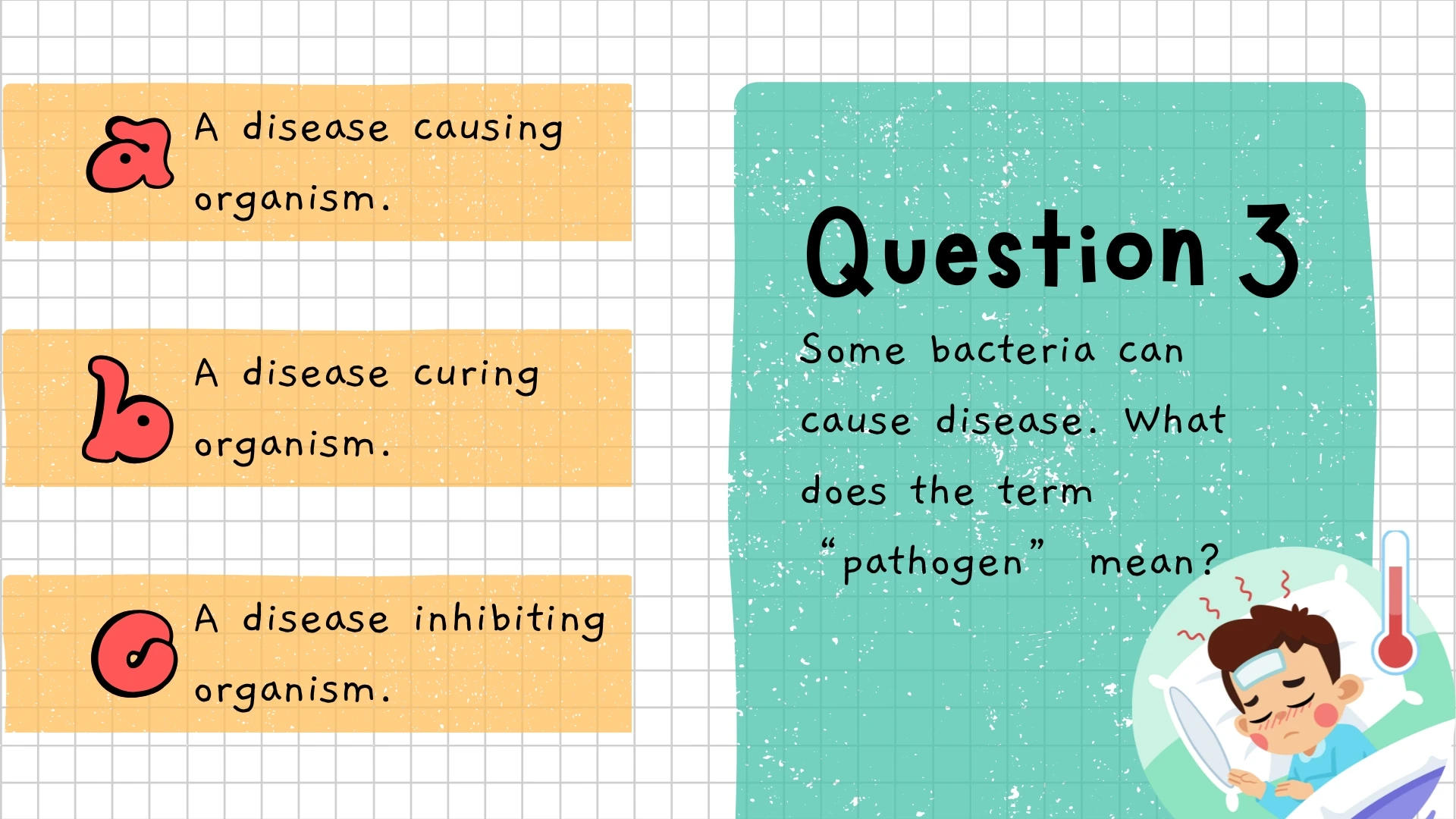
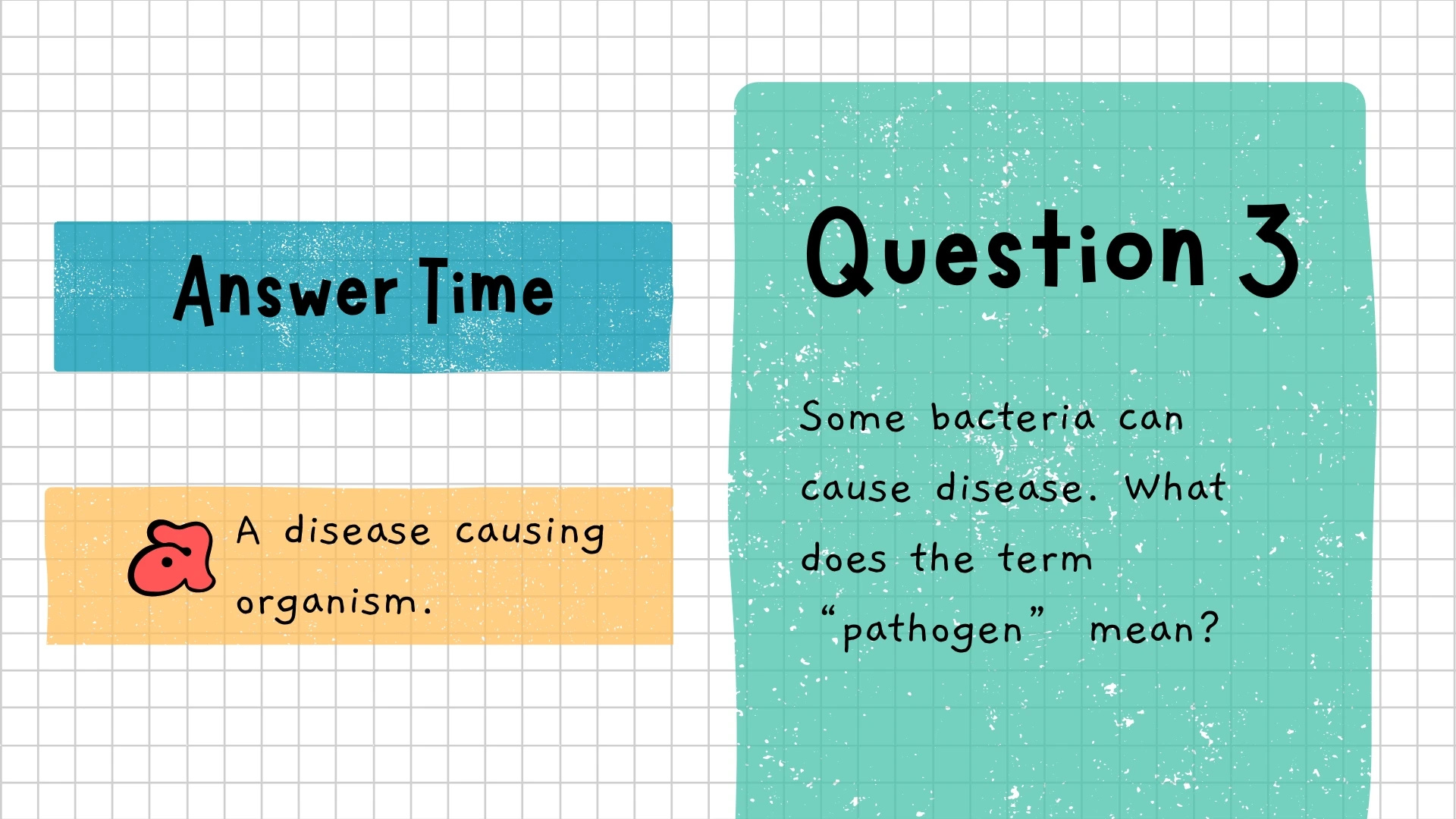
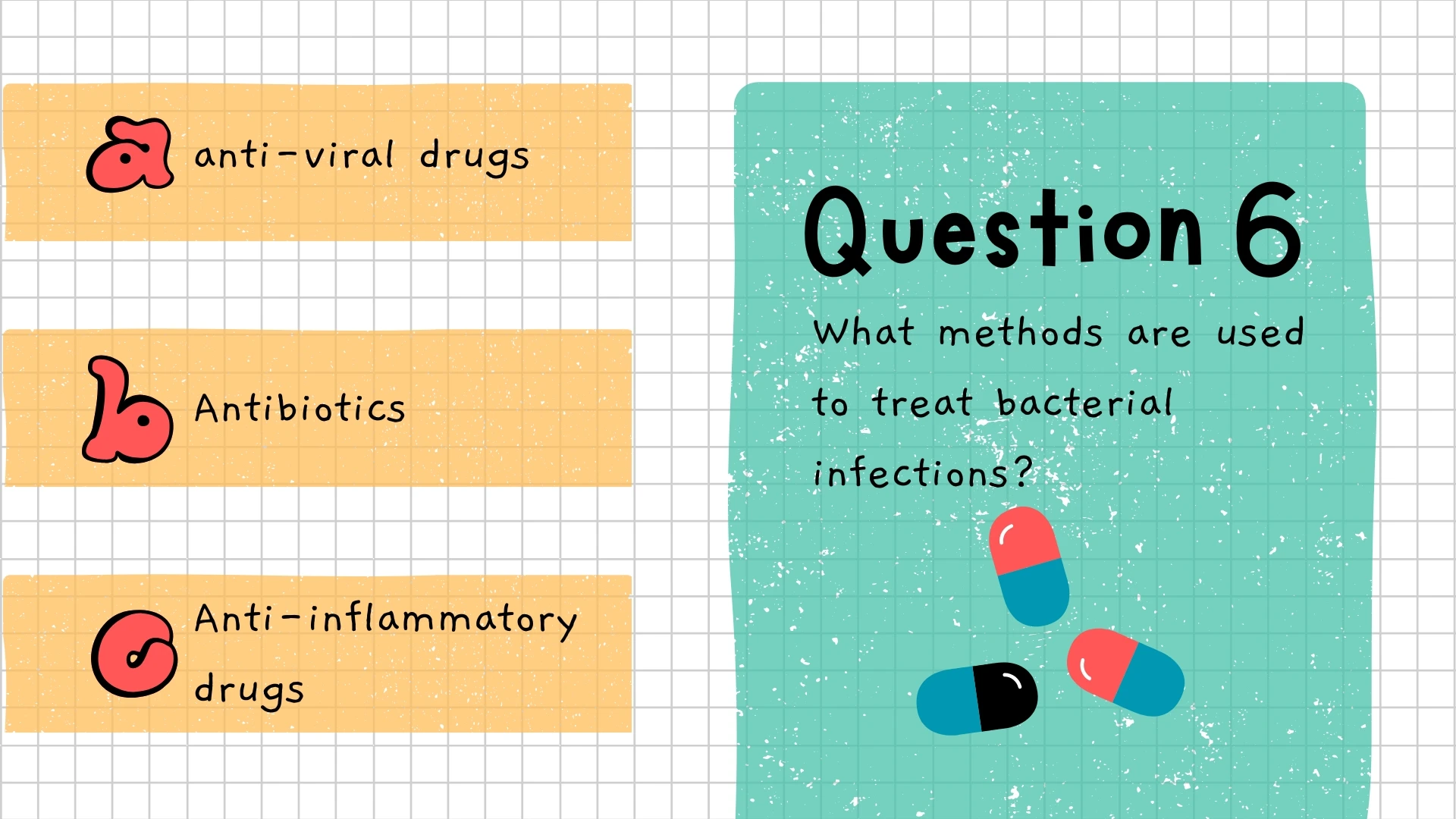
A microbe that causes disease is called a pathogen. Only a small fraction of microorganisms are pathogens, but they include the bacteria behind food poisoning and tuberculosis, the viruses behind flu and measles, the fungi behind athlete's foot, and the protist behind malaria. Microbes also spoil food — mould on bread, souring milk — and bacteria in dental plaque turn sugar into acid that dissolves tooth enamel. Because antibiotics work by attacking the structures of bacterial cells, they have no effect on viruses, which is why a doctor will not prescribe them for a cold. The pathogens lesson linked on this site covers how disease spreads and how the body fights back.
Controlling microbial growth
Because microbes need warmth, moisture and food, every method of preserving food removes one of the three. Refrigeration slows bacterial growth and freezing almost stops it; drying, salting and adding sugar take away the water they need; pickling in vinegar makes conditions too acidic; and cooking, canning and pasteurisation (briefly heating milk or juice) kill most of the microbes present. In a laboratory, bacteria are grown on agar jelly in Petri dishes, and equipment is sterilised by heating so that only the intended microbe grows.
Key terms
- Microorganism
- A living thing too small to see without a microscope; usually a single cell.
- Prokaryote
- A cell with no nucleus, such as a bacterium; its DNA lies loose in the cytoplasm.
- Eukaryote
- A cell with a nucleus and membrane-bound organelles; fungi and protists are eukaryotes.
- Binary fission
- The way bacteria reproduce: one cell divides into two identical cells.
- Fermentation
- Respiration without oxygen; in yeast it turns sugar into ethanol and carbon dioxide.
- Decomposer
- A microorganism that breaks down dead material and returns nutrients to the environment.
- Pathogen
- A microorganism that causes disease.
- Antibiotic
- A medicine that kills bacteria or stops them growing; it does not work on viruses.